10 Cu Ft Lawn Mower Dump Cart With Wheels: Buyer's Guide
A 10 cubic foot dump cart turns a riding mower into a serious yard work tool. Learn how capacity, wheels, hitch design, and dump mechanism work together so you choose the right cart for your property.
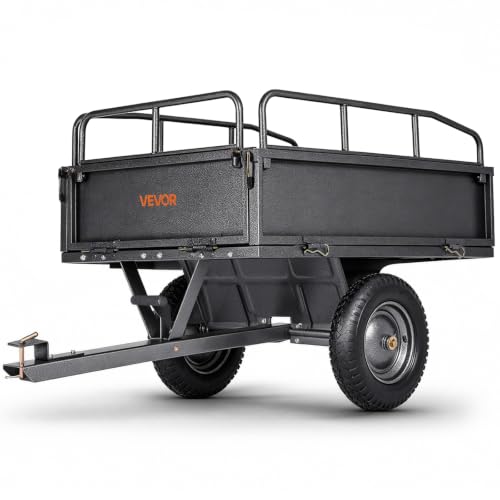
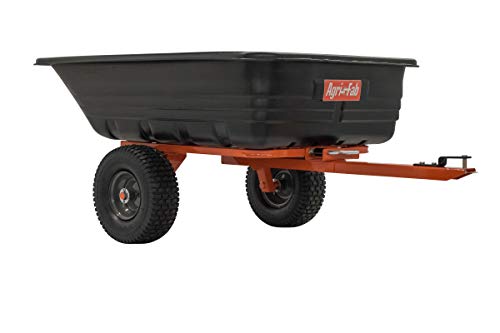
A 10 cubic foot dump cart is one of those yard tools that quietly transforms how much work you can accomplish. Attached to a riding mower, garden tractor, or ATV, it turns a slow wheelbarrow routine into a fast, efficient hauling system. From moving mulch and soil to clearing leaves and firewood, the right cart makes light work of tasks that would otherwise take all day.
But not every 10 cu ft cart is built the same. Wheel type, hitch design, dump mechanism, and rated load capacity all affect how useful the cart is in real conditions. This guide walks through each factor, compares the different tiers, and explains how to match the cart to your mower, terrain, and yard tasks. By the end, you will know exactly what to look for.
Quick Summary: A 10 cu ft dump cart is a tow-behind yard trailer for riding mowers, tractors, and ATVs. Look for a strong axle, wide pneumatic tires, a reliable dump mechanism, and a rated load capacity that matches your mower and terrain. Mid-tier carts usually balance durability and ease of use best for most yards.
What a 10 Cu Ft Dump Cart Actually Does
Ten cubic feet is a useful middle ground between small utility carts and full-size yard trailers. It is large enough to move serious loads of soil, mulch, and debris, but small enough to maneuver around garden beds and tight corners when towed behind a riding mower.
Load Volume
10 cubic feet handles a full load of mulch, leaves, firewood, or soil in a single trip — a major upgrade over a wheelbarrow.
EfficientTow-Behind Design
Attaches to the rear hitch of a riding mower, garden tractor, or ATV. Compatible hitches and pin sizes matter.
Hitch-readyDump Mechanism
Tilts to empty loads without shoveling. Manual pivot, foot pedal, or lever release are the common designs.
Labor-savingWheel Design
Wide pneumatic tires roll smoothly over lawns and gravel. Flat-free tires are lower maintenance but ride rougher.
Terrain-readyKey Factors to Compare Before Buying
Two carts with the same 10 cubic foot volume can behave very differently in real use. Focus on the factors that determine how well the cart handles weight, terrain, and frequent dumping.
- Load rating: Volume is not the same as weight capacity. Wet soil, mulch, and gravel are heavy. Check the rated load weight, not just the cubic feet.
- Frame and bed material: Reinforced steel and thick poly beds handle rough loads better. Look for solid welds and a rust-resistant finish.
- Wheel type: Pneumatic tires roll smoothly over lawns and gravel. Flat-free tires require less care but ride harder on uneven ground.
- Axle strength: A sturdy axle prevents bending under heavy loads, especially over time.
- Dump mechanism: Manual pivot beds work well for most users, while foot-pedal release systems speed up frequent dumping.
- Hitch compatibility: Check the hitch pin size and shape so the cart fits your mower or ATV without adapters.
- Ground clearance: Higher clearance handles uneven lawns and gravel better, while lower clearance improves stability on flat ground.
Understanding Dump Cart Tiers
Dump carts fall into three broad tiers. The tier you choose affects durability, comfort, and how often you will find yourself replacing parts.
| Tier | Typical Build | Best For |
|---|---|---|
| Entry-level tier | Stamped steel or poly bed, lighter axle, smaller tires, basic pivot dump | Light yard work, occasional use, small properties |
| Mid-range tier | Reinforced steel frame, wide pneumatic tires, foot-pedal or lever dump, sturdier axle | Regular yard work, mixed terrain, mid-size properties |
| Premium tier | Heavy-duty welded steel bed, sealed bearings, oversized tires, high load rating | Large properties, heavy or frequent loads, demanding terrain |
The step from entry-level to mid-range usually brings the biggest improvement in ride quality, dumping ease, and durability. Premium-tier carts shine when you are hauling heavy loads regularly or working across uneven terrain.
Matching the Cart to Your Mower and Yard
Even a great cart will struggle if it is not matched to your equipment and terrain. A few simple checks prevent frustration and safety issues.
- Check the mower's towing capacity: A riding mower can typically handle a loaded cart in the moderate range, but steep slopes reduce the safe limit. Refer to your mower manual.
- Confirm hitch compatibility: Hitch pin sizes vary. Measure your mower's hitch before ordering and confirm the cart's clevis fits.
- Consider your terrain: Pneumatic tires with a wider profile roll smoothly on soft lawns. Flat-free tires last longer on gravel but ride rougher.
- Plan your dumping spot: Make sure you can pivot or tilt the cart at the compost pile, garden bed, or debris staging area without backing into obstacles.
- Account for storage: A 10 cu ft cart takes up real space. Measure your garage or shed before choosing a size and foldable option.
- Think about slopes: Loaded carts on slopes are unstable. Choose a cart with good ground clearance and brakes (or plan to use low gear and avoid steep hills).
Common Uses for a 10 Cu Ft Dump Cart
Once you own a dump cart, uses multiply. Common tasks include:
- Mulch and soil delivery: Move large amounts of mulch to garden beds or fresh soil to new planting areas.
- Leaf and yard debris hauling: Collect leaves, branches, and grass clippings quickly.
- Firewood transport: Move split firewood from the woodpile to the house or patio.
- Compost and topsoil: Shift compost from bin to bed in a single trip. See the composting overview for tips on managing compost piles.
- Landscape materials: Move gravel, pavers, or stone for small landscaping projects.
- Tool and equipment transport: Carry heavy tools, pots, and equipment around large properties.
Maintaining Your Dump Cart
A dump cart will last for years with basic care. The most important tasks are protecting the tires, the frame, and the pivot mechanism.
- Inspect tires regularly: Check pneumatic tires for pressure and wear. Replace cracked tires before they fail under a load.
- Rinse the bed after messy loads: Soil and mulch left in the bed trap moisture. A quick rinse prevents rust and mold.
- Grease the pivot and axle: A small amount of grease on hinges and the axle keeps dumping smooth and reduces wear.
- Store out of the weather: Carts stored outdoors last far longer when covered.
- Do not exceed the rated load: Overloading bends axles and damages the bed. Stay within the manufacturer's rating.
Practical tip: If your property has slopes or soft ground, avoid loading the cart to its maximum volume. Lighter, more frequent trips are safer and reduce strain on both the cart and your mower's transmission.
Common Mistakes When Buying a Dump Cart
These mistakes are easy to make and expensive to fix. Avoiding them saves time, money, and frustration.
- Buying based on cubic feet only: Weight capacity matters just as much, especially for soil, gravel, and wet mulch.
- Ignoring hitch compatibility: A cart that does not fit your mower's hitch cannot be used safely.
- Skipping tire quality: Small, hard tires on rough ground make hauling miserable and shorten the cart's life.
- Overloading on slopes: A loaded cart on a slope is a tipping hazard. Choose safer routes and lighter loads.
- Not accounting for storage: A cart that does not fit in the shed quickly becomes an outdoor liability.
- Skipping the dump mechanism test: Pivoting beds that stick or bind defeat the whole purpose of a dump cart.
Frequently Asked Questions
Ready to Choose Your Dump Cart?
Browse our curated selection of 10 cu ft lawn mower dump carts, accessories, and yard maintenance tools to make hauling easier on your property.
View Recommended Products