Dandelion Control: Proven Ways to Remove & Prevent Dandelions
Tired of dandelions taking over your lawn? Discover effective, research-backed methods to eliminate dandelions for good — from manual removal and organic treatments to long-term lawn care strategies that keep them from coming back.
EXPLORE CONTROL METHODSWhy Dandelions Are So Persistent: Dandelions (Taraxacum officinale) are among the most resilient broadleaf weeds in the world. Their deep taproots can extend up to 18 inches into the soil, and even a small fragment left behind can regenerate into a new plant. A single dandelion head can produce over 200 seeds, which can travel miles on the wind and remain viable in soil for years. Understanding this biology is the first step toward effective dandelion control — and the good news is that with the right combination of methods, you can win the battle.
Understanding Dandelions Before You Attack
Dandelions thrive in compacted, low-calcium soil and are often a sign of underlying lawn health issues. Before reaching for a weed killer, it helps to understand what you are dealing with. Dandelions have a deep, fleshy taproot that stores energy, allowing the plant to survive drought, mowing, and even many chemical treatments. The key to lasting control is either removing the entire taproot or exhausting the plant's energy reserves through repeated cutting. Healthy, thick turf is your best natural defense — a dense lawn leaves little room for dandelion seeds to establish. If your lawn has thin or bare patches, consider overseeding to improve turf density as a long-term preventive measure.
Effective Dandelion Control Methods
1. Manual Removal (Hand-Pulling & Digging)
The most straightforward and chemical-free approach. Manual removal works best on small infestations or when dandelions first appear. The critical factor is removing the entire taproot — if it breaks off, the plant will regrow. Use a dedicated weeding tool or a garden kneeler to make the job more comfortable.
- Best timing: Remove dandelions after rain when soil is moist and roots loosen more easily.
- Technique: Insert a dandelion digger or trowel alongside the taproot, lever it upward, and pull gently at the base of the plant.
- Repeat: Check the area weekly for regrowth from root fragments and remove immediately.
- Pro tip: For taproots that keep breaking, use a narrow-bladed weeding knife to cut the root 2–3 inches below the soil surface.
2. Organic & Natural Treatments
For gardeners who prefer to avoid synthetic herbicides, several organic options can be effective. These work best on young dandelions and as part of a broader lawn care regimen. For a broader approach to natural weed management, see our guide on home remedies to get rid of weeds in the yard.
- Boiling water: Pour directly onto the crown of the dandelion — effective for small patches but also kills surrounding grass.
- Horticultural vinegar (20% acetic acid): Spray on a sunny day; it burns the top growth but may not kill the taproot. Repeat applications weaken the plant.
- Corn gluten meal: A pre-emergent that prevents dandelion seeds from germinating. Apply in early spring and fall for best results.
- Flame weeding: A propane torch briefly passed over the crown kills small dandelions without damaging turf roots.
3. Selective Herbicides (Broadleaf Weed Killers)
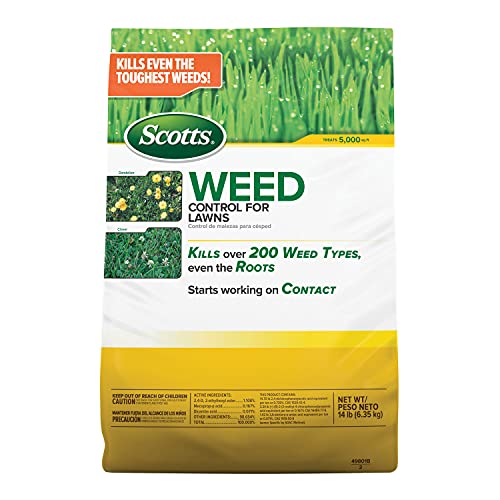
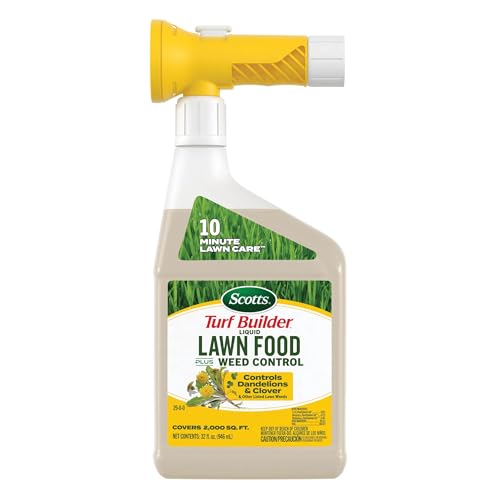
When manual and organic methods are not enough, selective post-emergent herbicides designed for broadleaf weeds can be highly effective. These products target dandelions while leaving grass unharmed when applied correctly. Always follow label instructions and local regulations. For related weed problems, our crabgrass control guide and thistle removal guide cover similar selective treatment approaches.
- 2,4-D and dicamba blends: Common broadleaf herbicides available in granular or liquid form. Apply when dandelions are actively growing in spring or fall.
- Granular "weed and feed" products: Convenient but less precise — avoid using near trees and shrubs with exposed roots.
- Spot spraying: The most targeted approach; use a pump sprayer to treat individual dandelions rather than broadcasting over the entire lawn.
- Timing matters: Fall applications are often most effective because dandelions are storing energy in their roots and will pull the herbicide down with it.
4. Long-Term Prevention Through Lawn Health
The most sustainable dandelion control is a thick, healthy lawn that outcompetes weeds for sunlight, water, and nutrients. This approach requires patience but delivers lasting results. Start by addressing soil compaction through lawn aeration and dethatching, then follow a consistent mowing and fertilizing schedule.
- Mow high: Set your mower blade to 3–4 inches — taller grass shades dandelion seedlings and strengthens turf roots. A reliable grass mower with adjustable height settings makes this easier.
- Fertilize correctly: Apply nitrogen-rich fertilizer in early fall and late spring to thicken turf. Over-fertilizing in summer can stress grass.
- Water deeply and infrequently: Encourage deep root growth by watering once or twice a week rather than daily light sprinkling.
- Overseed bare spots: Fill thin areas with grass seed to eliminate dandelion germination sites. See our guide on overseeding tips for step-by-step instructions.
- Test and amend soil: Dandelions prefer compacted, low-calcium soil. A soil test can reveal imbalances; adding lime or organic matter improves turf vigor.
Dandelion Control Methods at a Glance
| Method | Best For | Effort Level | Speed of Results | Long-Term Effectiveness |
|---|---|---|---|---|
| Hand-Pulling / Digging | Small infestations, garden beds | Moderate | Immediate | Good if taproot removed |
| Organic Treatments (vinegar, corn gluten) | Eco-conscious gardeners, light infestations | Low to Moderate | Slow | Moderate with repeat use |
| Selective Herbicides | Large lawns, heavy infestations | Low | Fast (1–2 weeks) | High with proper timing |
| Lawn Health & Prevention | All lawns, long-term management | Ongoing | Slow | Highest — prevents recurrence |
Pro Tips for Lasting Dandelion Control
- Attack before they seed: Remove or treat dandelions as soon as you see flowers — ideally before they turn into the familiar white seed heads. Each plant you stop from seeding prevents hundreds of future dandelions.
- Combine methods: The most effective strategy is a layered approach — manual removal for visible plants, pre-emergent in early spring, and consistent lawn care to prevent re-establishment.
- Don't just chop the top: Mowing alone will not kill dandelions. It may actually spread seeds if you mow after flowers have gone to seed. Bag your clippings when dandelions are seeding.
- Fall is prime time: Dandelions are actively storing energy in their roots in autumn, making them more vulnerable to herbicide and easier to dig out. Fall is also the best time to overseed and fertilize for a thicker spring lawn.
- Keep a weeding routine: A few minutes of spot-checking each week is far easier than tackling a full-blown infestation later. Keep a quality weeding tool handy for quick removal.
- Manage neighboring seed sources: If dandelions keep appearing from adjacent properties or wild areas, focus on building a dense lawn border and consider a physical barrier in garden beds.
Frequently Asked Questions About Dandelion Control
What is the fastest way to kill dandelions?
Selective broadleaf herbicides applied as a spot treatment offer the fastest visible results, typically showing wilting within 3–7 days and complete death in 1–2 weeks. However, for a chemical-free option, boiling water poured directly on the crown kills small dandelions almost instantly — though it also kills surrounding grass.
Do dandelions come back after pulling?
Yes, if any portion of the taproot remains in the soil. Dandelion taproots can regenerate from as little as 1–2 inches of root fragment. To prevent regrowth, you must remove the entire taproot — or use a method that exhausts the root's energy reserves, such as repeated cutting over several weeks.
Is vinegar effective for killing dandelions?
Household vinegar (5% acetic acid) is largely ineffective on established dandelions because it only burns the top growth. Horticultural vinegar (20% acetic acid) is more effective but still may not kill the taproot. For best results, apply horticultural vinegar on a hot, sunny day and repeat the application when regrowth appears.
When is the best time to apply weed killer for dandelions?
Early fall is widely considered the best time to apply selective herbicides for dandelions. In fall, dandelions are actively transporting nutrients (and any applied herbicide) down into their taproots to prepare for winter, making them more vulnerable. Spring applications also work but may be less thorough.
Will dandelions come back every year?
Without intervention, yes. Dandelions are perennials that regrow from the same taproot year after year, and their seeds can remain viable in the soil for up to 5 years or more. A combination of removing existing plants, preventing seed production, and maintaining a dense, healthy lawn is the only way to break the cycle.
Can I just mow over dandelions?
Mowing alone will not control dandelions — the plants will simply regrow from their taproot. Worse, mowing after dandelions have gone to seed can spread seeds across your lawn. If you must mow, do it before flowers appear or bag your clippings when seed heads are present.
Ready to Reclaim Your Lawn from Dandelions?
Combine the right tools with a consistent strategy and you can eliminate dandelions and keep them from coming back. Start with a proven approach, stay persistent, and watch your lawn transform.
EXPLORE MORE LAWN CARE GUIDES