
Butterfly Plants: Create a Garden That Flutters with Life
Discover the best butterfly plants to attract butterflies, support caterpillars, and turn your outdoor space into a vibrant pollinator haven. From nectar-rich flowers to essential host plants, here is everything you need to know.
Explore Top Butterfly PlantsWhy Butterfly Plants Matter: Butterflies are more than beautiful visitors — they are vital pollinators and indicators of a healthy ecosystem. By planting the right combination of nectar plants for adult butterflies and host plants for caterpillars, you can support local biodiversity while enjoying a garden that blooms with color and movement season after season.
Understanding Butterfly Gardens
A successful butterfly garden is built on two pillars: nectar plants that feed adult butterflies and host plants that provide food for caterpillars. Many gardeners focus only on flowers and wonder why butterflies visit briefly but never stay. The secret is providing both — a complete habitat where butterflies can feed, mate, lay eggs, and complete their life cycle.
Butterflies are sun-loving creatures. They need open areas with at least six hours of direct sunlight, shelter from strong winds, and a shallow water source. A butterfly garden does not need to be large — even a container on a balcony can attract these delicate pollinators if you choose the right plants. For those with limited space, consider container plants that attract butterflies and hummingbirds to make the most of every square foot.
Native plants are the gold standard for butterfly gardens. Local butterflies have evolved alongside native plants, meaning they recognize them as food sources. Introduced ornamentals may look attractive to us, but native species consistently outperform them in attracting and sustaining butterfly populations. When planning your garden, prioritize species native to your region.
The Two Types of Butterfly Plants You Need
Before choosing specific plants, it helps to understand the two functional categories every butterfly garden requires.
Nectar Plants: Fuel for Adult Butterflies
Nectar plants provide the sugary fuel adult butterflies need to fly, mate, and lay eggs. Butterflies are particularly drawn to flowers that offer a flat landing pad and a large cluster of tiny blooms. Color matters too — butterflies see ultraviolet light and are especially attracted to purple, pink, red, orange, and yellow flowers. Plant nectar flowers in large groupings rather than single specimens; butterflies are more likely to notice a bold mass of color from a distance.
Host Plants: Nursery for Caterpillars
Host plants are where adult butterflies lay their eggs, and they are the only food source for the resulting caterpillars. Without host plants, your garden is just a restaurant — not a home. Many host plants are surprisingly specific: monarch caterpillars feed exclusively on milkweed, while black swallowtails prefer dill, fennel, and parsley. If you want regular butterfly residents rather than fleeting visitors, host plants are non-negotiable.
Top Butterfly Plants for Your Garden
The plants below are widely recognized for their ability to attract and support butterflies. Each entry notes whether it serves primarily as a nectar source, a host plant, or both — and where relevant, the planting tier that best describes its role in a butterfly garden.
Milkweed
The undisputed champion of butterfly gardening. Milkweed is the sole host plant for monarch caterpillars and a generous nectar source for many species. Its distinctive pink or orange flower clusters are unmistakable in late summer.
Coneflower (Echinacea)
A sturdy perennial with a prominent central cone that butterflies love to perch on while feeding. Coneflowers bloom from midsummer into fall and tolerate drought once established.
Black-Eyed Susan
Cheerful yellow daisies with dark centers that bloom prolifically from summer to frost. Black-eyed Susan is one of the most reliable butterfly attractors for sunny borders and wildflower areas.
Butterfly Bush (Buddleja)
The name says it all. Butterfly bush produces long, fragrant spikes of purple, pink, or white flowers that draw butterflies from far and wide. Choose sterile varieties to avoid unwanted spread.
Lantana
Heat-loving and drought-tolerant, lantana offers dense clusters of tiny flowers in a range of colors. It is an outstanding nectar source, especially in warmer climates and container gardens.
Parsley, Dill & Fennel
These common culinary herbs double as host plants for black swallowtail caterpillars. Plant extra and expect to share — caterpillars can strip a plant in days.
Passionflower (Passiflora)
A vigorous vine with exotic, intricate blooms. Passionflower is the host plant for gulf fritillary and other longwing butterflies, and its flowers are a nectar draw for many species.
Zinnia
An easy-to-grow annual that blooms continuously from summer to frost. Zinnias are among the most dependable nectar plants for butterflies of all sizes, and they thrive in containers.
Butterfly Plants Comparison at a Glance
Use this table to compare the plants above across key attributes. The tier column reflects how essential each plant is in a typical butterfly garden — from foundational must-haves to specialty additions that add extra value.
| Plant | Primary Role | Bloom Season | Sun Needs | Water Needs | Tier |
|---|---|---|---|---|---|
| Milkweed | Host + Nectar | Summer–Fall | Full sun | Low–Moderate | Essential |
| Coneflower | Nectar | Midsummer–Fall | Full sun | Low–Moderate | Essential |
| Black-Eyed Susan | Nectar | Summer–Frost | Full sun | Low | Essential |
| Butterfly Bush | Nectar | Summer–Fall | Full sun | Moderate | Essential |
| Lantana | Nectar | Spring–Frost | Full sun | Low | Recommended |
| Parsley / Dill / Fennel | Host | Foliage | Full sun–Part shade | Moderate | Essential |
| Passionflower | Host + Nectar | Summer–Fall | Full sun | Moderate | Recommended |
| Zinnia | Nectar | Summer–Frost | Full sun | Moderate | Essential |
How to Design a Butterfly-Friendly Garden
Plant selection is only half the equation. How you arrange plants, manage water, and maintain your garden directly affects how many butterflies you attract. Here are the design principles that separate a garden that merely hosts butterflies from one that keeps them coming back.
- Plant in bold groupings. A single milkweed plant is easy for butterflies to miss. Group at least three to five of the same species so the color and scent carry.
- Provide shallow water. Butterflies cannot drink from deep water. A saucer filled with pebbles and water, or a purpose-built puddling station, gives them a safe place to hydrate. A bird bath with a shallow edge can serve double duty.
- Leave some wildness. A perfectly manicured garden is not a butterfly habitat. Allow some leaf litter, seed heads, and unpruned stems to remain through winter as shelter for pupae.
- Extend the bloom season. Choose plants that flower in succession from spring through fall so nectar is available all season long.
- Avoid pesticides. Insecticides do not distinguish between pests and caterpillars. If you must manage weeds, use targeted methods — see our guides on home remedies to get rid of weeds in the yard and grass and weed killers that won't kill plants.
- Add vertical layers. Tall nectar plants like butterfly bush and passionflower vines provide feeding stations at different heights, accommodating different butterfly species.
Choosing Butterfly Plants for Your Region
Butterfly species and plant hardiness vary dramatically by region. A plant that thrives in a warm southern garden may struggle in a northern climate, and vice versa. Before purchasing, check your U.S.D.A. hardiness zone and confirm that your chosen plants are native or well-adapted to your area.
In cooler climates, focus on hardy perennials like coneflower and black-eyed Susan, plus fast-growing annuals like zinnia to fill the first season. In warmer regions, lantana and passionflower become reliable year-round performers. Regardless of region, always source plants from reputable nurseries that do not use neonicotinoid pesticides, which can harm pollinators for months after application.
If you are also interested in attracting hummingbirds, many butterfly plants overlap with hummingbird favorites. Explore our guide on hanging flowering plants that attract hummingbirds and hanging plants that attract hummingbirds and butterflies for ideas that work in small spaces.
Common Butterfly Garden Mistakes to Avoid
Even well-intentioned gardeners make choices that undermine butterfly habitat. The most frequent mistakes include planting only nectar flowers without host plants, using broad-spectrum insecticides, and clearing away all garden debris at the end of the season. Each of these breaks the butterfly life cycle at a critical point.
Another common error is choosing double-flowered cultivars. Plant breeders have developed double blooms for visual impact, but these flowers often lack accessible nectar and are useless to butterflies. Single-flowered varieties are always the better choice for pollinators. Similarly, exotic plants may look spectacular but native species consistently do more ecological work.
Finally, do not overlook the value of a water source and shelter. A butterfly garden without shade, wind protection, or moisture is incomplete. Even a small garden can incorporate these elements with careful placement.
Frequently Asked Questions About Butterfly Plants
Ready to Build Your Butterfly Garden?
The plants above are a proven starting point. Choose two or three nectar plants and at least one host plant, place them in full sun, and you will see results within a single season. Below are hand-picked tools and supplies to help you plant, protect, and maintain a butterfly-friendly garden.
Recommended Plants, Seeds & Supplies for Butterfly Gardens
⚠️ AFFILIATE DISCLOSURE: This website contains affiliate links. As an Amazon Associate, we earn from qualifying purchases. If you make a purchase through these links, we may receive a small commission at no additional cost to you. Read our full affiliate policy.
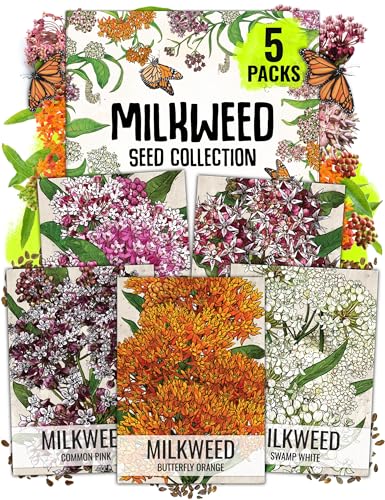
Seed Needs Milkweed Seeds Variety Pack of 5 Perennial Flowers for Monarchs | Asclepias tuberosa (Butterfly Weed) Asclepias incarnata Swamp Milkweed Asclepias speciosa (Showy) Asclepias syriaca (Common)
Check price on Amazon
Perfect Plants Li'l Raspberry Butterfly Bush, 1 Gallon, Live Plant | Butterfly Candy variety with vivid red flower clusters from late spring to frost, zones 5-10, attracts bees and hummingbirds
Check price on Amazon
350+ Mix Butterfly Bush Flower Seeds for Planting - Perennial Flowering Shrub, Attracts Pollinators, Drought Tolerant, Ideal for Borders & Containers
Check price on Amazon
2 Gal. Pugster Ameythst Buddleia Shrub
Check price on Amazon
Burpee Wildflower 25,000 Bulk, 1 Bag 18 Varieties of Non-GMO Flower Seeds for Hummingbirds and Butterflies
Check price on Amazon
American Plant Exchange Live Milkweed Plant, Host for Monarch Butterflies, Plant Pot for Home and Garden Decor, 6" Pot
Check price on Amazon
American Plant Exchange Milkweed Tropical Plants – 6-Inch Pot 3-Pack – Live Tropical Red & Yellow Flowering Butterfly Weed, Monarch Host Plant for Pollinators, Bees & Outdoor Gardens
Check price on Amazon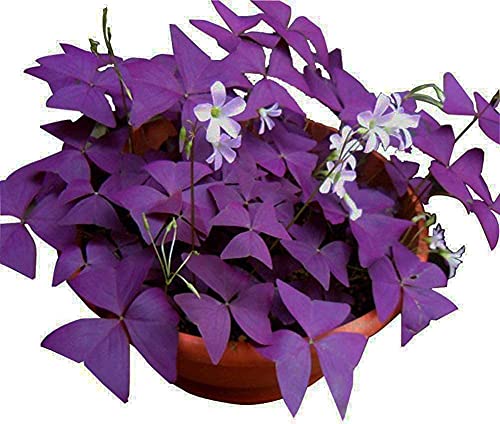
12PCS Purple Shamrocks Bulbs Good Luck Plant Purple Oxalis Bulbs for Planting Grows Indoor or Outdoor Oxalis Triangularis Bulb The Novice
Check price on AmazonDisclaimer
Let Gardening provides educational content only. Not a substitute for professional horticulturist or landscape architect services. Always consult a qualified professional for major landscaping or agricultural work. Some content may use AI. We are not responsible for plant damage, injuries, or outcomes. By using this site, you accept these terms. If you do not agree, please leave this website and discontinue its use. Read full disclaimer.