Lawn Fertilizing Guide: Nourish Your Grass for a Lush Green Lawn
Let gardening transform your lawn! Discover the secrets to effective lawn fertilizing. Learn about N-P-K ratios, fertilizer types, application timing, and techniques to achieve a healthy, vibrant lawn that is the envy of the neighborhood.
EXPLORE LAWN CARE🌿 Why Fertilize Your Lawn? Regular fertilizing provides essential nutrients that grass needs to grow thick, green, and resilient. A well-fertilized lawn crowds out weeds, resists pests and diseases, and stays beautiful through all seasons. Let gardening be your guide to a healthier lawn.
Understanding Lawn Fertilizer: N-P-K and More
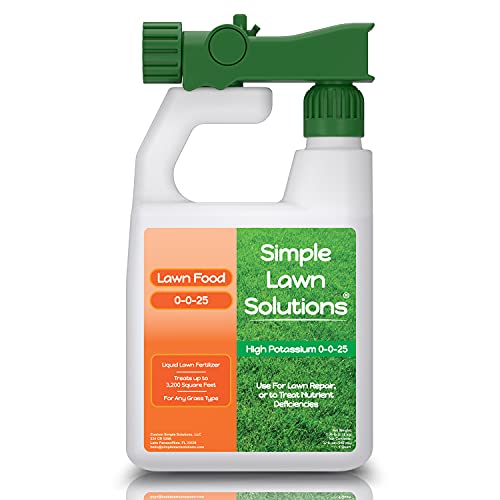
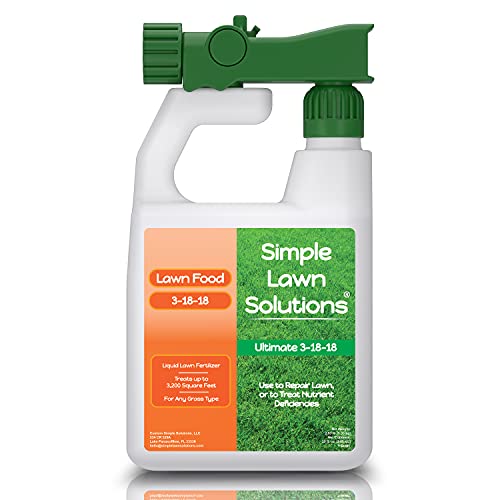
Choosing the right fertilizer is crucial for lawn fertilizing success. Fertilizers are labeled with three numbers representing the percentage of Nitrogen (N), Phosphorus (P), and Potassium (K). These macronutrients each play a vital role in lawn health.
🌱 Nitrogen (N)
Promotes lush, green growth and blade density. Essential for a vibrant lawn.
🌿 Phosphorus (P)
Supports strong root development and seedling growth. Crucial for new lawns.
💪 Potassium (K)
Enhances stress tolerance, disease resistance, and overall hardiness.
⚖️ Balanced Fertilizer
A balanced N-P-K ratio like 10-10-10 is suitable for general maintenance of established lawns.
For specific grass types, you may need different ratios. For example, Bermuda grass thrives with a high-nitrogen fertilizer, while Fescue grass benefits from a more balanced approach during its active growing seasons.
Types of Lawn Fertilizers: Synthetic vs. Organic
Lawn fertilizers come in two main categories: synthetic (chemical) and organic (natural). Understanding the differences helps you make an informed choice for your lawn and the environment.
- Synthetic Fertilizers: Fast-acting and provide precise nutrient ratios. They are water-soluble and give quick results, but can burn the lawn if over-applied. Ideal for quick greening and correction of nutrient deficiencies.
- Organic Fertilizers: Slow-release, derived from natural sources like compost, manure, or bone meal. They improve soil health, build organic matter, and are environmentally friendly. They take longer to show results but provide long-term benefits. Explore organic weed control for a holistic approach.
- Slow-Release Fertilizers: Available in both synthetic and organic forms. They release nutrients gradually over weeks or months, reducing the risk of burn and providing consistent feeding.
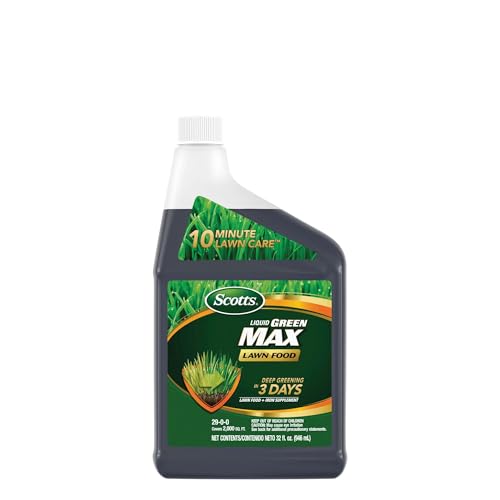
- Liquid Fertilizers: Applied with a sprayer, they are absorbed quickly by the grass. Great for foliar feeding and quick fixes. Often used in conjunction with sprinkler systems for efficient application.
When and How to Apply Fertilizer
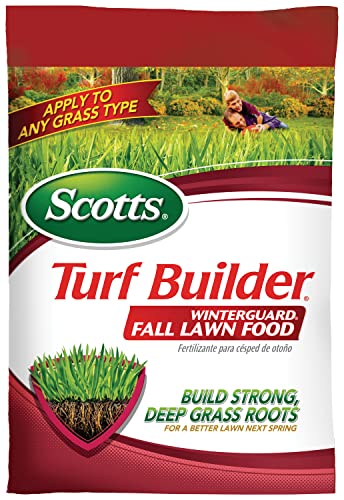
Timing is everything when it comes to lawn fertilizing. Apply fertilizer when the grass is actively growing. For cool-season grasses, this is spring and fall; for warm-season grasses, it's late spring through summer.
A typical fertilizing schedule involves 2-4 applications per year. Start with a spring application to kickstart growth, followed by summer and fall feedings. A winterizer application in late fall helps the lawn survive the cold months. Always water deeply after applying granular fertilizer to activate it and prevent burn.
Before fertilizing, consider testing your soil to determine its pH and nutrient levels. This ensures you provide exactly what your lawn needs. Also, proper mowing tips and lawn aeration work hand-in-hand with fertilizing for a healthy lawn.
💧 Pro Tip: Water your lawn a day or two before applying granular fertilizer. The slightly moist soil helps the granules settle and begin releasing nutrients more effectively.
Common Lawn Fertilizing Mistakes to Avoid
Even experienced gardeners can make errors. Avoid these common pitfalls to get the best results from your lawn fertilizing efforts.
- Over-Fertilizing: Too much fertilizer can burn the grass and lead to excessive thatch buildup. Always follow the recommended application rates.
- Applying at the Wrong Time: Fertilizing during dormancy or extreme heat can stress the lawn. Stick to the recommended seasonal schedule.
- Ignoring Soil pH: Soil that is too acidic or alkaline locks up nutrients, making them unavailable to the grass. Regular soil testing is key.
- Using the Wrong Fertilizer: Different grass types and seasons require different N-P-K ratios. Match the fertilizer to your lawn's needs.
- Not Watering In: After applying granular fertilizer, water deeply to move the nutrients into the soil where the roots can access them.
Achieve a Beautiful Lawn with the Right Fertilizing Plan
A strategic lawn fertilizing plan is the cornerstone of a lush, healthy lawn. By understanding your grass type, soil conditions, and choosing the right products, you can transform your lawn into a green oasis. Remember, consistency and correct application are just as important as the fertilizer itself.
Explore our recommended lawn care supplies below to get started on your journey to a greener lawn. Let gardening be your trusted partner for all your outdoor needs!