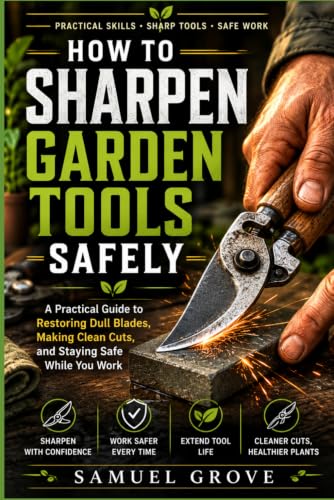
Clean & Sharpen Garden Tools: The Ultimate Care Guide
Extend the life of your pruners, shears, shovels, and more. Learn the right techniques to clean, sharpen, and maintain your garden tools for peak performance season after season.
JUMP TO STEP-BY-STEP GUIDEWhy clean and sharpen your garden tools? Dull, dirty tools make gardening harder, damage plants, and increase the risk of disease. Regular maintenance saves you money, reduces effort, and makes every cut clean and precise. Whether you're a beginner or a seasoned gardener, learning to clean and sharpen tools is one of the most valuable skills you can develop.
In this guide, we cover everything from basic cleaning to advanced sharpening techniques for pruning shears, hedge trimmers, shovels, and more. Let's get your tools in top shape.
Step-by-Step Tool Maintenance
1 Clean
Remove dirt, sap, and rust. Use a stiff brush, soapy water, and a scouring pad. For stubborn sap, use rubbing alcohol or a citrus-based cleaner.
- Disassemble if possible (e.g., pruners).
- Soak metal parts in soapy water for 5-10 minutes.
- Dry thoroughly to prevent rust.
2 Inspect
Check for nicks, chips, or bent edges. Identify areas that need sharpening or replacement. Inspect handles for cracks or splinters.
- Look for dull or rolled edges on blades.
- Check pivot points for looseness.
- Replace worn parts if needed.
3 Sharpen
Use the right tool: a sharpening stone, diamond file, or specialized sharpener. Follow the blade's original bevel angle (usually 20-30°).
- For pruners, use a fine-grit stone.
- For shovels, use a mill file.
- For hedge trimmers, use a flat file.
4 Lubricate & Protect
Apply a light coat of oil (like WD-40 or camellia oil) to metal parts. This prevents rust and keeps moving parts smooth.
- Wipe excess oil to avoid attracting dirt.
- Treat wooden handles with linseed oil.
- Store tools in a dry place.
Benefits of Regular Tool Maintenance
- Cleaner cuts reduce plant stress and disease.
- Less effort required – sharp tools work faster.
- Longer tool life – save money on replacements.
- Safer gardening – reduces slips and accidents.
- Better results – healthier plants, better harvests.
Tool-Specific Sharpening Tips
Different tools require different approaches. Here’s how to handle the most common garden tools:
Pruners & Loppers
Use a diamond file or sharpening stone. Follow the existing bevel – usually 20-25°. Only sharpen the beveled side, then remove burrs on the flat side.
Learn more about pruning shears →Hedge Trimmers
Use a flat file or sharpening stone. Sharpen each cutting blade individually, maintaining the original angle (around 30°). Wipe clean after each use.
Hedge trimmer maintenance →Shovels & Spades
Clean off dirt and rust. Use a mill file to sharpen the leading edge. File from the top side toward the edge, following the original bevel.
Explore garden tools →Lawn Mower Blades
Remove the blade, clean it, and use a bench grinder or file. Balance the blade before reinstalling. Sharp blades mean a healthier lawn.
Lawn care tips →Frequently Asked Questions
How often should I sharpen my garden tools?
For most home gardeners, sharpening once or twice per season is sufficient. If you use tools heavily, sharpen monthly. A good rule: if you need extra force to cut, it's time to sharpen.
Can I use a Dremel to sharpen tools?
Yes, with a suitable grinding stone. However, be careful not to overheat the blade (which can ruin the temper). Hand sharpening is safer for beginners.
What's the best way to remove rust?
Soak in white vinegar for a few hours, then scrub with a wire brush. Alternatively, use a rust remover product. After removing rust, immediately dry and oil the tool.
You Might Also Like
Ready to Upgrade Your Tools?
Now that you know how to clean and sharpen, make sure you have the best tools for the job. Explore our top recommendations below — each one is tested and trusted by gardening experts.
SHOP RECOMMENDED TOOLS