Drought Tolerant Plants: Create a Stunning Water-Wise Garden
Discover beautiful, resilient plants that thrive with minimal water. Expert guidance on drought-resistant perennials, ground covers, shrubs, and smart landscaping techniques for a sustainable garden that looks incredible year-round.
Why Drought Tolerant Plants Matter: As water conservation becomes increasingly important, smart gardeners are turning to drought tolerant plants that deliver stunning beauty without demanding constant irrigation. Whether you're dealing with sandy soil, hot summers, watering restrictions, or simply want a lower-maintenance landscape, drought resistant plants offer an elegant solution. This comprehensive guide covers everything from selecting the right species for your climate to proven planting and care techniques that help these resilient plants establish and thrive.
Understanding Drought Tolerant Plants
Drought tolerant plants are species that have evolved natural mechanisms to survive extended periods with minimal water. These adaptations include deep taproots that reach underground moisture, waxy or fuzzy leaves that reduce evaporation, and the ability to go dormant during dry spells. Unlike moisture-loving plants that wilt quickly under stress, drought resistant varieties maintain their structure and often continue to bloom through challenging conditions.
It's important to understand the distinction between drought tolerant and drought resistant plants. Drought tolerant plants can survive with less water but may show visible stress during prolonged dry periods. Drought resistant plants go further—they continue to thrive and perform reliably even in severe drought. For gardeners in arid climates or areas with water restrictions, prioritizing drought resistant varieties ensures the best long-term results. Many excellent choices appear in our guide to drought tolerant perennials that bloom all summer.
The key to success with these plants is proper establishment. Even the most drought resistant species need regular watering during their first growing season while they develop deep root systems. After that establishment period, most drought tolerant plants can survive on natural rainfall alone, requiring supplemental water only during extreme heat waves or extended dry spells.
How Drought Tolerant Plants Save Water and Time
A well-designed drought tolerant garden can reduce outdoor water consumption significantly compared to traditional landscapes. Beyond water savings, these plants typically require less maintenance—no constant deadheading, minimal fertilizing, and fewer pest problems. Many drought resistant plants are also native or adapted species that support local pollinators and wildlife, making them an environmentally responsible choice. Pairing them with efficient systems like drip irrigation can further optimize water use during the establishment phase.
Best Drought Tolerant Perennials for Stunning Color
Perennials form the backbone of most drought tolerant gardens, returning year after year with reliable performance. These plants offer flowers, texture, and structure while requiring minimal irrigation once established. Here are top performers organized by their primary garden role.
Flowering Perennials That Thrive in Dry Conditions
Lavender
Fragrant purple spikes bloom through summer. Excellent for borders, herb gardens, and containers. Prefers lean, well-draining soil and actually performs better with less water and fertilizer.
Coneflower (Echinacea)
Bold daisy-like blooms in purple, pink, white, and orange. A pollinator favorite that tolerates heat and poor soil. Leave seed heads standing for winter bird interest.
Black-Eyed Susan
Cheerful golden-yellow flowers with dark centers bloom prolifically from summer into fall. Extremely adaptable and one of the easiest drought tolerant perennials to grow.
Russian Sage
Airy silver-gray foliage topped with lavender-blue flower spikes. Adds vertical interest and a soft, hazy texture to borders. Thrives in reflected heat and poor soil.
Sedum (Stonecrop)
Succulent foliage in green, blue, or burgundy tones with clusters of star-shaped flowers. Available in low ground cover forms and taller upright varieties. Nearly indestructible.
Yarrow
Flat-topped flower clusters in yellow, pink, red, and white. Ferny foliage is aromatic. Tolerates poor soil, heat, and drought while attracting beneficial insects.
For even more options that bloom continuously through the hottest months, explore our detailed list of drought tolerant perennials that bloom all summer. These selections ensure your garden stays colorful even when water is scarce.
Drought Tolerant Ground Covers for Weed Suppression and Erosion Control
Ground covers are invaluable for covering bare soil, suppressing weeds, and reducing evaporation from the soil surface. Drought tolerant ground covers are especially useful on slopes, in parking strips, and other areas where watering is difficult or impractical.
Creeping Thyme
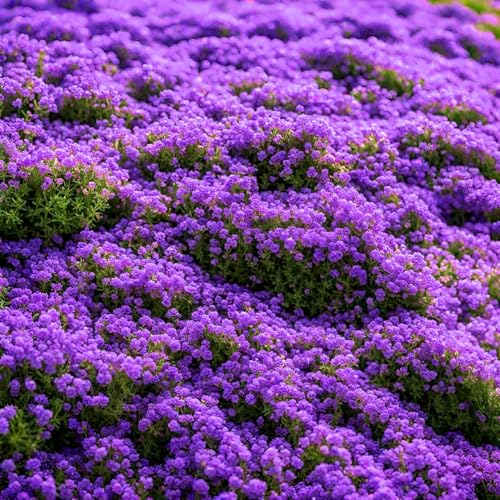
Low-growing aromatic herb that forms a dense mat. Tiny pink or purple flowers in early summer. Tolerates light foot traffic and thrives between stepping stones.
Ice Plant
Succulent, fleshy leaves in shades of green and red. Brilliant daisy-like flowers in spring. Excellent for slopes and coastal gardens. Extremely drought tolerant.
Creeping Juniper
Evergreen conifer that spreads horizontally to form a dense carpet. Available in many cultivars with blue-green or golden foliage. Excellent for erosion control.
Lamb's Ears
Soft, fuzzy silver-gray leaves that invite touching. Spikes of purple flowers in summer. Rapid spreader that tolerates poor, dry soil.
For a more comprehensive list of low-growing options, including those that perform well in challenging exposures, see our guide to full sun drought tolerant ground cover plants.
Drought Tolerant Shrubs and Trees for Structure and Shade
Shrubs and trees provide the structural framework of a drought tolerant landscape. Once established, these woody plants develop extensive root systems that make them remarkably self-sufficient. Many also offer additional benefits like shade, privacy, and wildlife habitat.
Top Drought Resistant Shrubs
Evergreen and deciduous shrubs that tolerate dry conditions include rosemary (in milder climates), oleander (in warm zones), glossy abelia, and various junipers. For gardeners in regions with heavy clay or poor drainage, choosing the right species is critical—our article on evergreen trees for clay soil with poor drainage provides specialized guidance. Many drought tolerant shrubs also work well in foundation plantings, as discussed in our foundation planting guide.
When selecting drought resistant trees, consider native species that are naturally adapted to your region's rainfall patterns. Trees like crape myrtle, hawthorn, and certain oak species offer beauty and shade without demanding constant irrigation. Japanese maples like the Bloodgood Japanese maple add elegant color but require some afternoon shade in hot climates. For smaller gardens or patios, bonsai trees and container-grown specimens allow you to enjoy woody plants with controlled watering.
Design Principles for a Water-Wise Landscape
Creating a successful drought tolerant garden goes beyond plant selection. Thoughtful design amplifies the beauty and resilience of your landscape while minimizing water use. Here are key principles to follow.
- Group plants by water needs: Hydrozoning—placing plants with similar water requirements together—ensures efficient irrigation and prevents overwatering of drought tolerant species.
- Improve soil drainage: Most drought tolerant plants require well-draining soil. Amend heavy clay with coarse sand, gravel, or organic matter to prevent root rot during rainy periods.
- Use mulch strategically: A 2–3 inch layer of gravel, bark, or compost retains soil moisture and suppresses weeds. Avoid moisture-retaining mulches like fresh grass clippings around drought adapted plants.
- Reduce lawn areas: Replace thirsty turfgrass with drought tolerant ground covers, ornamental grasses, or hardscaping. This dramatically reduces water consumption.
- Incorporate hardscaping: Patios, paths, and decorative rocks add visual interest and eliminate the need to irrigate those areas.
- Choose native and adapted species: Plants native to your region are naturally suited to local rainfall patterns and require less supplemental water.
For front yard transformations that reduce water use while boosting curb appeal, browse these front yard landscaping ideas with rocks and plants and cheap simple front yard landscaping ideas. Both approaches emphasize drought tolerant materials and smart design.
Planting and Establishment Care for Drought Tolerant Plants
Even the toughest drought tolerant plants need proper care during their first year to develop the deep, extensive root systems that make them self-sufficient. Follow these guidelines to give your plants the best start.
Timing Your Planting
Plant in early spring or fall when temperatures are moderate and natural rainfall is more likely. This gives plants time to establish roots before the stress of summer heat. In hot climates, fall planting is often preferred because roots continue growing through winter while top growth is dormant.
Proper Planting Technique
Dig a hole twice as wide as the root ball but no deeper. This encourages lateral root spread. For plants that require excellent drainage—like lavender, agave, and many succulents—plant on a slight mound to prevent water pooling around the crown. Water thoroughly after planting and apply a thin layer of appropriate mulch, keeping it a few inches away from the stem.
Watering During Establishment
Water new drought tolerant plants deeply once per week during their first growing season. Deep watering encourages roots to grow downward in search of moisture. After the first year, gradually reduce supplemental irrigation. By the second or third year, most established drought resistant plants require water only during extended dry spells. Using a drip irrigation system makes it easy to deliver water efficiently and consistently during the establishment phase.
Drought Tolerant Plant Comparison: Choosing the Right Plants for Your Needs
The following table summarizes key characteristics of major drought tolerant plant categories to help you plan your garden. Consider your specific climate, soil type, and design goals when making selections.
| Plant Category | Water Needs (Established) | Sun Requirements | Best Uses | Maintenance Level |
|---|---|---|---|---|
| Succulents (Sedum, Agave, Yucca) | Very low | Full sun to partial shade | Containers, rock gardens, borders | Low |
| Flowering Perennials (Lavender, Coneflower, Yarrow) | Low | Full sun | Cutting gardens, pollinator gardens, borders | Low to moderate |
| Ornamental Grasses | Low | Full sun to partial shade | Mass plantings, erosion control, year-round interest | Low |
| Ground Covers (Thyme, Ice Plant, Juniper) | Very low to low | Full sun to partial shade | Slopes, weed suppression, between pavers | Low |
| Shrubs (Rosemary, Abelia, Juniper) | Low | Full sun to partial shade | Hedges, foundation plantings, privacy screens | Low to moderate |
| Trees (Crape Myrtle, Oak, Japanese Maple) | Low (once established) | Full sun to partial shade | Shade, specimen planting, privacy | Low to moderate |
Common Mistakes to Avoid with Drought Tolerant Plants
- Overwatering: The most common mistake is treating drought tolerant plants like moisture-lovers. Excessive water causes root rot and can kill drought-adapted species. Let soil dry between waterings.
- Poor drainage: Even drought tolerant plants need well-draining soil. Planting in heavy clay without amendment leads to waterlogged roots and plant decline.
- Too much fertilizer: Rich soil and heavy feeding encourage weak, floppy growth that is more susceptible to pests and drought stress. Most drought tolerant plants perform best in lean soil.
- Planting at the wrong depth: Burying the crown of drought tolerant plants, especially succulents and lavender, invites rot. Plant at the same depth as the nursery container or slightly higher.
- Skipping establishment watering: While drought tolerant plants are tough once established, they need regular watering during their first year to develop deep roots.
- Choosing the wrong plant for your climate: A plant that is drought tolerant in the Mediterranean may struggle in humid, rainy climates. Always select species suited to your local conditions.
By avoiding these pitfalls and following proper planting and care guidelines, you'll create a resilient, beautiful garden that thrives with minimal water. For more detailed guidance on specific plant categories, explore our comprehensive library of gardening guides.
Ready to Transform Your Garden with Drought Tolerant Plants?
Start with our essential guides covering everything from plant selection to irrigation efficiency. Build a landscape that's beautiful, sustainable, and easy to maintain.
Explore Blooming Perennials →