Raised Bed Soil: The Complete Guide to the Perfect Mix
Everything you need to know about choosing, building, and maintaining the ideal soil for productive raised garden beds.
Raised beds offer gardeners unmatched control over soil quality, drainage, and plant health. But the single most important decision you will make is what goes inside them. Raised bed soil is not simply dirt from your backyard — it is a carefully considered growing medium that determines how well your plants root, feed, and thrive.
Whether you are building your first raised bed or rejuvenating an existing one, this guide will walk you through the science and practice of creating the ideal soil blend. You will learn which components matter, how to mix them, and how to keep your soil productive season after season. If you are still planning your beds, our guide on raised bed plans can help you choose the right dimensions and layout before you fill them.
Why Raised Bed Soil Is Different From Garden Soil
Garden soil is the native earth in your yard. It may be clay-heavy, sandy, rocky, or depleted of nutrients. Raised bed soil, by contrast, is a engineered blend designed to provide optimal structure, fertility, and drainage within a confined space.
The key differences come down to three factors:
- Drainage: Raised beds drain more freely than in-ground plots. The soil mix must retain enough moisture without becoming waterlogged.
- Volume: A raised bed is a finite container. The soil must supply all the nutrients your plants need, with no access to deeper earth.
- Texture: The mix must be loose enough for roots to penetrate easily but dense enough to anchor plants and hold moisture.
Getting this balance right is the foundation of a productive garden. For a deeper dive into soil science and component terminology, see our soil guides section.
The Ideal Raised Bed Soil Recipe
Experienced gardeners and extension services generally agree on a simple, reliable formula. The exact proportions can vary slightly depending on your climate and what you plan to grow, but the core principles remain consistent.
The Classic Raised Bed Soil Mix
- 60% topsoil — Provides the bulk, structure, and mineral content.
- 30% compost — Supplies organic matter, nutrients, and beneficial microbes.
- 10% potting soil or perlite — Improves drainage, aeration, and moisture retention.
Some gardeners prefer a 50-30-20 split or a 50-50 blend of topsoil and compost. The best approach is to start with the 60-30-10 ratio and adjust based on how your soil performs. If your bed drains too slowly, increase the perlite or potting soil component. If it dries out too quickly, add more compost.
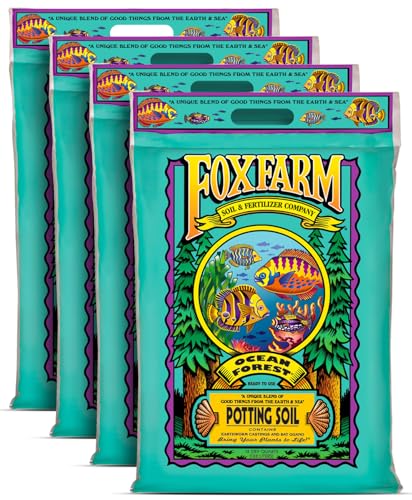
For those who prefer a ready-made solution, high-quality commercial raised bed mixes are available. Our curated product recommendations below include options across different quality tiers, from budget-friendly blends to premium organic formulations.
Understanding Each Component
Topsoil
Topsoil is the uppermost layer of soil, rich in organic matter and microorganisms. In a raised bed mix, it provides the structural base. Look for screened topsoil that is free of rocks, roots, and debris. Avoid topsoil that is heavy in clay or sand — you want a loamy texture that crumbles easily in your hand.
If you are unsure about the quality of your native topsoil, a soil tester can help you assess pH, nutrient levels, and composition before you commit it to your beds.
Compost
Compost is the engine of your raised bed soil. It introduces beneficial bacteria and fungi, improves water retention, and slowly releases nutrients as it breaks down. Use well-aged, fully decomposed compost — not fresh manure, which can burn roots and introduce pathogens.
Good compost sources include homemade compost, mushroom compost, leaf mold, and vermicompost. You can also explore potting soil and potting mix options that include compost blends for container and raised bed use.
Potting Soil and Perlite
Potting soil lightens the mix and improves aeration. Perlite — those white, popcorn-like granules — is a volcanic glass that creates air pockets in the soil, preventing compaction and improving drainage. In wet climates, perlite is especially valuable. In arid climates, you may reduce perlite and rely more on compost for moisture retention.
For a premium commercial option, look for raised bed soils that include premium organic garden mix as a base ingredient.
Choosing the Right Soil Depth
The depth of soil in your raised bed directly affects what you can grow. Here are general guidelines:
| Soil Depth | Best For | Notes |
|---|---|---|
| 6–8 inches | Lettuce, herbs, shallow-rooted greens | Entry-level depth; works well for salad gardens |
| 10–12 inches | Tomatoes, peppers, most vegetables | Mid-range depth; the standard for most raised beds |
| 12–18 inches | Carrots, potatoes, deep-rooted crops | Premium depth; allows full root development |
| 18+ inches | Large shrubs, small trees, deep-rooted perennials | Luxury depth; ideal for permanent plantings |
If you are building a bed specifically for vegetables, see our guide on a raised garden bed for vegetables for design considerations that pair well with proper soil depth.
How Much Soil Do You Need?
Raised bed soil is typically sold by volume in cubic feet or cubic yards. To calculate how much you need, use this formula:
Length (ft) × Width (ft) × Depth (ft) = Cubic feet of soil needed
For example, a 4 ft × 8 ft bed that is 1 ft deep requires 32 cubic feet of soil. Most bagged soils are sold in 1, 1.5, or 2 cubic foot bags, so you would need 16 bags of 2 cubic feet each. For larger projects, buying in bulk by the cubic yard (27 cubic feet) is often more efficient.
Commercial Raised Bed Soil: What to Look For
If you prefer the convenience of a pre-mixed product, here is what to check on the label:
- Ingredient list: Look for a blend of topsoil, compost, and perlite or peat moss. Avoid products that list "forest products" or "organic matter" without specifying what they are.
- pH range: Most vegetables prefer a pH between 6.0 and 7.0. Some mixes are pH-adjusted; others are not.
- Nutrient content: A good mix will list an N-P-K ratio. Even a light nutrient charge is helpful for young plants.
- Texture: Squeeze a handful. It should hold together loosely and crumble when poked. If it forms a tight ball, it is too heavy in clay. If it falls apart immediately, it is too sandy.
Our product section below features raised bed soils across different quality tiers, from affordable entry-level blends to premium organic mixes. Each is evaluated for composition, texture, and suitability for vegetable and flower gardens.
Amending and Maintaining Raised Bed Soil
Raised bed soil is not a one-time investment. It needs regular replenishment to stay productive. Here is a seasonal maintenance routine:
At Planting Time
Mix in a 2–3 inch layer of compost before each growing season. This replaces organic matter lost to decomposition and provides a slow-release nutrient boost. If your soil test indicates a deficiency, add organic fertilizers or mineral amendments as needed.
During the Growing Season
Top-dress with compost or mulch to retain moisture and suppress weeds. Mulch also moderates soil temperature, which is especially important in raised beds that heat up faster than in-ground soil.
At Season's End
Remove spent plants and add a fresh layer of compost or aged manure to the bed. Consider planting a cover crop like clover or winter rye to prevent erosion and add nitrogen. For weed control between seasons, an organic weed killer can help manage unwanted growth without harming soil biology.
Common Raised Bed Soil Mistakes to Avoid
- Using pure native soil: It compacts, drains poorly, and lacks the organic matter needed for intensive planting.
- Filling with 100% compost: It shrinks, can become hydrophobic, and may be too rich for young plants.
- Ignoring drainage: Raised beds need a mix that drains freely. If water pools on the surface after rain, add perlite or coarse sand.
- Skipping soil testing: A simple pH and nutrient test can save you seasons of guesswork. A soil tester is a worthwhile investment for any serious gardener.
- Forgetting to replenish: Soil fertility declines over time. Annual compost additions are essential.
Frequently Asked Questions
Can I use potting soil in a raised bed?
Potting soil can be used as a component, but it is not ideal as the sole medium. It is designed for containers and may dry out too quickly or lack the mineral content that raised bed plants need. Use it as 10–20% of the mix to improve texture and drainage.
Should I line the bottom of my raised bed?
If your bed sits on soil, no liner is necessary — roots can grow into the native soil below. If you are placing a bed on concrete or a patio, line the bottom with a permeable weed barrier or hardware cloth to prevent soil loss while allowing drainage.
How often should I replace raised bed soil?
You do not need to replace the soil entirely. Instead, replenish it annually with compost and organic matter. Every 3–5 years, consider a more thorough refresh by removing the top few inches and mixing in fresh topsoil and compost.
What is the best soil for organic raised beds?
Look for mixes labeled OMRI-listed or certified organic. These blends use compost and amendments that meet organic standards, free from synthetic fertilizers and pesticides. Our product recommendations below include organic options across multiple quality tiers.
Building a raised bed is an investment in your garden's future. By choosing the right soil mix, maintaining it properly, and learning from each season, you will create a growing environment that rewards you with healthier plants and better harvests year after year. Let gardening inspire you to build something that lasts.