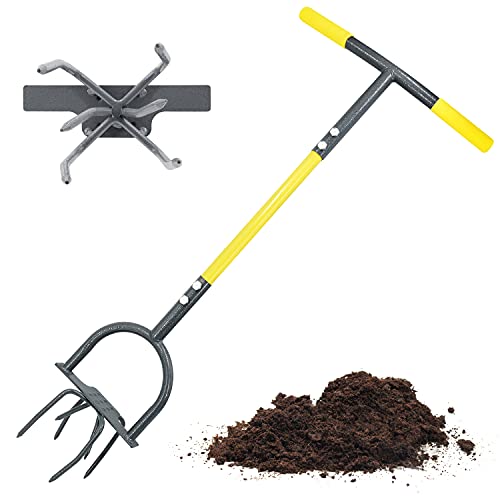
Tillers & Cultivators: The Ultimate Guide to Soil Preparation
From breaking new ground to maintaining your beds, choose the right equipment for every garden size and budget. Understand the differences, features, and best practices.
Let Gardening help you choose: Whether you're preparing a new vegetable patch, aerating your lawn, or maintaining flower beds, understanding the difference between a tiller and a cultivator is the first step. This guide covers everything you need to know to make an informed decision.
Tiller vs Cultivator: What's the Difference?
Many gardeners use the terms interchangeably, but they are different tools designed for different jobs. Choosing the right one saves time, effort, and prevents soil damage.
| Feature | Tiller | Cultivator |
|---|---|---|
| Primary Use | Breaking new ground, deep soil prep | Mixing soil, weeding, aeration |
| Tilling Depth | Up to 8–10 inches | 2–5 inches |
| Width | 16–24+ inches | 8–16 inches |
| Weight | Heavy (80–200+ lbs) | Light (20–60 lbs) |
| Best For | New gardens, compacted soil | Existing beds, maintenance |
| Price Range | $400–$2,500 | $200–$800 |
Rule of thumb: If you need to break new ground or incorporate large amounts of organic matter, choose a tiller. If you're maintaining an existing garden or weeding between rows, a cultivator is your tool.
Types of Tillers & Cultivators
Understanding the different types helps you select the right equipment for your garden size and soil condition.
Front-Tine Tiller
Wheels and tines are in front. Great for small to medium gardens. Easy to maneuver but can be harder to control in hard soil.
$400–$900Rear-Tine Tiller
Wheels in front, tines in back. More powerful, easier to control, and better for deep tilling. Ideal for large gardens and tough soil.
$800–$2,500Mini-Tiller / Cultivator
Lightweight, electric or gas. Perfect for small raised beds, container gardens, and light weeding. Easy to store and handle.
$200–$600Battery-Powered Cultivator
Quiet, eco-friendly, and low maintenance. Good for small to medium gardens. No gas, no fumes, and instant start.
$300–$700Tine Types: Which One is Best?
The tines are the working part of your tiller. Different shapes are designed for different soil types and tasks.
- Bolo Tines: General-purpose. Good for average soil and mixing in amendments.
- Pick Tines: Aggressive. Best for breaking hard, compacted soil.
- Chisel Tines: Deep penetration. Great for digging deep and breaking up clay.
- Spring Tines: Gentle. Used for light cultivation and weeding without disturbing deep roots.
- Sweep Tines: Wide. Excellent for shallow cultivation and weed control between rows.
Pro Tip: For most home gardens, bolo or pick tines offer the best versatility. If you have heavy clay soil, choose a rear-tine tiller with chisel tines for maximum power.
When to Till: Timing Matters
Tilling at the right time preserves soil structure and prevents long-term damage.
- Spring: Till when the soil is crumbly and moist (not wet). Squeeze a handful—it should hold shape but break apart easily.
- Fall: Tilling in fall allows organic matter to decompose over winter, improving soil for spring planting.
- After Heavy Rain: Wait until the soil dries out. Tilling wet soil creates hard clods that take months to break down.
- Before Planting New Beds: Till once to break ground, then use a cultivator for ongoing maintenance.
Best Practices for Tilling & Cultivating
Follow these tips to get the most from your equipment and protect your soil health.
- Add organic matter before tilling to enrich your soil.
- Don't over-till—it destroys soil structure and beneficial organisms.
- Till in two passes for deep prep: first shallow, then deep.
- Let tilled soil settle for a week before planting.
- Clean your tiller after each use to prevent rust and disease spread.
- Wear protective gear—gloves, boots, and safety glasses.
Tiller vs Cultivator Comparison
This comparison helps you decide which tool is right for your specific garden needs.
| Factor | Tiller | Cultivator |
|---|---|---|
| Garden Size | Large (over 200 sq ft) | Small to medium (under 200 sq ft) |
| Soil Type | Heavy clay, compacted, new ground | Loamy, existing beds |
| Frequency of Use | Seasonal (1–3 times/year) | Weekly or bi-weekly |
| Storage Space | Large footprint | Compact, easy to hang |
| Physical Effort | More effort, especially front-tine | Lightweight, easier handling |
| Cost of Ownership | Higher initial cost, more maintenance | Lower cost, minimal upkeep |
Gas vs Battery: Which Power Source is Right for You?
Both have advantages. Here's what to consider before buying.
⚡ Battery-Powered
Pros: Quiet, instant start, no fumes, low maintenance, eco-friendly.
Cons: Limited runtime, needs charging, less powerful for heavy soil.
Best for: Small to medium gardens⛽ Gas-Powered
Pros: Powerful, unlimited runtime, great for large areas and tough soil.
Cons: Noise, fumes, regular maintenance (oil, filters, spark plugs).
Best for: Large gardens and heavy-duty workRecommendation: For most home gardeners, a gas-powered rear-tine tiller is the best investment if you have a large garden. For smaller spaces and regular maintenance, a battery-powered cultivator is a smart, convenient choice.
Essential Maintenance for Longevity
Proper care extends the life of your equipment and ensures consistent performance.
- Clean after each use – remove dirt and debris to prevent rust.
- Check oil levels (gas models) – change oil every 25–50 hours.
- Sharpen or replace tines when they become dull or bent.
- Inspect belts and cables for wear and adjust tension as needed.
- Store in a dry place – protect from moisture and extreme temperatures.
- Charge batteries fully before storage and keep them at room temperature.
Explore More Gardening Resources
Expand your gardening knowledge with these related guides:
- → Garden Tools Overview
- → Best Garden Hoses
- → Compost Bin Guide
- → Soil Testers
- → Wheelbarrows & Carts
- → More Gardening Tips
If you're ready to start your garden, check out our Gardening for Beginners guide for step-by-step instructions. For those looking to design their outdoor space, explore our Landscaping section for creative ideas.