Expert Pruning Tips: The Complete Guide to Healthier, More Productive Plants
Pruning is more than just cutting branches. It's a fundamental gardening skill that improves plant health, encourages flowering and fruiting, and shapes your landscape. Master the right cuts at the right time with our comprehensive guide.
LEARN ESSENTIAL TECHNIQUESMany gardeners approach pruning with hesitation, fearing they might cause irreversible damage. The truth is, knowing a few key pruning tips can transform this task from a daunting chore into a rewarding practice. Whether you're maintaining ornamental trees, boosting the yield of your vegetable garden, or shaping beautiful flowering shrubs, correct pruning is the secret to a thriving landscape.
This guide will walk you through everything from understanding why we prune to selecting the right tools and mastering the perfect cut. You'll learn how proper pruning can complement other essential care routines like watering your plants correctly and applying the right plant fertilizers to achieve outstanding results.
Key Pruning Insight: The goal of pruning isn't to control size, but to enhance the plant's natural form and vitality. Always prune with a purpose—remove dead, damaged, or diseased wood first, then address structural issues, and finally shape for aesthetics or productivity.
Why Pruning is Essential for Your Garden's Health
Pruning is a critical component of proactive plant care. It directs a plant's energy, allowing it to focus resources on producing strong roots, lush foliage, and abundant blooms. Without it, plants can become overgrown, less productive, and more susceptible to pests and diseases.
Improves Plant Health
Removing dead, dying, or diseased branches prevents the spread of decay and infection. It also increases air circulation and light penetration, which are vital for photosynthesis and reducing fungal problems. This is a cornerstone of effective natural pest control.
Encourages Growth & Blooms
Strategic cuts stimulate new growth where you want it. Pruning can encourage more prolific flowering in plants like roses and hydrangeas, and lead to larger, higher-quality fruits on trees like fruit trees.
Maintains Shape & Safety
Regular pruning keeps plants within their designated space, preventing them from encroaching on walkways or structures. It's especially important for foundation plantings and privacy landscaping, and removes hazardous branches that could fall.
Choosing the Right Pruning Tools for the Job
A successful pruning session starts with high-quality, sharp tools. Using the wrong tool can damage plant tissue, creating entry points for disease. Investing in the right equipment is an investment in your garden's long-term health.
Bypass Pruning Shears
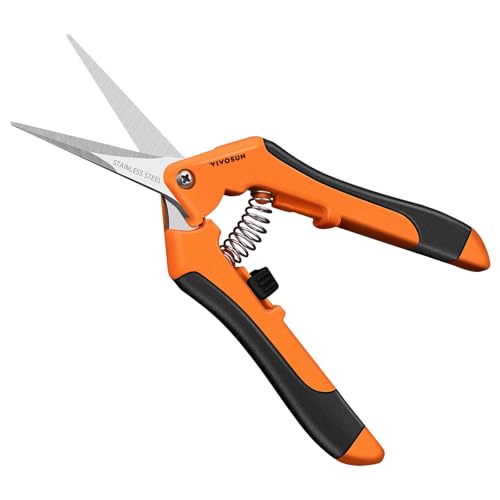
The essential hand tool for most gardeners. Ideal for cutting live stems and branches up to ¾ inch thick. The scissor-like action makes a clean cut without crushing. A must-have for tending to culinary herbs and deadheading annual flowers. A quality pair typically costs $25–$65.
Loppers
Used for branches ¾ inch to 1½ inches in diameter, loppers provide the leverage needed for tougher cuts. Their long handles are excellent for reaching into evergreen shrubs and managing ornamental trees. You can find a sturdy pair for around $35–$80.
Pruning Saw
For branches thicker than 1½ inches, a pruning saw with a curved blade and triple-ground teeth is irreplaceable. It cuts on the pull stroke, offering great control. Essential for major work on trees like the Japanese maple. Prices range from $20 for a basic saw to $50+ for professional models.
Hedge Shears
Designed for shaping formal hedges and cutting soft, non-woody growth. They are not intended for individual branch cuts. Use them to sculpt boxwood or maintain a clean edge on your front yard landscaping features. Quality shears start at around $30.
The 3-Step Master Guide to Perfect Pruning
For any branch you intend to remove, follow this foolproof three-step method. This technique is particularly critical for heavier limbs to prevent bark tearing, which can severely damage a tree.
The Undercut
Make a small cut on the underside of the branch, about a foot from the trunk. Cut upward, only going about a third of the way through the branch. This prevents the bark from stripping down the trunk when the branch falls.
The Top Cut to Remove the Branch
Move a few inches further out from your first cut and saw down from the top of the branch. The branch will snap off cleanly at the point of the undercut. This leaves a short stub that you'll remove in the final step.
The Final Cut at the Branch Collar
Locate the branch collar—the slightly swollen area where the branch meets the trunk. Make your final cut just outside this collar. This area is rich in growth cells and will heal quickly and effectively, sealing the wound from decay.
When to Prune: Timing is Everything
One of the most common pruning questions is about timing. The answer depends on the plant and your goal. Pruning at the wrong time can inadvertently remove flower buds or expose new growth to frost damage.
- Late Winter/Early Spring (Dormant Season): The best time for most major pruning. It invigorates plants and prepares them for a flush of new growth. Perfect for fruit trees, tomatoes (early pinching), and roses (in many climates).
- After Spring Blooms Fade: Prune spring-flowering shrubs like lilacs and forsythia immediately after they finish blooming. They set next year's flower buds on old wood, so late pruning will sacrifice blooms.
- Summer: A good time for light shaping and removing dead, damaged, or diseased wood. You can also prune fruiting canes of raspberries after harvest.
- Fall: Generally Avoid: Pruning stimulates new growth, which is then vulnerable to early frosts. Stick to removing only hazardous dead wood. This is especially true for perennial flowers and shrubs.
- Vegetable Gardens: Many vegetables benefit from pruning. Pinching out suckers on tomatoes and pruning lower leaves can improve airflow and fruit production. Proper support with squash and cucumbers can be managed with strategic pruning.
Ready to Prune with Confidence?
Stop second-guessing every cut. A well-pruned garden is a healthier, more beautiful space. Browse our handpicked selection of top-rated pruning tools below and experience the difference that quality gear makes. Your plants will thank you.
SHOP PRUNING ESSENTIALS
![Taboo and pruning tips garden tree (1996) ISBN: 406208404X [Japanese Import]](https://m.media-amazon.com/images/I/51rjeENjDaL._SL500_.jpg)

![Tips for pruning tips garden tree (gardening Books adult) (2006) ISBN: 4093052417 [Japanese Import]](https://m.media-amazon.com/images/I/51HMTPYZFAL._SL500_.jpg)