Leaf Blower Guide: Choose, Use & Maintain the Right Blower for Your Yard
Everything you need to know about leaf blowers — comparing gas, electric, and cordless models, understanding airflow and noise, plus expert tips on safety, maintenance, and yard cleanup efficiency.
START YOUR LEAF BLOWER RESEARCHWhy a leaf blower guide matters: A leaf blower is one of the most time-saving tools in any gardener's arsenal, but the wrong model can be heavy, noisy, or underpowered for your property. This guide walks you through every decision — from power source and airflow ratings to nozzle types and maintenance routines — so you can buy with confidence and keep your yard spotless season after season.
What Is a Leaf Blower and What Should It Do for You?
A leaf blower is a powered outdoor tool that moves air at high velocity to clear leaves, grass clippings, and light debris from lawns, driveways, patios, and garden beds. Modern blowers are also used for clearing gutters, drying wet surfaces, and tidying up after mowing. If you are still relying on a rake and broom for large areas, a blower can cut cleanup time dramatically — and pairing it with the right garden tools creates a complete seasonal maintenance kit.
Before you shop, think about your property size, the volume of debris you handle, how often you use the tool, and whether noise or emissions matter to you and your neighbors. These four factors drive almost every buying decision covered in this guide.
Leaf Blower Types: Gas, Electric, and Cordless Compared
The power source is the single biggest decision. Each type suits a different property and user. Here is how the three main categories compare across the factors that matter most.
| Feature | Gas Leaf Blower | Corded Electric | Cordless Battery |
|---|---|---|---|
| Power / Airflow | Highest — premium tier | Moderate — mid-tier | Good to high — varies by tier |
| Weight | Heaviest | Lightest | Light to moderate |
| Range & Mobility | Unlimited | Limited by cord | Unlimited within battery life |
| Noise Level | Highest | Moderate | Lowest |
| Maintenance | High (fuel, oil, spark plug) | Very low | Low (battery care) |
| Best For | Large properties, heavy debris | Small to mid yards, patios | Suburban yards, quiet neighborhoods |
Gas Leaf Blowers
Gas models deliver the strongest airflow and are the go-to choice for large lots, rural properties, and commercial crews. Backpack gas blowers in particular combine high power with comfortable weight distribution. They require fuel mixing, regular spark plug checks, and seasonal servicing, and they are the noisiest option — so check local noise ordinances before buying. If you also maintain a gas-powered mower, you already know the maintenance rhythm these tools demand; our lawn mower types guide explains similar trade-offs for mowers.
Corded Electric Leaf Blowers
Corded electric blowers are lightweight, start instantly, and need almost no maintenance. They are ideal for patios, driveways, and small to mid-sized yards where an extension cord can reach. The trade-off is range — you are tethered to an outlet, and cord management adds friction on larger properties. Entry-level corded models are common, but mid-range units offer better airflow and variable speed control.
Cordless Battery Leaf Blowers
Battery-powered blowers have improved dramatically and now cover everything from entry-level handhelds to high-end backpack units. They offer the freedom of gas with far less noise and no emissions. Runtime and airflow depend on battery platform and tier — premium brushless models rival mid-range gas blowers for typical suburban cleanup. If you already own other battery-powered garden tools from the same platform, sharing batteries is a smart, cost-effective strategy.
Quick rule of thumb: Small yard and hardscape cleanup → corded electric. Suburban yard with mature trees → cordless battery. Large property or heavy seasonal debris → gas, especially backpack style.
Key Specifications Explained: Airflow, Air Speed, and More
Manufacturers list several performance numbers, and understanding them prevents overbuying or underbuying.
- Air volume (CFM): Cubic feet per minute — how much air the blower moves. Higher CFM clears large piles of leaves faster and is the most useful number for yard cleanup.
- Air speed (MPH): How fast the air exits the nozzle. Higher MPH helps dislodge stuck debris from cracks, gutters, and wet surfaces.
- Combined performance: Many reviewers use a CFM × MPH formula to compare blowers; a balanced score usually beats a lopsided one for general yard work.
- Noise level (dB): Lower is better for neighborhoods. Battery blowers are typically the quietest tier.
- Weight: A blower you can hold comfortably for 20–30 minutes beats a more powerful model that tires you out in five.
- Variable speed and cruise control: Mid-range and premium models add trigger modulation and lock-on speeds, which save battery and reduce fatigue.
How to Choose the Right Leaf Blower: A Step-by-Step Approach
- Measure your property and debris load. A quarter-acre suburban lot with a few trees rarely needs a backpack gas blower; a wooded acre does.
- Match the power source to your constraints. Noise-sensitive neighborhoods favor battery; long driveways and rural lots favor gas.
- Check weight and ergonomics. Handheld for light tasks, backpack for long sessions, wheeled for the largest jobs.
- Compare airflow specs, not just brand names. Prioritize CFM for leaves, MPH for stubborn debris.
- Consider the battery platform. If you own other cordless outdoor tools, stay within the same ecosystem.
- Review maintenance and warranty expectations. Gas needs seasonal servicing; electric and battery need almost none.
If your cleanup routine spans mowing, edging, and blowing, building a coordinated tool set pays off — see our lawn mower reviews for how to match a mower to the same workflow, and hedge trimmers for shaping tasks that pair naturally with blowing.
Nozzle Types and Attachments
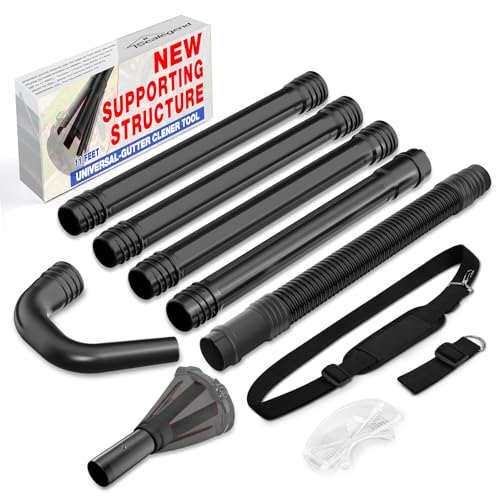
The nozzle shapes how air is delivered. Most blowers ship with a round nozzle for general sweeping, while optional flat or concentrator nozzles boost air speed for gutters and tight corners. Vacuum kits — available on select models — let you switch from blowing to mulching, reducing leaf volume for composting or bagging. Gutter-cleaning kits extend reach and are worth considering for two-story homes with overhanging trees.
Leaf Blower Safety Tips
- Wear eye protection and hearing protection, especially with gas models.
- Never point the nozzle at people, pets, or open windows.
- Avoid blowing debris toward storm drains, roads, or neighboring properties.
- Keep bystanders, especially children, well clear of the work zone.
- Use lower speeds near garden beds to avoid blasting mulch and soil onto lawns.
- For gas models, refuel outdoors and let the engine cool before refilling.
- Check local noise ordinances and restricted hours before operating.
Maintenance Checklist for Long Tool Life
Gas Blowers
- Use fresh fuel and stabilizer; drain the tank before long storage.
- Inspect and replace the spark plug each season.
- Clean or replace the air filter regularly in dusty conditions.
- Check the fuel lines and primer bulb for cracks.
Electric and Battery Blowers
- Clear debris from intake vents after every use.
- Inspect cords for damage on corded units before each use.
- Store batteries at moderate temperatures and avoid full discharge.
- Wipe the housing and check the nozzle for blockages.
Techniques for Efficient Yard Cleanup
Work with the wind and gravity: start at the edges of your property and move debris toward a central collection point rather than chasing individual leaves. Use lower speeds around flower beds and gravel, and higher speeds on driveways and lawns. Blow leaves into windrows before bagging or mulching. For seasonal leaf removal, pair blowing with a rake or tarp for faster collection. On wet days, wait until surfaces dry — dry leaves move far more efficiently, saving both time and battery or fuel.
If your cleanup extends to watering and garden maintenance, keep related tools organized and accessible; our garden hoses and hose nozzles guides help round out a practical tool kit.
Frequently Asked Questions
Is a gas or battery leaf blower better for a suburban yard?
For most suburban yards, a battery blower is the better balance of power, noise, and convenience. Choose gas only if you routinely clear large volumes of heavy, wet debris or have a very large property.
What CFM and MPH do I need for leaf cleanup?
For typical suburban leaf piles, a mid-range blower with solid CFM is more useful than one with high MPH alone. Higher CFM moves volume; higher MPH dislodges stubborn debris. Balance matters more than any single number.
Can a leaf blower be used for drying surfaces or clearing gutters?
Yes. Blowers are commonly used to dry patios and vehicles, and with a gutter-cleaning attachment they safely clear light debris from gutters. Always follow safety guidance and keep both feet on stable ground.
How often should I maintain a gas leaf blower?
Perform basic checks before each use and do a fuller service — spark plug, air filter, fuel lines — at least once per season, plus before and after long storage.
Are leaf blowers allowed in all neighborhoods?
Not always. Many municipalities restrict gas blower hours or ban them outright. Battery models are more broadly accepted. Check your local ordinances before purchasing.
Ready to Pick Your Leaf Blower?
Use the comparison and buying steps above to narrow your options, then browse our recommended leaf blowers below — selected for performance, reliability, and value across every tier.
SEE RECOMMENDED LEAF BLOWERS