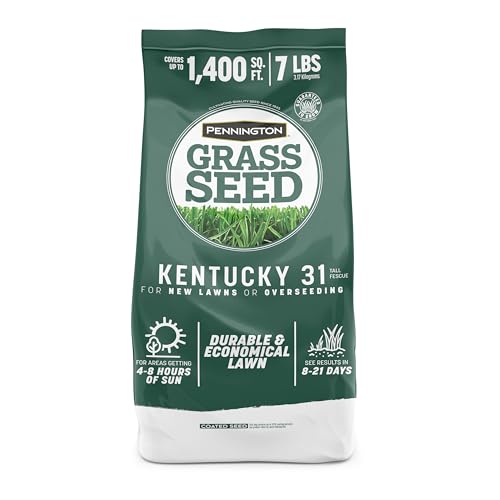
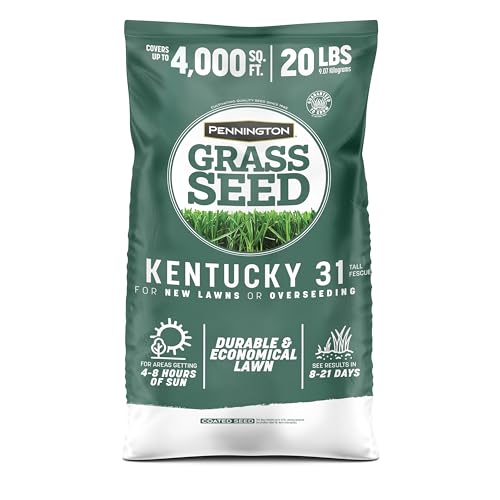
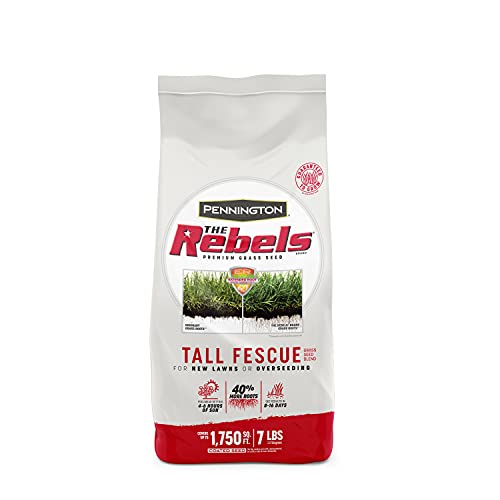
Fescue Grass: The Complete Guide to a Resilient, Beautiful Lawn
Discover everything you need to know about fescue grass—from cool-season varieties to year-round care, planting tips, and troubleshooting. Let gardening be your guide to a lush, low-maintenance lawn that thrives.
Explore Lawn Care GuidesWhy Fescue Grass? Fescue is a cool-season grass known for its deep roots, drought tolerance, and ability to stay green through heat and moderate shade. Whether you're establishing a new lawn or overseeding an existing one, fescue offers versatility and durability. Let gardening help you choose the right variety and master the care techniques for a lawn you'll love.
Understanding Fescue Grass Varieties
Fescue encompasses several species, each with unique characteristics. The two main categories are tall fescue and fine fescue, with fine fescue further divided into creeping red, chewings, hard, and sheep fescue. Choosing the right type depends on your climate, soil, and lawn use.
Tall Fescue
Tall fescue (Festuca arundinacea) is the most common lawn fescue. It features broad, dark green blades and a deep root system (up to 3 feet) that provides excellent drought tolerance. It's well-suited for transitional zones and performs well in both sun and partial shade.
- Best for: High-traffic lawns, sports fields, erosion control.
- Mowing height: 2.5–4 inches.
- Maintenance: Moderate; requires occasional aeration and fertilization.
Fine Fescue
Fine fescue includes several species with finer, softer blades. They are more shade-tolerant than tall fescue and are often used in mixes for shady areas or low-maintenance lawns. They have a lower drought tolerance but excellent cold hardiness.
- Types: Creeping red, Chewings, Hard, and Sheep fescue.
- Best for: Shady lawns, golf course roughs, eco-lawns.
- Mowing height: 1.5–2.5 inches.
Tall Fescue vs. Fine Fescue: Quick Comparison
| Feature | Tall Fescue | Fine Fescue |
|---|---|---|
| Blade Texture | Coarse, broad | Fine, soft |
| Shade Tolerance | Moderate | High |
| Drought Tolerance | High (deep roots) | Moderate |
| Traffic Tolerance | Excellent | Low |
| Ideal Use | Full sun, active lawns | Shady, low-traffic areas |
How to Plant and Establish Fescue Grass
Proper planting is the foundation of a healthy fescue lawn. The best time to plant fescue is in early fall (late August to October) when soil temperatures are warm but air temperatures are cool. Spring planting is also possible but may require more irrigation.
- Soil Preparation: Test your soil pH (ideal 6.0–7.0) and amend with lime or sulfur as needed. Remove debris, and till to a depth of 4–6 inches.
- Seeding Rate: For tall fescue, use 6–8 lbs per 1,000 sq ft for new lawns; for fine fescue, 4–6 lbs per 1,000 sq ft. For overseeding, reduce rate by half.
- Planting Depth: Sow seeds ¼ to ½ inch deep. Rake lightly to cover, and firm the soil with a roller.
- Watering: Keep the top inch of soil consistently moist until germination (7–14 days). Reduce frequency but water deeply as seedlings establish.
For more detailed planting guidance, check our seed starting guide and soil preparation tips.
Fescue Lawn Care: Mowing, Fertilizing, and Watering
Once established, fescue requires consistent care to maintain its vigor and color. Here are the key practices:
Mowing Tips
Keep tall fescue at 3–4 inches to encourage deep roots and shade out weeds. For fine fescue, mow at 2–3 inches. Never remove more than one-third of the blade height at once. Sharp mower blades prevent tearing and disease.
Learn more about mowing best practices →Fertilizing Schedule
Fescue benefits from moderate nitrogen. Apply a slow-release fertilizer in early fall (2–4 lbs nitrogen per 1,000 sq ft) and again in late spring (1–2 lbs). Avoid heavy summer fertilizing to prevent burnout.
Explore lawn fertilizing guides →Watering Wisely
Fescue needs about 1 inch of water per week, including rainfall. Water deeply and infrequently to encourage deep rooting. Early morning watering reduces evaporation and fungal risks.
Check out sprinkler system options →Seasonal Fescue Maintenance Calendar
- Spring (March–May): Rake lightly to remove debris, apply pre-emergent herbicide to prevent crabgrass, and fertilize with a balanced product.
- Summer (June–August): Water during dry spells, mow high (4 inches) to shade roots, and monitor for pests like grubs.
- Fall (September–November): This is the prime season for seeding or overseeding. Aerate compacted soil, apply a high-phosphorus starter fertilizer, and reduce mowing height gradually.
- Winter (December–February): Minimize foot traffic on frozen grass. Fescue stays green in mild winters but may go dormant in colder regions.
For a broader perspective, see our seasonal gardening checklist and winter garden preparation tips (though focused on vegetables, the principles apply to lawns as well).
Troubleshooting Fescue Grass Issues
Even the best lawns encounter challenges. Here are common fescue problems and how to address them:
- Brown Patches: Often caused by fungal diseases in humid weather. Improve air circulation, reduce watering, and apply a fungicide if needed. Fix brown patches →
- Weed Invasion: Weeds like crabgrass and dandelions can compete with fescue. Use pre-emergent herbicides in spring and spot-treat with post-emergent products. Control crabgrass → | Dandelion control →
- Grubs and Pests: White grubs can damage roots. Apply beneficial nematodes or insecticides in late summer. Grub control guide →
- Moss or Algae: Indicates poor drainage or excessive shade. Improve drainage, reduce watering, and consider aeration. Remove moss effectively →
- Bare Spots: Reseed bare areas in early fall or spring. Prep soil, scatter seeds, and keep moist. Repair bare spots →
Tools & Techniques for a Premier Fescue Lawn
To achieve a golf-course-quality fescue lawn, consider these advanced practices:
- Aeration: Core aeration relieves soil compaction and improves oxygen flow. Do this in fall or spring. Learn about aeration →
- Dethatching: Remove the layer of dead organic matter if it exceeds ½ inch. Dethatching guide →
- Overseeding: Introduce new fescue varieties to improve density and disease resistance. Overseeding tips →
- Lawn Mowers: Choose a mower with sharp blades and the right height adjustment. Read lawn mower reviews →
- Irrigation Systems: A programmable sprinkler system ensures consistent watering. Explore sprinkler systems →
For those interested in alternative grass types, explore St. Augustine grass, Bermuda grass, or Zoysia grass to compare with fescue.
Ready to transform your lawn? Fescue grass offers a winning combination of beauty, resilience, and lower maintenance compared to many other grasses. With the right variety selection, proper planting, and consistent care, you can enjoy a vibrant green lawn that enhances your home's curb appeal. Let gardening be your trusted partner in achieving the lawn of your dreams.