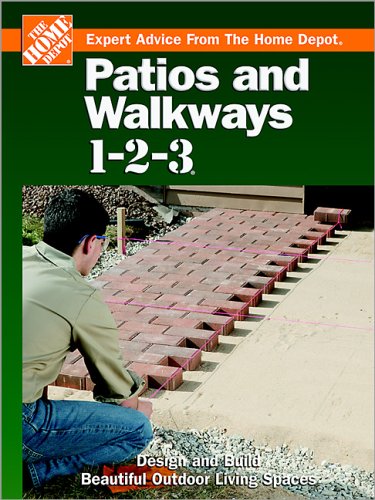
Patio Design: Create an Outdoor Space You'll Love to Use
A well-designed patio extends your living space outdoors and adds real value to your home. This guide walks you through layout planning, material choices, furniture selection, lighting, and shade so you can design a patio that is beautiful, durable, and genuinely practical.
START PLANNING YOUR PATIOWhy patio design matters: A patio is more than a slab of hardscape — it is the anchor of your outdoor living. Thoughtful design balances function (how you move, dine, and relax) with form (materials, proportions, and planting). Whether you are starting from scratch or refreshing an existing space, the decisions below will help you avoid costly mistakes and build a patio you will enjoy for years.
Patio Layout and Planning
Every successful patio starts with a clear plan. Before choosing pavers or furniture, define how the space will be used. A dining patio, a lounging retreat, and a fire pit gathering area each demand different dimensions, traffic patterns, and proximity to the house. Mapping these needs first prevents the common mistake of buying furniture that does not fit or placing a grill where smoke drifts into the seating area.
Size and Proportion
A practical rule is to allow 12 to 15 square feet per person for seated areas, plus extra clearance for walkways. Leave at least 3 feet of open space around furniture so guests can move comfortably. A patio that feels cramped is rarely used, while one that is oversized can feel disconnected — scale the hardscape to the house and the yard. If your home has large sliding doors or a broad rear facade, a wider patio will look proportionate; for a compact cottage, a smaller, more intimate footprint often works better.
Attached vs. Freestanding
An attached patio flows directly from the house and is ideal for dining and entertaining. A freestanding patio creates a destination — a fire pit nook, a morning coffee spot, or a quiet reading corner — and can be positioned to capture the best views and sunlight. Many homeowners combine both: a main attached patio for dining and a smaller secondary patio deeper in the yard. If privacy is a concern, consider screening with privacy landscaping or a pergola.
Traffic Flow and Zones
Sketch the path people will take from the house to the grill, the seating, and the lawn. Avoid placing furniture directly in front of doors, and keep a clear route to any steps or garden paths. Dividing the patio into functional zones — dining, lounging, and cooking — with subtle changes in material, level, or planting makes a large space feel organized and a small space feel intentional.
Patio Planning Checklist
- Define primary uses: dining, lounging, cooking, or a mix.
- Measure door widths, steps, and any grade changes.
- Check sun and shade patterns across the day.
- Identify views to frame and eyesores to screen.
- Confirm local zoning rules for hardscape and setbacks.
- Plan drainage away from the house and patio surface.
Patio Materials and Hardscaping
The surface you choose sets the tone for the entire patio and determines long-term maintenance. Material selection should balance durability, climate, budget tier, and the architectural style of your home. Professional installation matters as much as the material itself — a premium paver laid poorly will underperform an entry-level paver installed correctly.
| Material | Durability | Maintenance | Best For |
|---|---|---|---|
| Natural stone pavers (bluestone, travertine, granite) | High — decades with proper base | Low; occasional sealing | Premium patios, formal landscapes, high-traffic areas |
| Concrete pavers | High | Low; periodic cleaning and re-sanding | Mid-range patios, driveways, versatile design patterns |
| Poured concrete | Moderate; prone to cracking | Low; reseal every few years | Budget-friendly patios, clean modern look |
| Brick | High | Low to moderate | Traditional and cottage-style homes |
| Decking (wood or composite) | Moderate to high | Moderate; wood needs staining | Elevated patios, soft transitional feel |
Proper base preparation is the single most important factor in patio longevity. A compacted gravel base, correct slope for drainage, and quality joint sand will keep pavers stable and weed-free for years. For a deeper look at the installation process, see our guide to paver installation. If you are planning garden beds around the patio, our mulch guide explains how to finish edges cleanly and suppress weeds.
Consider the surrounding landscape when choosing materials. Natural stone pairs beautifully with rock gardens, while brick and warm-toned pavers complement perennial flowers and cottage plantings. For a low-fuss border, look at low-maintenance landscaping ideas that keep upkeep manageable.
Patio Furniture Selection
Furniture should be scaled to the patio and matched to how you live. A dining patio needs a table with comfortable clearance for chairs and serving space, while a lounging patio benefits from deep seating and occasional tables. Weather resistance is non-negotiable: powder-coated aluminum, teak, and high-density polyethylene resist moisture and UV far better than untreated wood or lower-grade metals.
Choose Furniture by Function
- Dining: An outdoor rectangle dining table with umbrella hole suits rectangular patios and larger gatherings, while a patio table and chairs set with umbrella hole works well for compact spaces.
- Conversation: Patio conversation sets and sets with swivel chairs create relaxed gathering areas; swivel chairs make it easy to join different conversations.
- Fire pit entertaining: An outdoor furniture set with fire pit or set with fire pit and swivel chairs anchors an evening gathering zone.
- Dining with fire: A patio dining table with fire pit in the middle combines meals and warmth in one footprint.
- Relaxation: A patio wicker swing chair with stand or an outdoor round daybed with retractable canopy adds a resort-style retreat.
Storage is a frequent oversight. Cushions and throws need a dry home in the off-season or during storms. An outdoor patio furniture set with cushion storage or a standalone deck storage box keeps fabrics fresh and extends their lifespan. For a full overview of seating and tables, browse the outdoor furniture collection.
Shade, Comfort, and Climate
Comfort is what turns a patio from a photo into a place people actually use. Sun exposure changes through the day, so plan shade that can be adjusted. Umbrellas are the most flexible option: a patio umbrella over a dining table or a cantilever umbrella that reaches over seating without a center pole. For a more architectural solution, an outdoor retractable pergola with sun shade canopy provides adjustable overhead cover.
In cooler months or climates, warmth extends the season. Patio heaters, a outdoor fireplace, or a propane fire table make evening use comfortable. For a compact gathering spot, an outdoor bar-height table and chairs with fire pit pairs height with heat. Wind is another factor — a pergola canopy cover or shade sail can buffer sun and breezes while keeping the space open.
Layer Your Shade
Combine a fixed structure (pergola or awning) with a movable umbrella so you can adapt to changing sun angles rather than choosing one permanent solution.
Plan for Wind
On exposed sites, choose heavier furniture, anchor umbrellas, and use planting or screens as windbreaks to keep cushions and tableware in place.
Extend the Season
A fire feature plus a windbreak can add weeks of comfortable use in spring and fall, making the patio investment pay off across more of the year.
Mind the Materials
Dark pavers absorb heat and can become uncomfortable barefoot. In hot climates, lighter-toned stone or concrete stays cooler underfoot.
Patio Lighting and Outdoor Decor
Lighting is often the last detail and the one that most transforms a patio after dark. A layered approach works best: ambient light for safety and overall glow, task light near the grill or dining table, and accent light for planting or architecture. Outdoor lighting can be low-voltage, solar, or line-voltage; solar options are easiest to install and cost nothing to run. For wall-mounted fixtures, see these modern outdoor lighting ideas that also suit patio walls and pergolas.
Decor ties the space together and adds personality. An outdoor rug defines the seating zone and softens hardscape, while outdoor decor pieces — lanterns, planters, and sculptural accents — create focal points. A bird bath or feeder adds movement and wildlife, and a metal garden arbor can frame a patio entrance or transition to the lawn. If you are extending the patio toward a front entry, pair it with foundation planting for a cohesive look.
Planting Around the Patio
Planting softens hardscape, frames views, and connects the patio to the garden. Choose plants based on sun exposure, mature size, and maintenance appetite. For sunny patios, perennial full-sun flowers that bloom all summer provide long-lasting color, while outdoor perennials that like direct sunlight are reliable performers. For shade, see perennials for shade that bloom all summer in zone 5 or outdoor plants that don't need sunlight.
Low-maintenance choices are especially valuable around a patio, where tidiness matters. Consider low-maintenance perennial flowers, perennial ground cover for full sun, and low-growing shrubs for full sun. Evergreen structure from low-maintenance evergreen shrubs keeps the patio framed year-round. To attract pollinators, try perennial flowers that attract butterflies and hummingbirds.
Common Patio Design Mistakes to Avoid
- Ignoring drainage: Water pooling against the house or on the patio surface causes damage and slippery surfaces. Slope the patio away from the house and plan runoff.
- Undersizing the space: Furniture that crowds doors or blocks walkways is a daily frustration. Measure and mock up furniture with tape before buying.
- Choosing form over function: A beautiful material that is too hot underfoot or too slippery when wet will limit how you use the patio.
- Neglecting storage: Cushions and covers need a dry place. Plan storage from the start rather than improvising later.
- Skipping the lighting plan: Retrofitting lighting is harder than wiring for it during installation. Plan conduit and fixture locations early.
- Overlooking maintenance: Natural stone and wood need periodic care. Choose materials that match the upkeep you are realistically willing to do.
Frequently Asked Questions About Patio Design
What size should a patio be?
A good rule of thumb is to allocate at least 12 to 15 square feet per person for seating areas, plus extra room for traffic flow. A small conversation patio typically needs about 120 to 150 square feet, while a dining patio that seats six usually needs 250 to 350 square feet. Always leave a minimum of 3 feet of clearance around furniture for comfortable movement.
What is the most durable patio material?
Natural stone pavers such as bluestone, travertine, and granite are among the most durable patio materials, lasting decades with proper installation. Concrete pavers are also highly durable and more budget-friendly, while poured concrete is the most affordable option but is more prone to cracking over time.
Should a patio be attached to the house or freestanding?
An attached patio offers easy access from the house and feels like a natural extension of your living space, making it ideal for dining and entertaining. A freestanding patio works better for creating a destination in the yard, such as a fire pit gathering area or a quiet garden retreat, and can be placed where views and sunlight are best.
How do I choose the right patio furniture?
Start by defining how you will use the patio: dining, lounging, or both. Measure your space carefully and choose furniture scaled to the patio size, leaving walking clearance. Prioritize weather-resistant materials like powder-coated aluminum, teak, or high-density polyethylene, and consider storage needs for cushions in off-season or rainy climates.
Ready to bring your patio design to life? Start with a measured plan, choose materials that suit your climate and maintenance style, and build in comfort with shade, lighting, and storage. Explore the recommended patio furniture and outdoor living gear below to find pieces that fit the space you have designed.