What Makes a Shrub "Low Maintenance"?
"Low maintenance" does not mean no care at all—it means predictable, minimal effort. For a front-of-house evergreen, look for these traits:
- Self-shaping habit: Dense, naturally rounded or upright forms that hold their shape without constant shearing.
- Drought tolerance: Once established, the shrub should survive on rainfall or occasional deep watering.
- Pest and disease resistance: Fewer sprays, fewer problems.
- Adaptable to soil: Tolerates average garden soil and a range of pH levels.
- Slow to moderate growth: Less frequent pruning and replanting.
- Four-season interest: Foliage color, texture, or berries that persist through winter.
If you're also considering softer companion plants, you can pair evergreens with low-maintenance plants for front yard landscaping and broad design ideas from our low-maintenance landscaping guide.
Top Low Maintenance Evergreen Shrub Types for Foundation Beds
The following shrub families are widely planted in front-of-house foundation beds across temperate climates. Each has strengths that suit different exposures and design goals. Use the quality-tier descriptors below (entry-level, mid-range, premium) to compare relative value—these are general market positions, not prices.
| Shrub Type | Typical Height | Sun Needs | Best Use & Notes | Relative Tier |
|---|---|---|---|---|
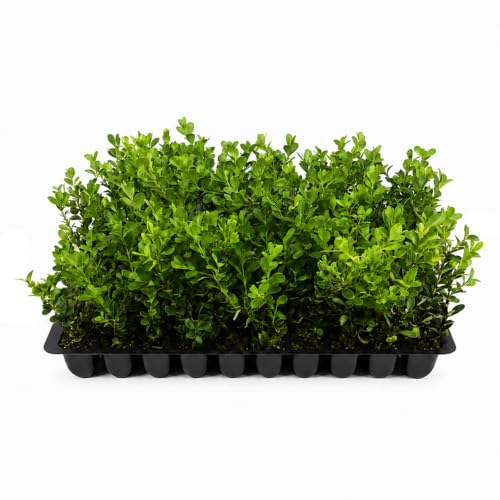
| Boxwood | 2–4 ft (dwarf types) | Full sun to part shade | Classic formal hedging, tight rounded forms; slow growth | Mid-range to premium |
| Japanese Holly (e.g., 'Helleri') | 2–4 ft | Full sun to part shade | Compact, tidy habit; small leaves; good alternative to boxwood | Entry-level to mid-range |
| Dwarf Yaupon Holly | 2–3 ft | Full sun to part shade | Heat and drought tolerant; fine texture; berries on some cultivars | Entry-level to mid-range |
| Nellie Stevens Holly | 15–20 ft | Full sun to part shade | Upright evergreen for corners and screening; glossy leaves and red berries | Mid-range |
| Dwarf Arborvitae (e.g., 'Little Giant') | 3–4 ft | Full sun | Compact globe form; soft texture; good for foundation edges | Entry-level |
| Inkberry Holly | 3–6 ft | Full sun to part shade | Adaptable, native option; dark berries; tolerates wet soils | Entry-level to mid-range |
| Mountain Laurel | 4–8 ft | Part shade | Spring flowers, glossy leaves; needs well-drained acidic soil | Mid-range |
| Rhododendron (compact evergreen types) | 3–5 ft | Part shade | Bold spring color; requires acidic soil and some moisture | Mid-range to premium |
If your front bed receives full sun, also consider compact evergreen choices from our low-growing shrubs for front of house full sun guide. For larger corner plantings, the Nellie Stevens holly is a reliable upright evergreen with strong structure.
How to Choose the Right Evergreen for Your Front Yard
Before buying, match the shrub to your site conditions and design intent. This prevents costly replanting and keeps maintenance low long term.
1. Check Your Light Exposure
Most evergreen shrubs for the front of the house prefer full sun to partial shade. Watch your bed through the day: if it receives six or more hours of direct sun, choose sun-loving types like dwarf yaupon holly or dwarf arborvitae. If it is shaded by the house or nearby trees, look for part-shade-tolerant options such as Japanese holly or mountain laurel.
2. Measure the Space and Mind the Windows
Foundation shrubs should sit below or to the sides of windows, not block them. Aim for mature height that is roughly two-thirds the distance from the ground to the bottom of the window, or lower. Account for the shrub's mature width so it doesn't crowd the entryway or walkway.
3. Match Soil and Drainage
Most evergreens need well-drained soil. If your front bed stays wet, inkberry holly tolerates moisture better than most. If your soil is heavy clay, amend with organic matter and consider a raised planting area. For mulch and soil surface guidance, see our mulch guide.
4. Plan for Winter Interest
Front-of-house evergreens should look good in winter. Look for shrubs with colorful foliage (variegated or deep green), berries (holly), or a pleasing silhouette. Combine with winter-hardy perennials for seasonal layering.
Planting and Care Basics for Minimal Effort
Proper planting sets the stage for low maintenance. Follow these steps for the best results:
- Dig a hole two to three times as wide as the root ball but no deeper than the root ball height. Wider holes encourage roots to spread.
- Do not amend a single hole heavily with compost—this can create a "bath tub" effect. Instead, improve the entire bed with organic matter.
- Set the plant so the top of the root ball is level with or slightly above the soil line. Water thoroughly to settle the soil.
- Apply 2–3 inches of mulch around the base, keeping it a few inches away from the trunk.
- Water deeply once a week during the first year to establish roots. After establishment, most of these evergreens need little supplemental water.
- Prune lightly, if at all, in late winter or early spring to remove damaged branches and maintain shape. Choose self-shaping shrubs to minimize pruning.
Design Ideas for Front-of-House Evergreen Shrubs
Evergreens provide the structural backbone of a front landscape. Use them with other elements to create a cohesive, welcoming entry:
- Foundation layers: Pair a taller evergreen like Nellie Stevens holly at the corners with a compact dwarf yaupon holly near the entry.
- Rock and mulch beds: For design inspiration, see low-maintenance front yard landscaping ideas with rocks and mulch and low-maintenance front yard landscaping with rocks.
- Path and entry framing: Use low, rounded evergreens flanking the walkway, and keep sightlines clear to the door.
- Lighting: Add modern outdoor lighting ideas for front of house to highlight shrub shapes at night.
- Accent structures: A metal arched garden arbor or similar feature can complement evergreen plantings.
Common Mistakes to Avoid
- Overcrowding: Planting shrubs too close together forces constant pruning and increases disease pressure. Always check mature spread.
- Planting too deep: The root flare should be visible. Deep planting suffocates roots.
- Shearing into tight shapes: Unless you want a formal hedge, let shrubs keep their natural form; it's healthier and requires less work.
- Ignoring drainage: Most evergreen failures come from soggy roots. Improve drainage before planting.
- Using the wrong shrub for the light: A sun-lover in deep shade will be sparse and disease-prone.
Shopping Checklist: What to Look For
When you shop for low maintenance evergreen shrubs online or at a nursery, bring this checklist:
- Mature height and width — matches your window and walkway clearance.
- U.S.D.A. hardiness zone — confirm it matches your climate.
- Sun requirement — full sun, part shade, or full shade.
- Soil tolerance — especially drainage and pH.
- Growth rate — slower is often better for foundation beds.
- Evergreen foliage type — broadleaf or needle; note winter color.
- Container size and root health — healthy roots mean faster establishment.
If you are also refreshing the rest of the front yard, our guides on low-maintenance plants that come back every year and low-maintenance perennial flowers that bloom all summer can help you layer color around your evergreens.
Frequently Asked Questions
What is the lowest-maintenance evergreen shrub for the front of a house?
Dwarf yaupon holly and dwarf arborvitae are among the easiest: they tolerate sun, adapt to many soils, and hold a tidy shape with little pruning. Japanese holly is a strong alternative to boxwood with fewer pest issues.
How far from the house should I plant evergreen shrubs?
Plant at least half the shrub's mature width away from the foundation, and more if you want to walk behind the shrub. This allows airflow and prevents moisture damage to siding.
Do evergreen shrubs need fertilizer?
Usually no. Most established landscape evergreens grow well with occasional compost topdressing. Over-fertilizing pushes excess growth that requires more pruning and can attract pests.
Can I keep a large evergreen shrub small with pruning?
You can, but it requires regular work and can harm the plant's natural form. It is usually better to choose a dwarf or compact cultivar from the start—this is the essence of low maintenance.
What should I plant under front-of-house evergreens?
Low perennials, groundcovers, or mulch work best. Avoid digging deeply around shrub roots. If you want seasonal color, add container plantings near the entry instead of disturbing the shrub bed.
When is the best time to plant evergreen shrubs?
Early fall is ideal in most climates because soil is warm and rainfall is more reliable. Early spring is the second-best window. Avoid planting in the heat of summer or frozen ground.