Landscaping Ideas for a Small Area in Front of Your House
Turn a compact front yard into a high-impact, low-maintenance entrance. Discover practical design strategies, plant selections, and hardscaping tricks that make small spaces feel intentional and welcoming.
Why small front yards deserve big design thinking: The area in front of your house is the first thing visitors and buyers see. Even a narrow strip between the sidewalk and the porch can be transformed into a polished, layered landscape that boosts curb appeal without demanding hours of upkeep. This guide walks you through proven ideas that work in tight spaces.
Start With a Clear Plan for Your Compact Space
Before choosing plants or materials, measure your bed depth and note sun exposure, drainage, and foot traffic. Small front yards are often shallow, so every inch matters. Sketch a simple layout that divides the space into three zones: a foreground (low groundcover or gravel), a middle layer (mid-height perennials or shrubs), and a background (a taller accent plant or a structural element). This layered approach adds depth and makes a shallow bed read as fuller and more expensive than it is.
If your planting area is very narrow, consider a low-maintenance front-of-house landscape approach that relies on evergreen structure and a restrained palette. For yards with a slope, review sloping front yard solutions before committing to any design.
Layered Planting: The Secret to a Full-Looking Small Bed
Layering is the single most effective technique for small front yard landscaping. Use three tiers:
- Back tier: Evergreen shrubs or ornamental grasses for year-round structure. Consider a compact hosta grouping in shade or a Green Velvet boxwood in sun.
- Middle tier: Seasonal color with perennials such as hydrangeas (shade) or lavender and sedum (sun). Keep to two or three colors for cohesion.
- Front tier: Low groundcovers or a clean gravel border. This anchors the bed and keeps maintenance low.
Repetition is key: plant in odd-numbered groups of three or five to create rhythm. A unified color palette—greens, whites, and one accent hue—makes a small space feel deliberate and larger.
Hardscaping Ideas That Maximize a Small Footprint
Hardscaping adds structure and reduces maintenance. In tight front yards, choose materials that visually expand the space:
Gravel Beds
Use gravel landscaping as a low-water foreground. Light-colored gravel reflects light and makes narrow beds feel wider.
Clean Edging
A crisp metal or stone edge separates beds from lawn and instantly elevates a small front yard. Straight lines suit modern homes; curves soften traditional facades.
Vertical Interest
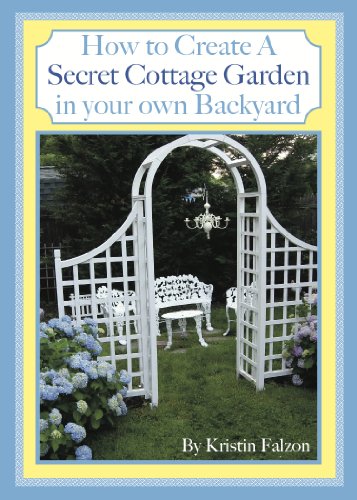
Use a slim garden structure such as a trellis or arbor to draw the eye upward without consuming floor space.
Statement Containers
One large planter beside the door adds height and color. Choose a pot proportional to your entryway—too many small pots feel cluttered.
For stone-based designs, see front-of-house landscaping with stones. If you want to add a small path, keep it functional and direct; winding paths consume space and can look fussy in compact areas.
Low-Maintenance Plants That Perform in Small Beds
Choose plants with a compact mature size—avoid anything that will outgrow the space in three years. Reliable performers include:
- Evergreens: Boxwood, dwarf holly, and Japanese maple (for partial shade). See Japanese maple care for compact varieties.
- Perennials: Hosta, hydrangea, coneflower, and sedum. Hostas are ideal for shade; see hosta growing tips.
- Ornamental grasses: A single clump adds movement and texture with minimal care.
- Groundcovers: Creeping thyme or low sedum for sunny edges.
Avoid overplanting. In a small bed, three well-chosen shrubs plus a groundcover layer often look better than a crowded mix. If you need inspiration for bed layouts, review front-of-house flower bed ideas.
Curb Appeal on a Budget: High-Impact, Low-Cost Upgrades
You do not need a full redesign to transform a small front yard. Focus on these budget-friendly moves:
- Refresh mulch: A new layer of dark mulch makes beds look clean and finished.
- Define edges: A sharp spade edge or inexpensive metal edging creates a crisp line.
- Add one statement plant: A single sculptural shrub or ornamental grass draws the eye.
- Light it up: Solar path lights or a small uplight on a shrub adds evening drama.
- Declutter: Hide hoses and bins; a tidy entry reads as well-designed.
For a broader budget plan, see front-of-house landscaping on a budget.
Hardscaping and Plant Comparison at a Glance
| Design Element | Best For | Maintenance Level | Space Needed |
|---|---|---|---|
| Gravel bed | Low-water foreground | Low | Narrow strips |
| Boxwood hedge | Structure & privacy | Low–moderate (annual trim) | 12–18 inches depth |
| Hydrangea | Seasonal color | Moderate | 2–3 feet width |
| Ornamental grass | Texture & movement | Low | 1–2 feet width |
| Container planting | Entryway accent | Moderate (watering) | Vertical only |
Common Mistakes to Avoid in Small Front Yards
- Overcrowding: Too many plant varieties create visual noise. Edit ruthlessly.
- Ignoring mature size: A shrub that looks small at the nursery can swallow a narrow bed in two seasons.
- Skipping the foreground: A gravel or groundcover edge grounds the design.
- Neglecting the entry: The door and path are part of the landscape—keep them clean and well-lit.
- Forgetting drainage: Small beds near foundations can pool water. Check slope and consider a rain garden or drainage solution if needed.
Frequently Asked Questions
How can I make a small front yard look bigger?
Use vertical layering with tall plants at the back, mid-height plants in the middle, and low groundcovers at the front. Curved bed edges and a unified color palette also make a small space feel larger and more intentional.
What are the best low-maintenance plants for a small front yard?
Evergreen shrubs like boxwood, ornamental grasses, hostas, and drought-tolerant perennials such as lavender and sedum are excellent low-maintenance choices for small front yard beds.
How do I add curb appeal to a small front yard on a budget?
Focus on a few high-impact upgrades: fresh mulch, a clean edging line, one statement plant, and a well-placed container. These budget-friendly touches deliver maximum curb appeal without a full redesign.
Should I use gravel or mulch in a small front bed?
Gravel suits drought-tolerant, modern designs and reflects light to make narrow beds feel wider. Mulch retains moisture and suits lush planting. Choose based on your plant palette and local climate.
How deep should a small front yard planting bed be?
A minimum of 18–24 inches is workable for low shrubs and perennials. If space allows, 3 feet gives plants room to mature and creates a more layered look.
Ready to Upgrade Your Front Yard?
Browse our curated selection of landscaping tools and supplies below to bring your small front yard design to life.
Shop Recommended Supplies