
Garden Structures: Sheds, Gazebos, Pergolas & Trellises Explained
Transform your outdoor space with the right garden structures. Discover how sheds, gazebos, pergolas, arbors, and raised beds add function, beauty, and value to your landscape — plus expert guidance on materials, placement, and maintenance.
EXPLORE STRUCTURE TYPESWhy garden structures matter: A well-planned garden structure does far more than look attractive. It extends your usable outdoor space, protects plants and tools, defines zones in the landscape, and can even increase property value. Whether you are researching a garden shed for tool storage or weighing gazebo plans for a shaded retreat, understanding the options before you commit is the smartest first step.
Types of Garden Structures and What They Do
Garden structures fall into two broad families: utility structures that support storage and growing, and leisure structures that create comfortable outdoor living areas. Most successful landscapes combine both. Below is a breakdown of the most popular options, with notes on who each one suits best.
Garden Sheds
The workhorse of any garden. Sheds store tools, equipment, and potting supplies, and larger models double as a potting station or workshop. Entry-level resin sheds suit casual gardeners, while mid-range wooden sheds offer better insulation and longevity.
Gazebos
Freestanding, roofed structures that provide shade and shelter for seating and dining. Gazebos are ideal for patios and lawns, and can be permanent or pop-up. They are a stronger wind-resistant choice than most umbrellas and anchor a garden's social zone.
Pergolas
Open-roof frames with posts and crossbeams that define a transition zone between indoors and the garden. Pergolas support climbing plants and can be fitted with shade cloth or a canopy. They add architectural interest without blocking light.
Trellises & Arbors
Vertical supports for climbing plants such as roses, clematis, and vegetables. Arbors form an archway entrance to a garden path, while wall trellises save space in small yards. Budget-friendly options are widely available in wood and metal.
Raised Garden Beds
Elevated planting boxes that improve drainage, reduce bending, and extend the growing season. DIY garden beds are an affordable entry point, while premium kits use rot-resistant cedar or galvanized steel for decades of service.
Greenhouses
Enclosed growing structures that let you start seeds earlier and protect tender plants through cold weather. Hobby greenhouses range from compact lean-to models to walk-in kits. Pair them with a drip irrigation system for reliable watering.
How to Choose the Right Garden Structure
Before ordering anything, walk your property with a notebook and answer three questions: What problem am I solving? How much space can I give it? What maintenance am I willing to do? These answers will narrow the field faster than any product listing.
1. Define the primary function
A storage-first buyer should prioritize a garden shed with a secure door and adequate floor area for a wheelbarrow and long-handled tools. A leisure-first buyer will get more value from a gazebo or pergola with seating beneath it. Mixing functions is possible — a shed with a built-in potting bench, for example — but be realistic about floor space.
2. Assess your site and sun exposure
Observe where sun falls throughout the day. A pergola over a west-facing patio will throw welcome afternoon shade; the same structure over a vegetable bed may reduce yield. Check drainage — structures placed in low spots are prone to rot and settling. If your garden struggles with runoff, review drainage solutions before construction begins.
3. Understand local rules and permits
Many municipalities regulate structures above a certain footprint or height. Sheds, gazebos, and permanent pergolas may require a permit, and homeowner association rules can be stricter still. Confirm setback distances from property lines before you dig. This step is inexpensive and prevents expensive reversals.
4. Pick materials that match your climate
Material choice drives both longevity and maintenance burden:
- Pressure-treated wood — affordable and widely available; requires periodic staining.
- Cedar and redwood — naturally rot-resistant; a premium choice for visible structures.
- Vinyl and composite — low maintenance; mid-tier to high-end cost; limited color flexibility.
- Galvanized steel and aluminum — excellent for arbors and trellises; rust-resistant when powder-coated.
- Resin — budget-friendly for shed storage; less durable in extreme heat or cold.
5. Plan for anchoring and wind
Any roofed structure must be anchored to resist uplift. Pop-up gazebos should be weighted or staked per the manufacturer's instructions; permanent structures need footings appropriate to frost depth. A structure that fails in the first storm is a false economy regardless of its tier.
Garden Structure Comparison at a Glance
| Structure | Best For | Typical Tier | Maintenance Level |
|---|---|---|---|
| Garden Shed | Tool and equipment storage; potting station | Budget-friendly to mid-range | Low to moderate |
| Gazebo | Shaded seating and entertaining | Mid-tier to premium | Moderate |
| Pergola | Defining outdoor rooms; supporting climbers | Mid-range to high-end | Low to moderate |
| Raised Garden Beds | Vegetables, herbs, and accessible growing | Affordable to premium | Low |
| Greenhouse | Season extension and seed starting | Mid-tier to luxury | Moderate to high |
| Trellis / Arbor | Vertical growing; garden entryways | Budget-friendly to mid-range | Low |
Placement and Design Principles
A well-sited structure feels inevitable — as if the garden always intended it there. Start with sightlines from your main windows and your most-used seating area. Structures that block a favorite view or crowd a pathway create friction every day; a shift of a few feet during planning prevents years of regret.
Anchor the composition
Larger elements such as gazebos and sheds work best as anchors, with smaller pieces like garden ornaments and planters arranged around them. Repetition of material — matching a pergola's timber to a shed's trim, for example — ties disparate elements together without extra cost.
Respect the path of travel
Leave generous clearance on main walkways. A shed door needs a clear swing zone; a gazebo needs room for chairs to pull back. If hardscaping is part of the plan, coordinate it now rather than retrofitting later — see gravel landscaping and DIY garden beds for affordable ways to define zones around structures.
Integrate planting from day one
Structures rarely look finished on their own. A trellis becomes beautiful once a climber covers it; a pergola softens with a vine at each post. Choose plants suited to the structure's sun exposure, and consider companion planting to attract pollinators. If you are new to vertical gardening, the gardening tips section covers soil, watering, and pruning fundamentals.
Maintenance Checklist for Long-Lasting Structures
Garden structures live outdoors year-round, so a light seasonal routine pays for itself many times over:
- Inspect fasteners twice a year — tighten bolts and replace corroded screws before they fail.
- Clean and treat wood annually — a fresh coat of stain or sealant prevents rot and UV damage.
- Clear roof debris — leaves trapped on gazebo or shed roofs hold moisture and accelerate decay.
- Check ground contact points — posts and sills are the first places rot appears; keep soil and mulch below the wood line.
- Winterize pop-up structures — remove fabric covers and store them dry to prevent mildew.
- Re-seal metal joints — touch up powder coating chips on arbors and trellises to stop rust.
For tools that help with upkeep — from hedge trimmers to chainsaws — see our equipment guides before buying.
Recommended Garden Structures and Building Supplies
⚠️ AFFILIATE DISCLOSURE: This website contains affiliate links. As an Amazon Associate, we earn from qualifying purchases. If you make a purchase through these links, we may receive a small commission at no additional cost to you. Read our full affiliate policy.

Garden Structures (Ideas & How-to)
Check price on Amazon
Smith & Hawken Garden Structures
Check price on Amazon
Adorox 7.3FT Garden Arch Trellis for Climbing Plants, Black Metal Garden Arbor for Outdoor Garden, Rose and Vine Support, Wedding Archway and Backyard Decoration, Black
Check price on Amazon
Wildcrafted Garden Structures: Making Bentwood Trellises, Arbors, Gates, and Fences
Check price on Amazon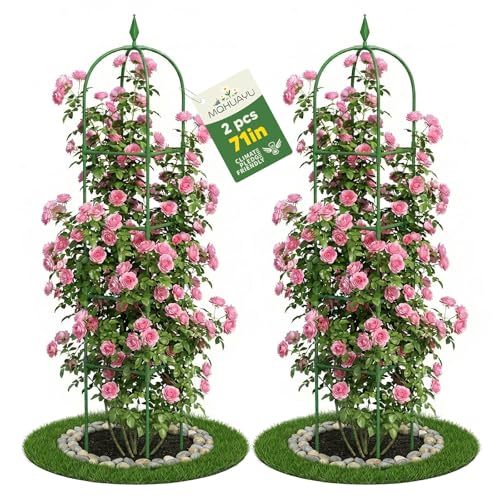
2 Pack Garden Obelisk Trellis for Climbing Plants, 6 FT Metal Rustproof Plant Support Rose Trellis, Tower Potted Cages for Flowers Fruits Vegetable Vines Indoor & Outdoor, Green(4 Tiers)
Check price on Amazon
RUBFAC 7.8ft Garden Arch, Metal Trellis for Climbing Plants Outdoor | Black Garden Arbors, Plant Stand Outdoor Archway Frame for Backyard Decor, Halloween Christmas Fall Party Decorations
Check price on Amazon
Greenhouse Hoops Grow Tunnel 6 Sets of 8FT Long Garden Hoops, Rust-Free Fiberglass Garden Hoops Frame for Garden Netting Raised Bed Plant Shade Cloth Row Cover, DIY Plant Support Garden Stakes- 36pcs
Check price on Amazon
OUTOUR 106''H French Style Birdcage Shape Heavy Duty Gazebo Arbor Arbour | Pergola Pavilion Arch Arbor Arbour Plants Stand Rack for Wedding Outdoor Garden Lawn Backyard Patio,Climbing Vines,Roses
Check price on AmazonFrequently Asked Questions About Garden Structures
Do I need a permit for a garden shed or gazebo?
It depends on your municipality, the structure's footprint, and its height. Many areas allow small sheds under a certain size without a permit, while larger or roofed structures require one. Always check with your local building department and homeowner association before purchasing or building.
What is the difference between a pergola and a gazebo?
A pergola is an open-roof frame of posts and beams that filters light and supports climbing plants. A gazebo has a solid roof and is fully freestanding, offering more complete shelter. Gazebos suit dining and seating in variable weather; pergolas suit defining spaces and growing vines.
Which material lasts longest for garden structures?
Cedar, redwood, and high-quality composites are among the most durable choices for visible timber structures, while galvanized or powder-coated steel excels for arbors and trellises. Longevity also depends heavily on anchoring, drainage, and routine maintenance rather than material alone.
Can I build a garden structure myself?
Yes — arbors, trellises, and raised beds are approachable DIY projects with basic tools and pre-cut kits. Sheds and gazebos with roofs are more demanding and may require two people plus proper footings. Start with a kit if you are new to carpentry, and check local codes first.
How do I keep a wooden structure from rotting?
Keep wood clear of direct soil contact where possible, ensure posts sit on concrete or gravel footings, maintain airflow around the base, and reapply sealant annually. Promptly replace any soft or discolored boards before rot spreads to structural members.
Ready to Plan Your Garden Structure?
Start with the structure type that solves your biggest practical problem, confirm local rules, and pick a material tier that matches your maintenance appetite. Browse the recommended supplies above to move from planning to planting.
VIEW RECOMMENDED SUPPLIES