Propane Fire Tables: The Complete Guide to Choosing, Using, and Enjoying Outdoor Gas Fire Features
Everything you need to know before buying a propane fire table — from fuel efficiency and material durability to safety requirements and design matching. Make a confident, informed purchase.
Why research matters: A propane fire table is a significant outdoor furniture investment that blends heat, ambiance, and function. This guide walks you through the key differences between models, what to look for in construction and burner design, and how to match a fire table to your patio setup — so you choose a unit that fits your space and lifestyle for years.
What Is a Propane Fire Table and How Does It Work?
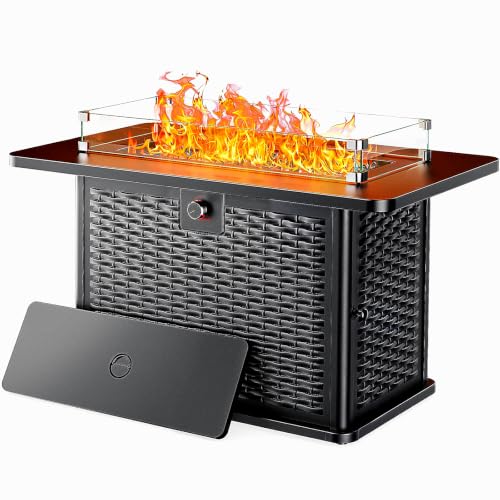
A propane fire table is a multifunctional piece of outdoor furniture that combines a flat tabletop surface with a built-in gas fire feature. Unlike traditional wood-burning fire pits, these tables run on liquid propane (LP) gas stored in a tank — typically concealed inside the table's base. The flame is ignited by a push-button or electronic ignition, and the heat output is controlled via a dial or knob.
Most models fall into two ignition categories: manual push-button ignition (entry-level and mid-range models) and electronic ignition (mid-tier and premium units), which offers more reliable starts in windy or damp conditions. The burner is usually rated between 30,000 and 60,000 BTU, with higher-output models producing a more visible flame and greater heat radius.
Because propane fire tables produce no smoke, ash, or sparks, they are significantly cleaner and easier to maintain than wood-burning alternatives. They also offer instant on/off control — a key advantage for patios where you want ambiance without the cleanup. If you are also considering other water or fire features for your garden, browse our ponds & fountains guide for complementary ideas.
Key Benefits of Choosing a Propane Fire Table
Instant Ambiance & Warmth
Turn on a flame with a simple push or electronic ignition — no kindling, no waiting. The visible flame creates a cozy focal point for evening gatherings while delivering steady radiant heat to nearby seating.
Clean & Low-Maintenance
Propane burns cleanly with no ash, soot, or smoke residue. There is no firewood to store, no embers to sweep, and no chimney cleaning. Simply wipe the tabletop and cover the unit when not in use.
Dual-Purpose Furniture
The flat tabletop provides usable surface area for drinks, snacks, or decor when the fire is off. Many models include a lid that converts the burner area into a full table — maximizing value in smaller outdoor spaces.
Extended Outdoor Season
A fire table lets you enjoy your patio well into cooler evenings and shoulder seasons. The focused heat output makes outdoor entertaining comfortable long after sunset, without the mess of a wood fire.
Design Versatility
Available in round, square, rectangular, and bar-height configurations, with finishes ranging from powder-coated steel to cast aluminum and stone-look composite. Choose a style that matches your existing patio furniture and landscape design.
Safer Than Wood Fires
No flying sparks, no unpredictable flare-ups, and no hot embers to worry about. Propane fire tables produce a controlled flame that extinguishes instantly when the gas supply is shut off — a safer option for households with children or pets.
Types of Propane Fire Tables: Which Configuration Fits Your Patio?
Propane fire tables come in several shapes and configurations, each suited to different outdoor layouts and seating arrangements. Understanding the trade-offs helps you narrow down the right model before comparing specific products.
Round Fire Tables
Round models are ideal for symmetrical seating arrangements — they pair well with curved sectionals or a ring of chairs. A round fire pit table with hidden propane tank inside keeps the fuel source out of sight and maintains a clean visual profile. Round tables typically accommodate four to six people comfortably and work well on smaller patios.
Rectangular and Square Fire Tables
Rectangular units are a natural fit for linear seating — sofas, bench seating, or long dining sets. A rectangular fire pit table with propane tank inside offers a larger usable tabletop for entertaining. Square models split the difference, providing balanced proportions for both conversational and dining-oriented layouts.
Bar-Height and Counter-Height Models
Elevated fire tables bring the flame up to standing or bar-stool height, making them ideal for cocktail-style gatherings. These models pair with tall patio stools and are a popular choice for poolside or balcony settings where standard-height seating feels too low. If you are designing a poolside lounge area, a poolside table can complement the fire feature with additional surface space.
Compact and Dual-Purpose Designs
Smaller spaces benefit from compact fire tables — including small outdoor tables with a fire pit in the middle — that deliver ambiance without dominating the patio. These are particularly useful on balconies, condos, and tight seating zones where a full-size unit would be impractical.
Propane Fire Table Comparison: Configurations at a Glance
| Configuration | Best For | Seating Capacity | Typical Tier | Notable Consideration |
|---|---|---|---|---|
| Round | Symmetrical seating, curved sectionals | 4–6 people | Mid-range to premium | Even heat distribution; ideal for conversation circles |
| Rectangular | Linear seating, outdoor sofas | 6–8 people | Entry-level to premium | Larger tabletop; better for entertaining trays |
| Square | Balanced layouts, mixed seating | 4–6 people | Mid-tier | Versatile footprint; works in corners |
| Bar-Height | Cocktail gatherings, poolside | 2–4 people (stools) | Mid-range to high-end | Elevated flame; requires matching tall stools |
| Compact / Dual-Purpose | Balconies, small patios | 2–4 people | Budget-friendly to mid-tier | Lid converts burner to full tabletop |
How to Choose the Right Propane Fire Table: 6 Key Factors
- 1. Heat Output (BTU Rating) Entry-level models typically produce around 30,000–40,000 BTU, while mid-range and premium units reach 50,000–60,000 BTU or more. Higher output means a more visible flame and wider heat radius, but it also consumes propane faster. Match the rating to your climate and how much heat you actually need.
- 2. Construction Material and Finish Powder-coated steel is common in budget-friendly models and offers solid durability with proper care. Cast aluminum and stainless steel resist rust better and are typical of mid-tier and premium fire tables. Stone-look composite and concrete finishes provide a more integrated landscape look but are heavier and more expensive to ship.
- 3. Burner and Ignition System Manual push-button ignition is simple and reliable on entry-level units. Electronic ignition systems (often battery-powered or AA-operated) offer more consistent starts and are standard on mid-range and premium models. Stainless steel burners resist corrosion and tend to last longer than standard steel burners.
- 4. Propane Tank Accessibility and Storage Decide whether the tank should be hidden inside the base or stored externally. Hidden-tank designs look cleaner but require a lift-off top or side door for tank swaps. Some models include a 20-pound tank included; others require a separate purchase. Check whether the tank door is easy to access for refills.
- 5. Tabletop Space and Lid Design If you plan to use the table for drinks and snacks when the fire is off, prioritize models with a generous flat surface or a convertible lid. Some lids are flush-fit and designed as full table extensions; others are simple covers. Consider whether the lid has a locking mechanism or storage slot.
- 6. Safety Certifications and Included Accessories Look for units tested to CSA or ANSI standards. Many models include lava rocks, fire glass, or a cover. A built-in thermocouple or oxygen depletion sensor (ODS) adds a safety layer by shutting off gas if the flame goes out. Check whether the unit ships with a regulator and hose compatible with standard 20-pound tanks.
Propane Fire Table Safety: What Every Buyer Should Know
⚠️ Safe Use Guidelines
Propane fire tables are safe when used correctly, but a few precautions are essential — especially on wooden decks and covered patios.
- Clearance: Keep the unit at least 3–5 feet away from combustible walls, fences, and overhead structures. Never use it under a low pergola or enclosed porch without proper ventilation.
- Level surface: Place the table on a flat, stable surface. On wooden decks, use a heat-resistant mat or choose a model with riser legs to protect the decking.
- Ventilation: Propane combustion produces carbon monoxide. Never use a fire table in a fully enclosed space, garage, or screened-in room without airflow.
- Tank handling: Store spare propane tanks upright and outdoors, away from heat sources. Check the hose and regulator for cracks before each use.
- Children and pets: Supervise closely — the tabletop and glass surround can become hot during operation. Consider a model with a tempered glass shield for added safety.
- Wind: In gusty conditions, flames can sputter or extinguish. Electronic ignition models handle wind better, but always shut off the gas if the flame goes out and wait before relighting.
Placement and Design: Integrating a Fire Table Into Your Outdoor Space
Where you place your propane fire table matters as much as which model you choose. The flame should be visible from the primary seating area, and the table should anchor the conversation zone rather than obstruct movement. On a sloped yard, address grading before installation — our guide to sloped yard solutions covers retaining walls and terracing that create a level patio surface.
For privacy and wind protection, consider pairing the fire table with shade sails or a privacy screen — but always maintain the required vertical clearance above the flame. If your patio is exposed and windy, a low-profile fire table with a higher BTU burner can help maintain a steady flame.
Lighting also affects how the flame reads after dark. Warm-toned solar garden lights and low-voltage path lighting can frame the fire table without competing with the flame's glow. Keep lighting at a lower level than the tabletop so the flame remains the focal point.
When selecting furniture around the fire table, weather-resistant materials are essential. If you are also upgrading your patio storage, a plastic outdoor storage cabinet can hold covers, tank accessories, and fire glass between uses.
Maintenance Tips for Long-Lasting Performance
A propane fire table requires minimal upkeep, but a few routine habits extend its lifespan and keep it looking sharp:
- Cover it when not in use A fitted cover protects the finish from UV fading, rain, and debris. Ensure the unit is completely cool before covering.
- Clean the burner and fire media Fire glass and lava rocks can accumulate dust and soot. Rinse them periodically and let them dry fully before reinstalling. Check burner ports for blockages.
- Inspect the hose and regulator Look for cracks, fraying, or loose connections before each season. Replace any damaged components before use.
- Store the propane tank properly Disconnect the tank when the table is not in use for extended periods. Store it upright in a ventilated outdoor area away from direct sunlight.
- Touch up the finish Powder-coated surfaces may develop minor chips over time. Use touch-up paint matched to the original finish to prevent rust spots from spreading.
Frequently Asked Questions About Propane Fire Tables
What is a propane fire table?
A propane fire table is a patio furniture piece that combines a flat table surface with a built-in gas fire feature. It runs on a propane tank — typically hidden inside the base — and provides both a functional table and a warm, ambiance-enhancing flame for outdoor living spaces.
Are propane fire tables safe to use on a wooden deck?
Most propane fire tables are safe for wooden decks when used properly. Choose a model with a heat shield or riser legs, keep it at least a few feet away from combustible walls and overhangs, and never place it directly on a flammable surface without a protective barrier underneath.
How long does a propane tank last in a fire table?
A standard 20-pound propane tank typically provides between 8 and 12 hours of burn time on a medium setting. Larger tanks or higher heat output will affect duration, so check the BTU rating and tank size of your specific model for a more accurate estimate.
Do propane fire tables produce smoke or ash?
No. Propane is a clean-burning fuel that produces no smoke, ash, or soot residue. The flame is odorless when the burner is functioning correctly. Any faint smell at startup is typically from the ignition process and dissipates quickly.
Can I convert a propane fire table to natural gas?
Some models offer natural gas conversion kits from the manufacturer, but not all fire tables are convertible. Conversion requires a different burner orifice and often a licensed plumber for the gas line connection. Check the product manual or contact the manufacturer before attempting any conversion.
What is the best material for a propane fire table?
Stainless steel and cast aluminum offer the best rust resistance and durability, especially in humid or coastal climates. Powder-coated steel is a solid budget-friendly option with proper care. Stone-look composite finishes provide a high-end landscape aesthetic but are heavier and may require more careful placement.
Ready to Choose Your Propane Fire Table?
Compare our curated selection of top-rated propane fire tables below — filtered for quality construction, reliable ignition systems, and strong value across every tier.
View Recommended Fire Tables ↓