The Complete Guide to Plant Fertilizers
Decode NPK ratios, compare organic vs. synthetic formulas, and learn precisely how to feed your flowers, vegetables, and lawn for vigorous, lush growth.
Let Gardening Insight: Fertilizer isn't just plant food—it's a strategic tool. Choosing the right blend transforms struggling seedlings into bountiful harvests and lackluster blooms into vibrant garden centerpieces. Master the basics of Nitrogen, Phosphorus, and Potassium, and you control the destiny of your garden.
Understanding NPK: The Big Three Numbers
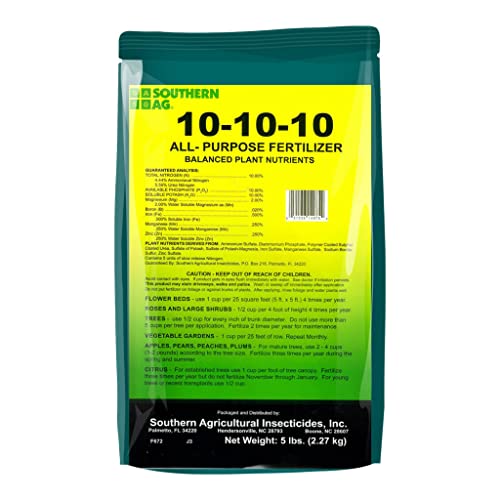
Every bag of fertilizer prominently displays three numbers, like 10-10-10 or 5-10-5. This is the NPK ratio, representing the percentage by weight of Nitrogen (N), Phosphorus (P), and Potassium (K). Understanding these three elements is the single most important step in mastering your soil and potting mix management.
| Nutrient | Primary Function | Deficiency Sign |
|---|---|---|
| Nitrogen (N) | Fuels leafy, green top-growth. Essential for chlorophyll and photosynthesis. Critical for lawn fertilizing and leafy vegetables. | Yellowing of older leaves, stunted growth. |
| Phosphorus (P) | Supports robust root development, flower formation, and fruit production. A must for growing tomatoes and roses care. | Purplish tinge on leaves, poor flowering, weak roots. |
| Potassium (K) | Enhances overall plant health, disease resistance, water regulation, and stem strength. Vital for growing potatoes and root vegetables. | Scorched leaf edges, weak stems, poor stress tolerance. |
Organic vs. Synthetic Fertilizers: A Critical Choice
The decision between organic and synthetic defines your gardening philosophy. Organic fertilizers, such as compost, fish emulsion, or bone meal, are derived from natural sources. They work by feeding the soil's microorganisms, which then convert nutrients into a form plants can use. This process vastly improves long-term soil structure and health, making it the preferred choice for organic gardening methods and long-term soil building.
Synthetic or chemical fertilizers provide nutrients in a form that is immediately available to plants. They offer precise NPK control and a rapid green-up effect, often seen as a quick fix for common gardening mistakes. However, they don't improve soil structure and can, if overused, lead to salt buildup and harm beneficial soil life. For a steady, low-maintenance approach, many experts recommend a slow-release synthetic or a balanced organic for in-ground beds.
🌿 Organic Fertilizers
Best for: Long-term soil health, vegetable gardens, edible crops.
Pros: Improves soil texture, increases water retention, feeds microbes, low burn risk.
Cons: Slower acting, lower precise NPK numbers, can be bulkier.
Examples: Compost, bone meal (high P), blood meal (high N), kelp meal, compost bin leachate.
⚗️ Synthetic Fertilizers
Best for: Quick correction of deficiencies, high-performance annuals, container plants.
Pros: Fast-acting, precise nutrient ratios, predictable results.
Cons: Potential for root burn with over-application, doesn't build soil health, can leach into groundwater.
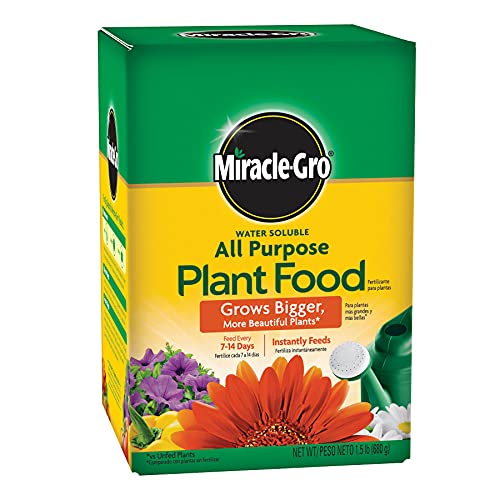
Examples: Water-soluble blue powders (24-8-16), coated slow-release pellets (14-14-14), hydroponic nutrients.
Liquid vs. Granular: Speed vs. Longevity
This is a tactical decision based on how your plants feed. Liquid fertilizers are mixed with water and applied directly to the soil or as a foliar spray. They deliver a fast nutrient boost, perfect for rapidly growing greens and lettuce or reviving nutrient-starved succulents that need a quick, light feed. They are the backbone of most hanging plants and container gardening, but require frequent application.
Granular fertilizers are dry pellets or powders spread around the base of plants or mixed into the soil. They release nutrients slowly as they break down, providing consistent feeding for weeks or even months. This "set it and forget it" method is ideal for perennial flowers, evergreen shrubs, and your overall lawn care regimen. For the ultimate low-maintenance option, look for polymer-coated slow-release granules.
Specialty Fertilizers for Specific Plants
While all-purpose fertilizers exist, achieving excellence often requires targeted nutrition. Plants have unique demands at different life stages. Acid-loving plants like hydrangeas and azaleas require fertilizers with high sulfur or iron to lower soil pH and enable nutrient uptake. A bloom-booster fertilizer with a high middle number (e.g., 10-30-20) is the secret to breathtaking wildflowers and heavy-flowering annuals.
If you're growing edibles, a dedicated tomato or vegetable formula rich in calcium and magnesium prevents blossom end rot in produce like peppers and squash. For fruit trees and ornamental trees, a slow-release granular spike applied in early spring provides season-long support. Even your indoor plants aren't left out; a balanced liquid houseplant food like 10-10-10 is perfect for air-purifying plants and indoor trees during their active growth phase.
Pro Tip: Always water plants thoroughly before applying liquid or granular fertilizers to moist soil. This prevents root burn and aids in nutrient distribution. Morning application is best to allow foliage to dry before nightfall, reducing the risk of fungal diseases. You can explore more methods in our watering guide.