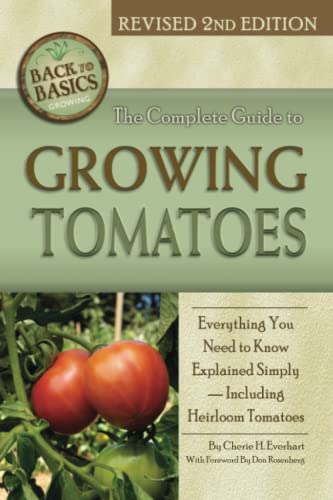
How to Grow Tomatoes: The Ultimate Guide for Juicy, Flavorful Harvests
Master the art of growing tomatoes from seed to harvest. This comprehensive guide covers variety selection, planting techniques, care, and troubleshooting to help you cultivate a bumper crop of delicious homegrown tomatoes.
Key Takeaway: Successfully growing tomatoes hinges on choosing the right variety for your climate, providing at least 6-8 hours of direct sunlight, using nutrient-rich, well-draining soil, and maintaining consistent watering. With these fundamentals, even novice gardeners can enjoy a rewarding harvest.
Choosing the Right Tomato Variety
Your journey to a successful harvest begins with selecting the perfect tomato type. Tomatoes are broadly categorized by their growth habit: determinate (bush) and indeterminate (vining). Determinate varieties, like 'Roma' and 'Celebrity', grow to a fixed size and produce their fruit all at once, making them excellent for container gardening and canning. Indeterminate varieties, such as 'Brandywine', 'Cherokee Purple', and 'Sweet 100', continue to grow and produce fruit throughout the season until frost, requiring sturdy staking or caging.
Slicing & Beefsteak
Examples: Brandywine, Beefmaster, Cherokee Purple
Known for their large, juicy fruits, these are perfect for sandwiches and fresh eating. They require a long, warm growing season and robust support systems.
Paste & Sauce
Examples: San Marzano, Roma, Amish Paste
With denser flesh and lower moisture content, these are ideal for cooking down into rich sauces, pastes, and salsas. They are typically determinate and harvest well in bulk.
Cherry & Grape
Examples: Sun Gold, Sweet Million, Black Cherry
Producing clusters of small, sweet fruits, these are perfect for salads and snacking. They are famously prolific and often the first to ripen, making them a rewarding choice for beginners.
Consider your local climate and disease resistance. In humid regions, look for varieties with resistance to fungal diseases like Fusarium and Verticillium wilt (often indicated by letters like 'VF' on the plant tag). For those with shorter growing seasons, early-maturing types that produce a crop in 55-70 days are a wise investment.
A Step-by-Step Planting Guide
Proper planting is critical for establishing a strong, productive root system. Whether you're starting from seed indoors or transplanting nursery starts, following these steps will set your tomatoes on the path to success. Timing is everything—wait until all danger of frost has passed and soil temperatures are consistently above 60°F (15°C).
- 1. Starting Seeds Indoors Begin your seed starting journey 6-8 weeks before your last expected frost date. Use a sterile seed-starting mix in a warm, well-lit area or under grow lights. Keep the soil consistently moist but not waterlogged to prevent fungal issues like damping-off.
- 2. Hardening Off Seedlings Gradually acclimate your indoor-grown seedlings to outdoor conditions over 7-10 days. This hardening-off process reduces transplant shock. Start with a few hours of shade and increase sun and wind exposure daily.
- 3. Preparing the Planting Site Choose a location with at least 6-8 hours of full sun. Amend the soil with plenty of organic matter, such as compost, to improve drainage and fertility. A good soil guide can help you understand the perfect pH level, which should be slightly acidic between 6.2 and 6.8.
- 4. Planting Deep for Strength This is a crucial tomato secret: plant seedlings deep, burying up to two-thirds of the stem, including the lower leaves. Tomato plants develop roots all along buried stem portions, creating a much stronger and more drought-resistant root system.
- 5. Providing Immediate Support Install stakes, cages, or a trellis at planting time, not later. Doing it now prevents root damage. For indeterminate varieties, a sturdy 5-7 foot tall stake or heavy-duty cage is essential. This also keeps developing fruit off the ground, reducing disease and pest issues.
- 6. Mulching and Watering In After transplanting, water the seedlings deeply with a gentle stream. Apply a 2-3 inch layer of organic mulch, like straw or shredded bark, around the base to retain moisture, regulate soil temperature, and suppress weeds.
Essential Tomato Plant Care
Consistent care throughout the growing season is what turns a healthy plant into an abundant one. Watering, feeding, and pruning are your main tools for success.
Watering Wisely
Inconsistent watering is the primary cause of blossom end rot and cracked fruit. Your watering guide for tomatoes should focus on deep, infrequent watering aimed at the soil line, not the leaves. Provide 1-1.5 inches of water per week, adjusting for sandy soils or heat waves. Drip irrigation or a soaker hose is ideal for keeping foliage dry and preventing the spread of soil-borne diseases.
Fertilizing for a Bountiful Crop
Tomatoes are heavy feeders. Start with a balanced organic plant fertilizer or compost mixed into the planting hole. Once flowers appear, switch to a fertilizer with a higher phosphorus and potassium content (the middle and last numbers on the packaging) to promote blooming and fruit set. Avoid high-nitrogen fertilizers, which result in lush green leaves but few fruits. Side-dress with compost or a granular fertilizer every 4-6 weeks during the fruiting stage.
Mastering the Art of Pruning
Proper pruning improves air circulation and directs energy to fruit production. The key technique, especially for indeterminate varieties, is removing "suckers"—the small shoots that grow in the "V" between the main stem and a branch. Watch a few pruning tips videos to feel confident. For determinate varieties, pruning should be minimal to avoid reducing your overall yield.
Troubleshooting Common Tomato Problems
Even experienced gardeners face challenges. Identifying and addressing issues early is key. Many problems are preventable through cultural practices like crop rotation and selecting disease-resistant varieties. For organic solutions, exploring natural pest control methods is highly effective.
🍅 Blossom End Rot
A dark, sunken spot on the bottom of the fruit. This is a calcium deficiency usually caused by inconsistent watering. Maintain even soil moisture and mulch well. It often corrects itself later in the season.
🐛 Tomato Hornworms
Large green caterpillars that can defoliate a plant overnight. Handpick them off and drop them in soapy water. Planting companion plants like basil and marigolds can help deter them.
🍂 Early Blight & Septoria Leaf Spot
Fungal diseases causing dark spots on lower leaves, which turn yellow and drop. Prevent by mulching, watering at the soil level, and removing affected leaves immediately. Apply an organic copper fungicide if severe.
🍁 Catfacing
Malformed, scarred fruit, often on large varieties. Caused by cold temperatures during pollination or physical damage. It's purely cosmetic; the tomato is still perfectly edible.
Harvesting and Storing Your Tomatoes
The moment you've been waiting for! Knowing when to harvest is the final secret to the best flavor. A tomato is perfectly ripe when it has reached its full, deep color (red, orange, purple, or yellow depending on the variety) and yields slightly to a gentle squeeze. For the sweetest fruit, harvest when fully vine-ripened. If a frost threatens or pests are a problem, you can pick tomatoes at the "breaker stage" (when the first blush of color appears) and let them ripen indoors on a countertop, away from direct sunlight. Never refrigerate fresh tomatoes, as temperatures below 55°F destroy their flavor compounds and create a mealy texture.
For an abundant crop, processing and preservation become essential. You can freeze, dry, or can your harvest to enjoy the taste of summer year-round. Our guide to canning and preserving walks you through safely creating shelf-stable sauces, whole tomatoes, and salsas. For a quicker solution, a slow roast in the oven concentrates their sweetness into a delicious treat or sauce base.
The Best Tomato Companions and Crop Rotation
Integrating tomatoes into a healthy garden ecosystem maximizes their health and yield. Growing tomatoes alongside the right companion plants can deter pests, improve flavor, and enhance growth. Basil is a classic companion, repelling whiteflies, mosquitoes, and tomato hornworms. Marigolds deter nematodes, and borage is believed to improve tomato flavor. Avoid planting tomatoes near members of the brassica family (cabbage, broccoli, kale) or fennel.
Equally important is crop rotation. Never plant tomatoes in the same spot where tomatoes, potatoes, peppers, or eggplants have grown in the last 3-4 years. This practice breaks the life cycle of soil-borne diseases like Verticillium and Fusarium wilt, and prevents the buildup of root-knot nematodes. If space is limited and you're using containers, always replace the potting mix completely each year.