Pet Friendly Plants: Your Complete Guide to Non-Toxic Greenery for Cats and Dogs
Transform your home into a lush, vibrant sanctuary without compromising your pet's safety. Discover expert-approved, non-toxic indoor and outdoor plants that let you enjoy the best of both worlds — beautiful greenery and a happy, healthy pet.
EXPLORE SAFE PLANTSWhy Choose Pet Friendly Plants? According to the ASPCA Animal Poison Control Center, thousands of pets are treated annually for accidental poisoning from toxic houseplants. Many popular ornamental plants contain compounds that can cause vomiting, kidney failure, or worse in curious pets who love to nibble on leaves. By carefully selecting non-toxic alternatives, you can create a stunning indoor garden and a safe outdoor landscape where your furry family members can roam freely without risk.
Understanding Plant Toxicity in Pets
Before we dive into the best pet-safe options, it's crucial to understand what makes a plant toxic to animals. Cats and dogs have different biological sensitivities, and a plant that's harmless to one species may be dangerous to another. Toxic compounds commonly found in houseplants include insoluble calcium oxalates (which cause intense oral irritation and swelling), cardiac glycosides (affecting heart function), and various alkaloids that can damage the nervous system or organs.
When practicing indoor gardening with larger specimens, remember that even falling leaves from a tall plant can become a hazard if ingested. The severity of a reaction depends on the amount consumed, the specific toxin, and your pet's size and health status. Always consult your veterinarian immediately if you suspect your pet has eaten a potentially toxic plant, and keep a sample of the plant for identification purposes.
⚠️ Important Safety Warning
Even non-toxic plants can cause mild stomach upset if consumed in large quantities. Always monitor your pets around any plants and discourage chewing behavior through proper training and the use of deterrents like bitter apple spray. The information provided here is based on ASPCA guidelines, but individual pets may have unique sensitivities. When in doubt, place all plants out of reach or behind barriers.
Best Indoor Pet Friendly Plants
Creating an indoor jungle doesn't have to be a risky endeavor. Whether you're looking for dramatic floor plants, charming tabletop specimens, or cascading beauties for your shelves, there are abundant non-toxic options that thrive in indoor conditions. Many of these plants are also excellent for those exploring succulent care or expanding their general plant collection with unique varieties.
Spider Plant Pet-Safe
Scientific Name: Chlorophytum comosum
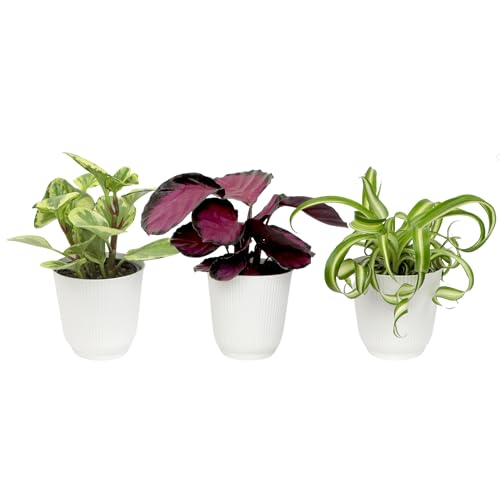
One of the most resilient and forgiving houseplants available, spider plants are completely safe for both cats and dogs. Their arching, grass-like leaves and trailing plantlets make them irresistible to playful felines, but you can rest assured knowing they pose no toxic risk. These plants thrive in bright, indirect light and prefer to dry out between waterings.
Boston Fern Pet-Safe
Scientific Name: Nephrolepis exaltata
With its lush, feathery fronds, the Boston fern adds a touch of woodland elegance to any room. It's non-toxic and perfectly safe for curious noses. Boston ferns prefer high humidity and consistently moist soil, making them ideal candidates for bathrooms or kitchens. If you're interested in hanging plant displays, this fern looks spectacular in elevated planters where its fronds can cascade freely.
Parlor Palm Pet-Safe
Scientific Name: Chamaedorea elegans
This elegant, slow-growing palm has been a favorite since the Victorian era and remains one of the safest choices for pet owners. It tolerates lower light conditions than many palms and adds a sophisticated tropical vibe to living spaces. For those interested in broader air-purifying houseplants, the parlor palm also excels at removing indoor air pollutants.
Calathea Pet-Safe
Scientific Name: Calathea spp.
Known for their stunning, intricately patterned leaves that fold up at night, calatheas (including the popular prayer plant) are completely pet-safe. They prefer medium to low light and high humidity, making them perfect for terrariums or grouped displays. While learning about proper potting soil and mixes, you'll discover that calatheas thrive in well-draining, peat-based substrates.
Areca Palm Pet-Safe
Scientific Name: Dypsis lutescens
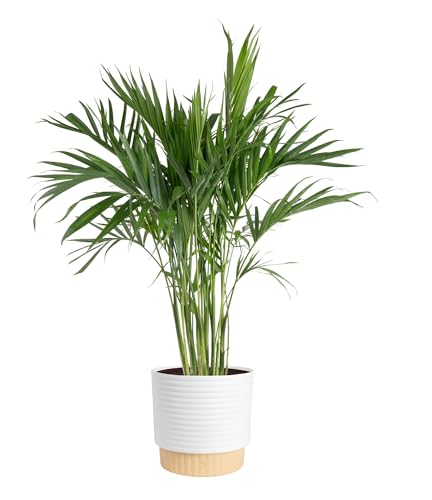
Also called the butterfly palm, this graceful, multi-stemmed palm is non-toxic and brings dramatic height to interiors. It grows well in bright, indirect light and can reach impressive sizes, making it an excellent alternative to toxic indoor tree species that may pose risks to pets.
African Violet Pet-Safe
Scientific Name: Saintpaulia ionantha
These compact, flowering beauties are entirely non-toxic and add vibrant color to windowsills and tabletops. African violets bloom repeatedly in bright, indirect light and prefer bottom watering to prevent leaf spotting. Their small size makes them easy to place well out of reach while still enjoying their cheerful blooms.
Essential Care Tips for Indoor Pet Friendly Plants
- Proper Watering: Most pet-safe indoor plants prefer consistent moisture without waterlogging. Master the basics with our comprehensive watering guide for houseplants.
- Safe Fertilizing: Choose organic, pet-safe fertilizers and avoid chemical products that could harm pets if they dig in the soil. Learn about plant fertilizer options suitable for homes with animals.
- Regular Pruning: Remove dead or yellowing leaves promptly to prevent pets from being attracted to decaying foliage. Check our pruning guide for techniques.
- Natural Pest Management: Avoid chemical pesticides entirely. Instead, use natural pest control methods like neem oil or insecticidal soaps that are safe around pets.
- Expand Your Collection: Once you've mastered these basics, try plant propagation techniques to multiply your safe plant collection for free.
Pet Safe Outdoor Plants for Your Garden
Your backyard should be a safe haven for all family members, including the four-legged ones. Many common garden plants—including azaleas, oleander, and sago palms—are dangerously toxic. Fortunately, there are countless beautiful alternatives that let you design a stunning landscape without compromising safety. If you're starting from scratch, consider integrating perennial flower varieties that will return year after year with minimal maintenance.
Roses Pet-Safe
Scientific Name: Rosa spp.
Classic and elegant, roses are non-toxic to both cats and dogs. While the thorns can cause physical injury if pets try to chew on stems, the flowers and leaves themselves pose no poisoning risk. Consider thornless varieties for high-traffic pet areas. For detailed cultivation advice, explore our dedicated roses care guide.
Sunflowers Pet-Safe
Scientific Name: Helianthus annuus
These cheerful giants are completely non-toxic and bring joy to any garden. Sunflowers are easy to grow from seed, attract pollinators, and provide edible seeds for humans once mature. They make excellent temporary privacy screens and add architectural height to backyard garden designs.
Snapdragons Pet-Safe
Scientific Name: Antirrhinum majus
These charming, dragon-shaped blooms are safe for pets and add vertical interest to borders and containers. Snapdragons come in a rainbow of colors and bloom prolifically in cooler weather. They pair beautifully with other annual flower varieties for season-long color.
Camellia Pet-Safe
Scientific Name: Camellia japonica
These glossy-leaved shrubs produce stunning rose-like blooms in late winter and early spring when little else is flowering. Camellias are non-toxic and long-lived, making them excellent foundation plants. If you're interested in similar options, compare them with other evergreen shrubs that provide year-round structure.
Petunias Pet-Safe
Scientific Name: Petunia spp.
These cascading, trumpet-shaped flowers are among the most versatile and safest annuals for pet owners. They thrive in containers, hanging baskets, and garden beds, blooming continuously from spring until frost. Their trailing habit makes them perfect for elevated planters that keep them safely away from digging dogs.
Zinnias Pet-Safe
Scientific Name: Zinnia elegans
Zinnias are vibrant, easy-to-grow annuals that are completely non-toxic. They attract butterflies and hummingbirds while providing cut flowers for indoor arrangements. Zinnias are drought-tolerant once established and thrive in full sun, making them an excellent choice for water-wise gardens.
Common Toxic Plants to Avoid
Knowledge of what to avoid is just as crucial as knowing safe alternatives. Many of these dangerous plants are widely available in garden centers and may already exist in your home or landscape. Review this list carefully and consider removing or relocating any toxic specimens to areas completely inaccessible to your pets.
Sago Palm Highly Toxic
Risk: All parts, especially the seeds, contain cycasin which causes severe liver failure. Even a small ingestion can be fatal to dogs.
Safe Alternative: Parlor palm or areca palm.
Lilies Highly Toxic
Risk: True lilies (Lilium and Hemerocallis species) cause acute kidney failure in cats. Every part, including pollen and vase water, is dangerous.
Safe Alternative: African violets or orchids.
Aloe Vera Toxic
Risk: The latex layer beneath the skin contains saponins and anthraquinones that cause vomiting and diarrhea in pets.
Safe Alternative: Haworthia (zebra cactus), which looks similar but is completely non-toxic.
Pothos/Devil's Ivy Toxic
Risk: Contains insoluble calcium oxalates causing intense oral irritation, drooling, and difficulty swallowing.
Safe Alternative: Spider plant or peperomia for a similar trailing effect.
Designing a Pet-Friendly Garden Paradise
Beyond selecting non-toxic plants, a truly pet-friendly landscape considers layout, materials, and practical features that make outdoor spaces enjoyable for everyone. Whether you're working with a sprawling backyard or a cozy urban plot, thoughtful design creates harmony between your gardening passion and your pet's natural behaviors.
Start by designating specific zones: a digging area filled with loose sand or soil where dogs can satisfy their instinctual urge to dig, a shaded rest zone with comfortable surfaces, and clearly defined garden beds protected with decorative fencing or raised borders. If you're considering building raised garden beds, they naturally deter pets from trampling delicate plants while making gardening more ergonomic for you.
For hardscaping choices, avoid cocoa bean mulch, which contains theobromine (the same compound toxic to dogs in chocolate). Instead, use cedar or pine bark mulches, pea gravel, or smooth river rocks. When designing pathways, consider how your dog naturally moves through the space—they often create their own trails, which you can formalize with attractive garden walkways that accommodate both human and canine traffic patterns.
If you're a vegetable gardener who also has pets, choose companion planting strategies that use pet-safe herbs like basil and rosemary to deter pests naturally. Raised vegetable beds keep food crops clean and protected, while ensuring your dog can't accidentally trample your tomatoes or dig up your carrots. For urban gardeners with limited space, vertical gardening techniques keep edibles safely elevated and maximize growing area.
Pet-Safe Herbs for Your Garden and Kitchen
Growing herbs offers a wonderful intersection between gardening and pet ownership—many culinary herbs are not only safe but actually beneficial for animals in small quantities. A dedicated herb garden near your kitchen door provides fresh flavors for your cooking while contributing beneficial plants to your landscape. Learn the essentials of designing a functional herb garden that works for your entire household.
Basil Pet-Safe
This aromatic culinary staple is completely safe for pets and repels certain insects naturally. Basil thrives in warm, sunny locations and pairs beautifully with tomato plants in both the garden and the kitchen. Explore more culinary herb varieties to expand your edible garden.
Rosemary Pet-Safe
Woody and aromatic, rosemary is non-toxic and makes an excellent low hedge or container plant. Its strong scent naturally deters some garden pests, and it requires minimal care once established. Rosemary is also drought-tolerant, fitting well into low-water landscapes.
Thyme Pet-Safe
This ground-hugging herb is tough enough to withstand light foot traffic, making it an excellent choice for planting between stepping stones in pet-friendly pathways. Thyme comes in many varieties, including lemon-scented types that release fragrance when brushed against.
Creating Harmony Between Plants and Pets: The goal isn't to choose between your love of plants and your love for your pets—it's about making informed, thoughtful choices that allow both to thrive. When you bring a new plant home, always verify its safety using reliable sources like the ASPCA toxic plant database. Rotate pet-safe deterrents like citrus peels or diluted vinegar sprays to discourage chewing. Most importantly, provide plenty of appropriate chew toys and enrichment for your pets so they're less inclined to investigate your plant collection.