Organic Weed Killer: Safe, Effective & Eco-Friendly Weed Control
Let gardening stay natural! Discover how organic weed killers work, which options are truly effective, and how to choose the right solution for a thriving, chemical-free garden.
FIND YOUR ORGANIC SOLUTION
Weeds are the most persistent challenge in any garden, but reaching for synthetic herbicides can harm beneficial insects, soil health, and even your family. An organic weed killer offers a safer path: it controls unwanted plants without introducing harsh chemicals into your garden ecosystem. Whether you are tending a vegetable patch, a flower border, or a landscaped lawn, understanding how organic herbicides work — and where they fall short — is the key to making them effective.
This guide walks you through everything you need to know before choosing an organic weed killer: how these products work, which ingredients actually deliver results, and how to apply them for maximum effectiveness. By the end, you will have a clear understanding of the options available and the confidence to select the right product for your specific situation.
Quick Summary: Organic weed killers work on contact, burning foliage rather than systemically killing roots. They are best for young annual weeds, paths, driveways, and spot treatment. For deep-rooted perennials, repeated applications or manual removal combined with organic methods work best. Always choose products labeled for your intended use area.
How Do Organic Weed Killers Work?
Unlike synthetic herbicides that are absorbed into the plant's vascular system, most organic weed killers are contact herbicides. They damage the parts of the plant they touch — usually the leaves and stems — by disrupting cell membranes or drawing moisture out of the tissue. This causes the weed to wilt, brown, and die.
Because they act on contact rather than systemically, organic weed killers are most effective on small, young annual weeds. Established perennials with deep taproots (like dandelions or thistles) may regrow from the root, requiring repeated applications or a combined approach with manual removal.
Key Active Ingredients in Organic Weed Killers
- Acetic acid (horticultural vinegar): Concentrations of 20% or higher burn foliage on contact. This is one of the fastest-acting organic options.
- Pelargonic acid: A fatty acid derived from plants that destroys cell membranes on contact. Effective but non-selective.
- Citric acid: Works similarly to vinegar but is often combined with other ingredients for enhanced effect.
- Essential oils (clove, cinnamon, peppermint): Provide additional herbicidal action and can improve product performance when combined with acetic acid.
- Iron (FeHEDTA): A selective organic herbicide that targets broadleaf weeds without harming grass — ideal for lawns.
Understanding the difference between contact and systemic action is critical. If you are dealing with weeds in a lawn, look for selective organic products containing iron. For patios, driveways, and garden paths, a non-selective contact herbicide such as horticultural vinegar is the better choice. For help identifying the right approach for your lawn type, see our guide on post-emergent weed killer for St. Augustine grass and pre-emergent herbicide for crabgrass.
Types of Organic Weed Killers: Entry-Level to Premium
Organic weed killers span a wide range of formulations, from simple DIY mixtures to concentrated professional-grade products. To help you understand the market without focusing on price, we classify them into quality tiers based on formulation strength, ingredient purity, and ease of use.
| Type |
Best For |
How It Works |
Tier |
| Horticultural vinegar (20%+ acetic acid) |
Spot treatment on paths, driveways, young annual weeds |
Burns foliage on contact; non-selective |
Entry-Level |
| Pelargonic acid sprays |
Larger areas, garden beds, walkways |
Destroys cell membranes; fast visible results |
Mid-Range |
| Iron-based selective herbicides (FeHEDTA) |
Lawns with broadleaf weeds |
Selective; kills broadleaf weeds without harming grass |
Premium |
| Essential oil blends (clove, cinnamon) |
Small garden beds, mulch areas, pet-safe zones |
Multiple-mode contact action; pleasant scent |
Mid-Range |
| DIY vinegar + dish soap mixtures |
Quick fixes on small weeds, cracks in pavement |
Acetic acid burn with surfactant for better coverage |
Entry-Level |
Entry-level options like household vinegar mixtures are budget-friendly and easy to prepare, but they are generally weaker and require more frequent application. Mid-range products such as pelargonic acid sprays offer more consistent results and are formulated for garden use. Premium organic herbicides, particularly iron-based selective products, cost more but deliver professional-level control with the added benefit of lawn safety. The best choice depends on your weed type, the area you are treating, and how often you are willing to reapply.
What to Look For in an Organic Weed Killer
When researching organic weed killers, focus on these key factors to ensure you choose a product that fits your garden and your goals:
1. Active Ingredient Concentration
The concentration of the active ingredient directly determines effectiveness. Horticultural vinegar at 20% acetic acid is significantly more potent than the 5% vinegar found in kitchens. Pelargonic acid products typically contain 2–3% active ingredient but are formulated for rapid knockdown. Always read the label to understand what you are getting — a higher concentration generally means faster, more reliable results but also requires more careful handling.
2. Selectivity
Determine whether you need a non-selective or selective product. Non-selective organic herbicides (vinegar, pelargonic acid) kill any plant they contact, making them ideal for paths, driveways, and areas where no plants are wanted. Selective products like iron-based herbicides are designed to kill broadleaf weeds while leaving grass unharmed — essential if you are treating a lawn. For lawn-specific guidance, our article on post-emergent weed killer that won't kill grass provides detailed recommendations.
3. Speed of Action
Most organic contact herbicides show visible results within 24–48 hours, with complete die-off taking one to two weeks. Faster-acting products are preferable for high-visibility areas like walkways, while slower-acting formulations may be acceptable for garden beds where you can wait for results.
4. Formulation and Ease of Application
Organic weed killers come as ready-to-use sprays, concentrates, and granular products. Ready-to-use sprays are convenient for small jobs; concentrates offer better value for larger areas but require mixing and careful measurement. Consider the applicator type as well — trigger sprays work well for spot treatment, while wand sprayers or pump sprayers are better for covering larger areas efficiently.
5. Safety Profile
Even organic products require sensible precautions. Vinegar at high concentrations can irritate skin and eyes, and some essential oils are toxic to pets in concentrated form. Look for products with clear safety instructions and choose formulations labeled as pet-safe if your garden is shared with animals. Our guide on organic weed killer covers safety considerations in more depth.
Important: "Organic" does not automatically mean "harmless." Horticultural vinegar at 20% concentration can cause chemical burns on skin, and some essential oil blends can be toxic to fish and aquatic life. Always follow label instructions, wear appropriate protective equipment, and avoid applying near waterways unless the product is specifically approved for that use.
How to Apply Organic Weed Killer for Best Results
Even the best organic weed killer will underperform if applied incorrectly. Follow these best practices to maximize effectiveness:
- Apply on a sunny, dry day. Organic contact herbicides work best when the sun is out and rain is not expected for at least 24 hours. Sunlight enhances the burning action of vinegar and pelargonic acid.
- Target the foliage. Spray directly onto the leaves and stems of weeds. Avoid drenching the soil — these products work on contact with plant tissue, not through the roots.
- Spray when weeds are young. Young annual weeds are far more vulnerable than established perennials. Treat them early for the best results.
- Avoid desirable plants. Non-selective organic herbicides will damage or kill any plant they contact. Use a shield or carefully direct the spray to prevent drift onto valued plants.
- Repeat as needed. For perennial weeds, a single application may not be enough. Plan to reapply after new growth appears, usually within 2–3 weeks.
- Combine with manual removal. For deep-rooted weeds, dig out as much of the root as possible before or after applying organic herbicide. This combined approach is far more effective than either method alone.
For best results on specific lawn types, refer to our guides on St. Augustine grass and crabgrass prevention. If you are dealing with weeds in garden beds, applying a layer of mulch after treatment helps suppress new weed growth. For broader lawn care advice, explore our lawn care section.
Organic vs Synthetic Weed Killers: What You Need to Know
The choice between organic and synthetic weed killers is not simply a matter of preference — each approach has distinct advantages and limitations that affect how you manage your garden.
| Factor |
Organic Weed Killers |
Synthetic Herbicides |
| Mode of action |
Contact — burns foliage, does not usually kill roots |
Systemic — absorbed into roots and throughout the plant |
| Speed |
Visible results in 24–48 hours |
Often slower to show visible results (1–2 weeks) |
| Effectiveness on perennials |
Limited — repeated applications needed |
High — single application usually kills the entire plant |
| Environmental impact |
Low — breaks down quickly, minimal soil residue |
Varies — some products persist in soil and can affect non-target plants |
| Safety for pets and children |
Generally safer when used as directed |
Requires stricter precautions and re-entry intervals |
| Best use case |
Paths, driveways, garden beds, spot treatment, organic gardening |
Large infestations, deep-rooted perennials, agricultural use |
For many home gardeners, organic weed killers are the preferred choice for everyday weed control around the yard, especially in areas where children and pets play. However, for severe perennial weed infestations, a combination of organic methods, manual removal, and — where necessary — targeted synthetic treatment may be the most practical approach. If you are maintaining a larger property, our lawn care guides and landscaping resources can help you plan a comprehensive weed management strategy.
Best Organic Weed Killer Products & Natural Weed Control Solutions
⚠️ AFFILIATE DISCLOSURE: This website contains affiliate links. As an Amazon Associate, we earn from qualifying purchases. If you make a purchase through these links, we may receive a small commission at no additional cost to you.
Read our full affiliate policy.

Natural Armor Weed & Grass Killer - 1 Gallon (128 oz) w/Sprayer (128 OZ. Gallon)
Check price on Amazon
⚠️ Note: The purchase links above are affiliate links. As an Amazon Associate, we earn from qualifying purchases at no additional cost to you.

Spruce Weed & Grass Killer₃ Kit, Power Wand, 2 AA Batteries Included, 64 Oz | Pet Safe Weed Killer Spray, Reusable Weed Sprayer, Kills Weeds Around Lawns, Gardens, & Flower Beds, 2 AA Batteries Included
Check price on Amazon
⚠️ Note: The purchase links above are affiliate links. As an Amazon Associate, we earn from qualifying purchases at no additional cost to you.

Natural Elements Weed Killer | Pet Safe, Safe Around Children | Natural Herbicide (1 Gallon)
Check price on Amazon
⚠️ Note: The purchase links above are affiliate links. As an Amazon Associate, we earn from qualifying purchases at no additional cost to you.

Bonide Captain Jack's Deadweed Brew, 128 oz Ready-to-Use, Controls All Types of Weeds and Grasses, For Organic Gardening
Check price on Amazon
⚠️ Note: The purchase links above are affiliate links. As an Amazon Associate, we earn from qualifying purchases at no additional cost to you.
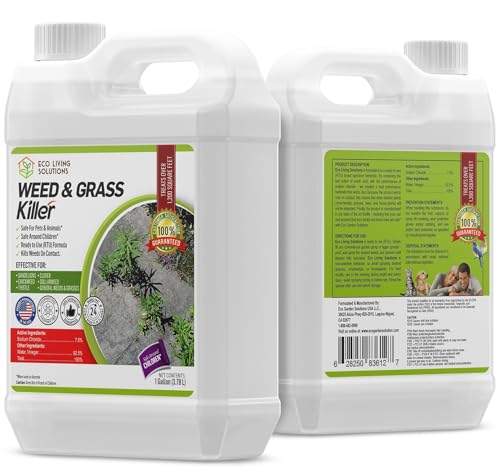
ECO Garden PRO - Organic Vinegar Weed Killer | Kid/Pet Safe | Clover Moss, Green Grass & Poison Ivy Killer for Lawns | Spray Ready Glyphosate Free Herbicide (1 Gallon)
Check price on Amazon
⚠️ Note: The purchase links above are affiliate links. As an Amazon Associate, we earn from qualifying purchases at no additional cost to you.
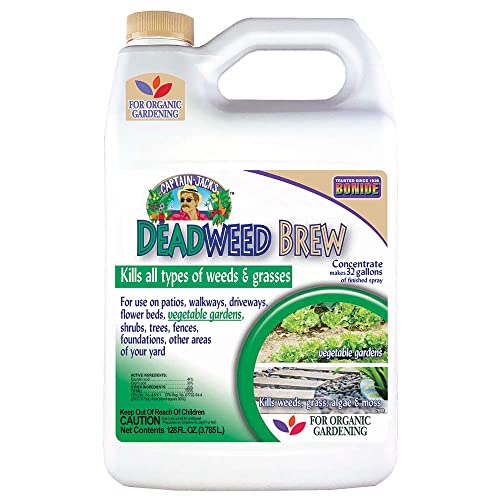
Bonide Captain Jack's Deadweed Brew, 128 oz Concentrate | For All Types of Weeds and Grasses, For Organic Gardening
Check price on Amazon
⚠️ Note: The purchase links above are affiliate links. As an Amazon Associate, we earn from qualifying purchases at no additional cost to you.

ECO Garden PRO - Organic Vinegar Weed Killer | Kid Safe Pet Safe | Clover Killer for Lawns | Moss Killer | Green Grass & Poison Ivy Killer | Spray Ready Glyphosate Free Herbicide (2 Gallons)
Check price on Amazon
⚠️ Note: The purchase links above are affiliate links. As an Amazon Associate, we earn from qualifying purchases at no additional cost to you.
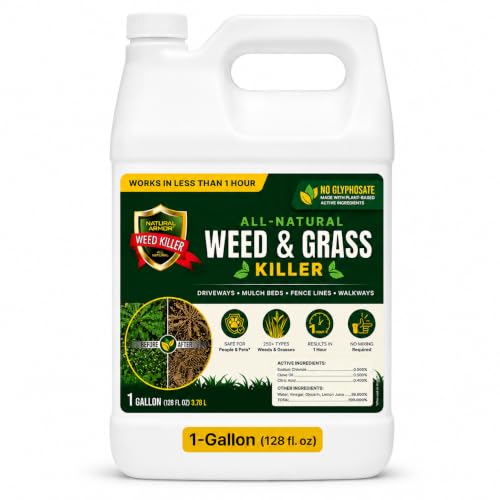
Natural Armor Weed & Grass Killer - 1 Gallon (128 oz Gallon Refill) | Works In Less Than 1-Hour Natural Weed & Grass Killer No Glyphosate
Check price on Amazon
⚠️ Note: The purchase links above are affiliate links. As an Amazon Associate, we earn from qualifying purchases at no additional cost to you.
How to Choose the Right Organic Weed Killer for Your Garden
With so many organic weed killer options on the market, selecting the right one comes down to matching the product's strengths to your specific situation. Here is a practical framework to guide your decision:
For Paths, Driveways, and Patios
Choose a non-selective contact herbicide such as horticultural vinegar (20% acetic acid) or a pelargonic acid spray. These products are designed for areas where no plants are wanted and where speed of action matters. They break down quickly and leave no harmful soil residue. Look for ready-to-use spray bottles for convenience or concentrates if you have a large area to treat.
For Lawns
You need a selective organic herbicide that targets broadleaf weeds without harming grass. Iron-based products (FeHEDTA) are the gold standard here. They are more expensive than non-selective options but are the only organic category that safely controls weeds in turf. For St. Augustine lawns specifically, our dedicated guide explains which products work best and how to apply them without damaging your grass.
For Garden Beds and Vegetable Plots
In areas where you grow food or ornamental plants, prioritize products that are approved for organic gardening and have a clear safety profile. Essential oil-based herbicides and vinegar products are suitable, but apply them carefully to avoid contact with desirable plants. Always check that the product is labeled for use around edible plants. Our organic weed killer guide and soil guides offer additional context on maintaining healthy garden soil while managing weeds.
For Pet Owners and Families
If your garden is shared with pets and children, safety is paramount. Choose products with a low toxicity profile and clear re-entry instructions. Essential oil-based weed killers and vinegar products are generally considered safer than synthetic alternatives when used as directed, but they are not completely risk-free. Keep pets and children off treated areas until the product has dried and follow all label precautions.
Frequently Asked Questions About Organic Weed Killers
What is the most effective organic weed killer?
A combination of horticultural vinegar (20% acetic acid) and a surfactant is among the most effective organic weed killers for spot treatment on paths and driveways. For larger areas and garden beds, pelargonic acid-based products provide reliable non-selective control. For lawns, iron-based selective herbicides (FeHEDTA) are the most effective organic option because they kill broadleaf weeds without harming grass.
Does vinegar really kill weeds?
Yes, but only at concentrations of 20% acetic acid or higher. Household vinegar (5%) is too weak to kill established weeds effectively. Horticultural vinegar burns foliage on contact and causes weeds to wilt and die within days, but it may not kill deep-rooted perennials, which can regrow from the root.
Are organic weed killers safe for pets and children?
Most organic weed killers are safer than synthetic herbicides, but they are not completely harmless. Vinegar and essential oils can irritate skin and eyes. Always follow label instructions, keep pets and children away from treated areas until the product has dried, and store products out of reach. Choose products labeled as pet-safe if your garden is shared with animals.
How long does it take for organic weed killer to work?
Contact-based organic weed killers like vinegar and pelargonic acid typically show visible results within 24 to 48 hours. Weeds will wilt and turn brown before dying completely within one to two weeks. For perennial weeds, you may need to reapply after new growth appears.
Can I make my own organic weed killer at home?
Yes. A common DIY recipe combines horticultural vinegar (20% acetic acid) with a few drops of liquid dish soap as a surfactant. This mixture is effective for spot treatment on small weeds and in cracks in pavement. However, DIY mixtures are generally less consistent than commercial products and require more frequent application. For best results, use them on young annual weeds and apply on a sunny, dry day.
Will organic weed killer harm beneficial insects?
Organic contact herbicides like vinegar and pelargonic acid are non-selective and can harm any insect present on treated foliage at the time of application. However, they break down quickly and leave no persistent residue, so their overall impact on beneficial insect populations is minimal compared to systemic synthetic herbicides. To protect pollinators, avoid spraying flowering weeds and apply in the early morning or evening when bees are less active.
Final Thoughts: Making Organic Weed Control Work for You
Choosing an organic weed killer is a practical step toward a safer, more sustainable garden. These products offer a way to manage unwanted plants without introducing harsh chemicals into your soil, your water supply, or your family's environment. The key is to understand their limitations: they work on contact, they are most effective on young weeds, and they require repeat applications for stubborn perennials.
By combining organic herbicides with good garden practices — mulching, proper spacing, regular manual weeding, and maintaining healthy soil — you can keep weeds under control while nurturing a garden that thrives naturally. Explore our organic weed killer guide, lawn care resources, and gardening tips for more expert advice on building a beautiful, chemical-free landscape.
Ready to take control of your weeds the organic way? Start with the right product, apply it correctly, and enjoy a garden that is both beautiful and safe for everyone who enjoys it.
