Lawn Fungus: Identification, Treatment, and Prevention Guide
Don't let lawn fungus ruin your beautiful yard. Learn to identify common turf diseases, choose the right fungicide, and implement proven prevention strategies for a healthy, green lawn all season long.
VIEW TREATMENT OPTIONSLet Gardening Help You Save Your Lawn: Lawn fungus is one of the most frustrating problems for homeowners. It can appear suddenly, spread quickly, and leave unsightly brown patches that ruin the appearance of your yard. But with the right knowledge and tools, you can effectively treat lawn fungus and prevent it from returning. This comprehensive guide covers everything you need to know about identifying common lawn diseases, choosing effective fungicides, and maintaining a healthy lawn that resists fungal infections.
What Is Lawn Fungus and Why Does It Occur?
Lawn fungus refers to a group of diseases caused by fungal pathogens that infect grass plants. These fungi are naturally present in soil and thatch, but they only become problematic when environmental conditions favor their growth. Common triggers include:
- Excessive moisture – Overwatering, poor drainage, or heavy rainfall creates the perfect environment for fungus.
- High humidity and warm temperatures – Many lawn diseases thrive in warm, humid weather.
- Poor air circulation – Shaded areas or dense thatch can trap moisture.
- Nutrient imbalances – Over-fertilizing or under-fertilizing weakens grass and makes it more susceptible.
- Improper mowing – Cutting grass too short stresses the plant and creates entry points for disease.
Understanding these factors is the first step in lawn fungus prevention. By adjusting your lawn care practices, you can significantly reduce the risk of fungal outbreaks.
Common Types of Lawn Fungus
Different fungi cause different symptoms. Here are the most common lawn diseases and how to identify them:
Brown Patch
Circular patches of brown or tan grass with a dark, "smoke ring" border. Most common in hot, humid weather. Affects fescue, ryegrass, and bentgrass.
Leaf Spot
Small brown spots roughly the size of a small coin that can merge into larger patches. Leaves have hourglass-shaped lesions. Common on bentgrass and Bermuda grass.
Fusarium Patch
Irregular brown or yellow patches that appear in cool, wet weather. Often seen on fescue and Kentucky bluegrass during spring and fall.
Red Thread
Pink or red threads extending from grass blades. Causes irregular brown patches. Common on fescue and ryegrass in cool, moist conditions.
If you're unsure which disease is affecting your lawn, consider using a lawn care guide or consulting a local extension service for proper diagnosis.
How to Treat Lawn Fungus Effectively
Once you've identified the type of fungus, it's time to take action. Here's a step-by-step approach to treating lawn fungus:
1. Adjust Your Lawn Care Routine
- Water deeply but infrequently – aim for 1 inch of water per week, including rainfall.
- Mow at the correct height for your grass type – never remove more than one-third of the blade length.
- Improve air circulation by dethatching and aerating your lawn.
- Apply the right lawn fertilizing schedule to avoid nutrient imbalances.
2. Apply a Fungicide
When cultural practices aren't enough, a fungicide can provide effective control. Here are the most common types:
| Fungicide Type | Best For | Application Tips |
|---|---|---|
| Contact Fungicide | Prevention and early-stage infections | Apply before disease appears; works on contact with the plant |
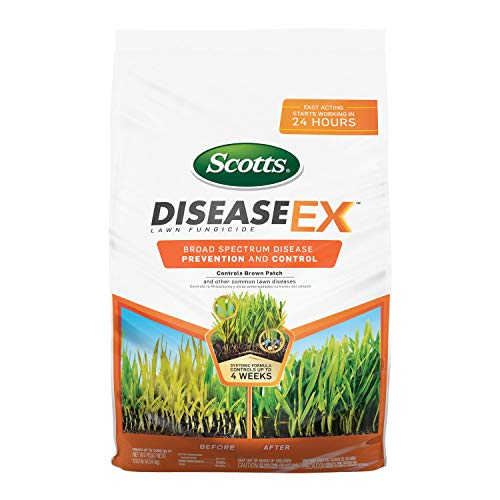
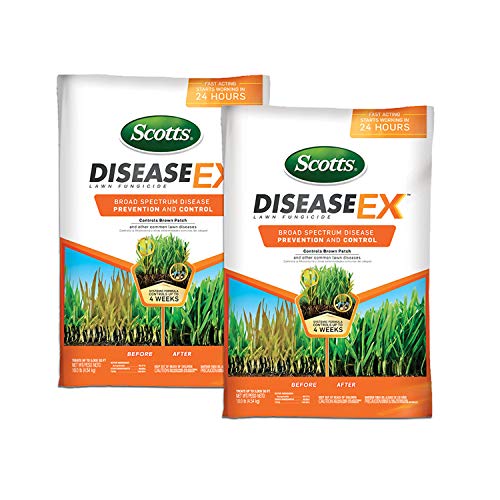
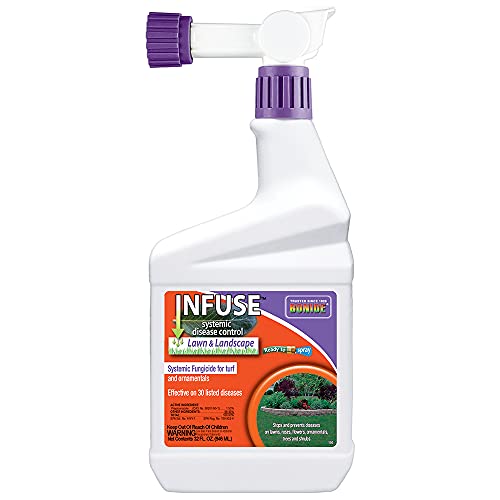
| Systemic Fungicide | Active infections and root-level control | Absorbed by the plant; provides longer-lasting protection |
| Organic Fungicide (e.g., neem oil, sulfur) | Natural control for mild to moderate infections | Safe for pets and beneficial insects; may require more frequent application |
For severe infections, a systemic fungicide is often the most effective choice. Always follow the manufacturer's instructions for mixing and application.
3. Reseed Damaged Areas
Once the fungus is under control, you'll need to repair bare or dead patches. Choose a grass seed that matches your existing lawn and is resistant to future diseases. Proper overseeding and lawn aeration can help establish healthy new growth.
Preventing Lawn Fungus Before It Starts
Prevention is always better than treatment. By following these best practices, you can create a lawn that resists fungal diseases:
Proper Watering
Water early in the morning so grass blades dry during the day. Avoid evening watering.
Correct Mowing
Keep grass at the recommended height for your variety. Sharp mower blades reduce stress.
Soil Health
Regular aeration and dethatching reduce thatch buildup and improve drainage. Apply balanced soil guides for optimal nutrition.
Fertilizer Management
Use slow-release nitrogen fertilizers. Over-fertilizing can promote disease by encouraging lush, susceptible growth.
For persistent fungal problems, you may also want to consider replacing susceptible grass varieties with more disease-resistant cultivars.
When to Call a Professional
While many lawn fungus problems can be managed with DIY methods, some situations require professional help. Consider hiring a lawn care specialist if:
- The fungus covers more than 30% of your lawn.
- You've tried treatment for several weeks with no improvement.
- The infection keeps returning despite your best efforts.
- You need a customized, year-round lawn care plan.
Professional lawn care services can provide targeted treatments and ongoing maintenance to keep your lawn healthy and fungus-free.
Frequently Asked Questions About Lawn Fungus
Can lawn fungus spread to other parts of my yard?
Yes, lawn fungus can spread through spores carried by wind, water, or equipment. It's important to treat infected areas promptly and practice good lawn hygiene to prevent spread.
Is lawn fungus harmful to humans or pets?
Most lawn fungi are not harmful to humans or pets. However, some people may experience allergic reactions to mold spores. Always use caution when applying fungicides and keep pets and children off treated areas until dry.
How long does it take to get rid of lawn fungus?
With proper treatment, you can see improvement within 1-3 weeks. Complete recovery may take several weeks to a few months, depending on the severity of the infection and the type of grass.
Can I treat lawn fungus in winter?
Most lawn fungi are dormant during winter. Treatment is most effective in spring and fall when the disease is active. However, you can apply preventive fungicides in late fall to reduce spring outbreaks.
Ready to Save Your Lawn?
Now that you know how to identify and treat lawn fungus, it's time to take action. Choose the right fungicide and lawn care products to restore your lawn to its full, healthy glory.
SHOP LAWN CARE PRODUCTS