How to Grow Cucumbers: A Complete Guide for Crisp, Abundant Harvests
Discover the secrets to growing cucumbers from seed to harvest. Learn about the best varieties, soil preparation, trellising techniques, and essential care for a bumper crop.
GET STARTED WITH CUCUMBERSWhy Grow Cucumbers? Homegrown cucumbers are incredibly crisp, flavorful, and free from the waxy coatings found on store-bought varieties. Whether you want them for fresh salads, pickling, or refreshing summer snacks, cucumbers are one of the most rewarding vegetables to grow in a home garden.
Choosing the Right Cucumber Variety
Before you plant, decide how you'll use your cucumbers. There are two main types: slicing cucumbers for fresh eating and pickling cucumbers for preserving. Understanding the difference ensures you get the texture, size, and flavor you want. For those looking to maximize space, vertical vegetable gardening is perfect for vining types.
Slicing Cucumbers
These are long, smooth-skinned, and typically eaten fresh. Varieties like 'Marketmore 76' and 'Straight Eight' are reliable, disease-resistant choices for the home garden. They grow best on a trellis to keep fruit straight.
Pickling Cucumbers
Shorter, blockier, and with thin, bumpy skin that absorbs brine perfectly. 'Boston Pickling' and 'National Pickling' are classic heirlooms. Harvest them when they're small and firm for the crunchiest pickles.
Bush Varieties
Ideal for containers and small spaces, bush cucumbers like 'Bush Champion' grow in a compact mound. They're excellent for a sunny patio, but still benefit from a small cage for support.
Soil Preparation and Planting
Cucumbers thrive in warm, well-drained soil rich in organic matter. Work plenty of compost into your raised bed soil mix or garden bed before planting. Since they are heavy feeders, a balanced, slow-release fertilizer mixed into the soil at planting time sets the stage for vigorous growth.
- 1. Timing is Everything Wait until the danger of frost has passed and soil temperatures reach at least 70°F. In many regions, this is 2-3 weeks after the last spring frost. For an earlier start, use seed starting techniques indoors.
- 2. Direct Sowing or Transplanting Sow seeds 1 inch deep, either in mounds (hills) spaced 3 feet apart, or in rows. If you started seeds indoors, harden them off before transplanting seedlings to avoid shock.
- 3. Spacing Space plants 12-18 inches apart for trellised vines, or 3 feet apart for bush varieties. Proper spacing ensures good air circulation and reduces disease risk.
Pro Tip: Plant radishes alongside your cucumbers. They mature quickly, mark the row, and can help deter cucumber beetles naturally.
The Importance of Trellising
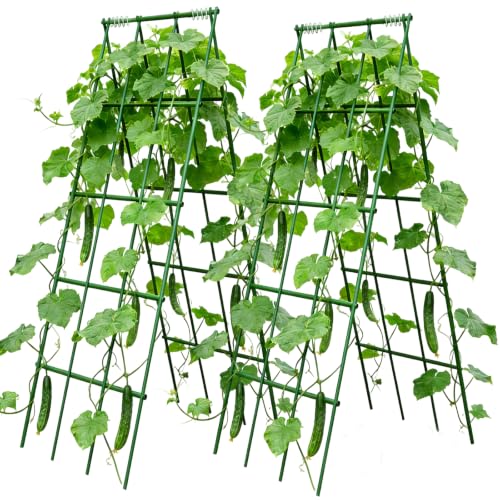
While you can let cucumbers sprawl on the ground, growing them vertically on a sturdy trellis is a game-changer. It dramatically improves air flow, making fungal diseases like powdery mildew less likely. It also keeps the fruit straight and makes harvesting a breeze. This method aligns perfectly with square foot gardening principles. A simple A-frame trellis or cattle panel arch works beautifully for vining cucumbers.
Watering and Fertilizing for Maximum Yield
Consistent moisture is the key to sweet, crisp cucumbers. Irregular watering leads to bitter-tasting fruit. Aim for deep, consistent watering sessions, providing about 1-2 inches per week. Using a drip irrigation system or a soaker hose delivers water directly to the roots and keeps the leaves dry.
Once the plants begin to flower and set fruit, side-dress them with a nitrogen-rich fertilizer or compost tea. A well-balanced feeding schedule, similar to what's used in a vegetable garden, will fuel continuous production. Be careful not to over-fertilize with nitrogen, as this can lead to lush foliage but few flowers.
Common Pests and Diseases
Cucumbers are susceptible to a few key pests and diseases. Early identification and action are crucial. Common pests include cucumber beetles, aphids, and spider mites. For safe and effective solutions, explore natural pest control methods like neem oil or insecticidal soap. Diseases like powdery mildew and bacterial wilt can be minimized by choosing resistant varieties and practicing crop rotation. Avoid working in the garden when leaves are wet.
Encouraging beneficial insects by planting pollinator-friendly flowers nearby is another excellent strategy. Learning about companion planting with flowers can naturally reduce pest pressure.
Harvesting Your Cucumbers
Knowing when to harvest vegetables is essential for peak flavor. Cucumbers grow fast, often ready just 8-10 days after flowering. Pick slicing cucumbers when they reach 7-9 inches long and are uniformly green. Pickling cucumbers should be harvested at 2-5 inches. Use a sharp knife or pruners to cut the stem, rather than pulling on the vine. Check your plants daily, as oversized cucumbers become seedy and bitter, and leaving them on the vine signals the plant to stop producing.
For a continuous harvest throughout the season, consider succession planting. By planting a new round of seeds every 3-4 weeks, you'll enjoy a steady supply of fresh cucumbers from early summer until the first frost.