Sprinkler Install: Complete Guide to a Lush, Self-Watering Lawn
A well-planned sprinkler installation transforms lawn care from a daily chore into an automated, water-efficient system. This guide walks you through every phase — from design and permits to trenching, piping, and programming your controller — so you can decide whether to tackle the project yourself or hire a pro with confidence.
SHOP SPRINKLER SUPPLIESWhy Sprinkler Install Matters: A professionally planned irrigation system delivers consistent moisture to every zone of your lawn, reduces water waste through targeted coverage, and saves you hours of manual watering each week. Whether you choose a DIY approach or professional underground sprinkler system installation near me, understanding the process helps you make smarter decisions about equipment, placement, and long-term maintenance.
Planning Your Sprinkler System Before You Dig
1. Assess Your Lawn's Water Needs and Layout
Every successful sprinkler install begins with a thorough site assessment. Measure your lawn's square footage, note sun exposure patterns, identify slopes that affect water runoff, and map out planting beds, walkways, and structures that need to be avoided during trenching.
Different areas of your yard may require different watering strategies. A sunny front lawn might need full-coverage rotary heads, while shaded borders may thrive with drip lines. Grouping plants with similar water needs into the same irrigation zone is the foundation of an efficient system.
2. Check Local Codes and Secure Permits
Most municipalities require a permit for connecting an irrigation system to your municipal water supply. A backflow prevention device is almost always mandatory to protect drinking water from contamination. Contact your local building department before purchasing any equipment — permit requirements vary significantly by region and can affect the type of valves and connections you need.
If your property uses a well, consult a water specialist to confirm your pump can handle the additional demand of an irrigation system without compromising household water pressure.
3. Design Zones and Choose Sprinkler Heads
A sprinkler install design divides your lawn into zones, each controlled by a single valve. Zones are sized based on water pressure and flow rate (measured in gallons per minute). A typical residential zone handles 8 to 12 sprinkler heads, but this depends on your specific psi and gpm readings.
Choose sprinkler head types based on zone shape and plant type:
- Rotary heads — best for large, open lawns; they deliver water slowly to prevent runoff.
- Fixed spray heads — ideal for small, irregular areas and flower beds.
- Drip emitters — perfect for garden beds, shrubs, and container plants; they deliver water directly to the root zone.
- Bubblers — suited for trees and large shrubs that need deep, localized watering.
For homeowners exploring broader lawn care upgrades alongside irrigation, our sprinkler systems overview covers controller options and smart timers that pair well with any new installation.
Step-by-Step Sprinkler Installation Process
Step 1: Tap Into the Water Supply
The main connection point is critical. Most installations tap into the household water line after the meter, installing a backflow preventer and a main shutoff valve. This step often requires a licensed plumber, especially in jurisdictions with strict codes. Use a compression tee or a saddle valve depending on your pipe material (copper, PEX, or PVC).
Step 2: Trenching the Yard
Trenching is the most labor-intensive phase of a sprinkler install. Pipes should be buried 6 to 12 inches deep — deeper in cold climates to stay below the frost line. Trenchers can be rented from most equipment depots, but for small yards a manual edger or spade may suffice. Keep trenches narrow (4 to 6 inches) to minimize lawn damage, and backfill carefully once piping is laid.
If your property has significant slopes or drainage challenges, review our drainage solutions guide to ensure water flows away from foundations rather than pooling.
Step 3: Lay Pipe and Install Valves
Use PVC pipe for main lines and polyethylene (poly) tubing for lateral lines to each zone. Install a manifold valve box near the water source, housing each zone's control valve. Flush the lines thoroughly before attaching sprinkler heads — debris in the lines is one of the most common causes of clogged or malfunctioning heads.
Install a drain valve at the low point of each zone to allow winterization, or plan to blow out the system with compressed air before the first freeze.
Step 4: Position and Connect Sprinkler Heads
Set each head at the correct height relative to the finished grade — rotary heads typically sit flush or slightly below grade, while pop-up spray heads should rise 4 to 6 inches above the soil when activated. Use flexible swing joints to allow for minor adjustments after installation. Aim heads carefully to avoid overspray onto sidewalks, driveways, and house siding.
Step 5: Wire the Controller and Program Zones
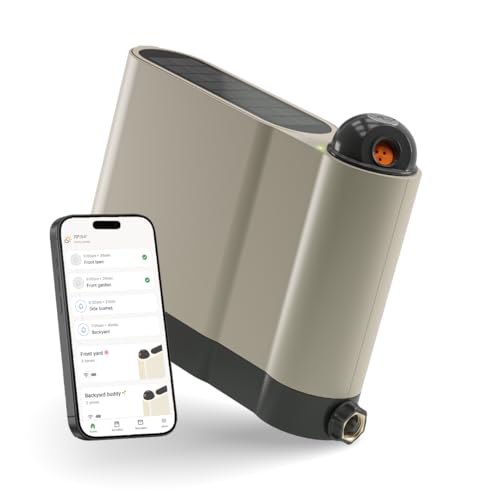
Run low-voltage wire from the controller to each zone valve. Mount the controller near an electrical outlet and program each zone with appropriate run times. Smart controllers that adjust based on local weather data can reduce water usage significantly compared to traditional timers. Test each zone individually, checking for coverage gaps, leaks, and proper head rotation.
DIY vs Professional Sprinkler Installation
Choosing between a DIY sprinkler install and hiring a professional depends on your comfort with plumbing, trenching, and electrical work. The table below outlines the key differences to help you decide.
| Factor | DIY Installation | Professional Installation |
|---|---|---|
| Skill Required | Moderate to high — plumbing, electrical, and excavation | Minimal — contractor handles all phases |
| Time Commitment | Several weekends for an average residential yard | 1 to 3 days for most residential properties |
| Equipment Needs | Trencher rental, pipe cutters, wire strippers, testing tools | Contractor supplies all equipment |
| Permit Handling | Homeowner responsible for permits and inspections | Contractor typically manages permits |
| Warranty | Manufacturer warranties on individual parts only | Often includes workmanship warranty on the full system |
| Typical Tier | Budget-friendly for skilled homeowners | Premium — includes labor, materials, and guarantees |
If you are evaluating the financial scope of a professional project, our sprinkler system installation cost breakdown helps clarify what factors drive the total investment — including yard size, soil type, and system complexity.
Essential Equipment for Every Sprinkler Install
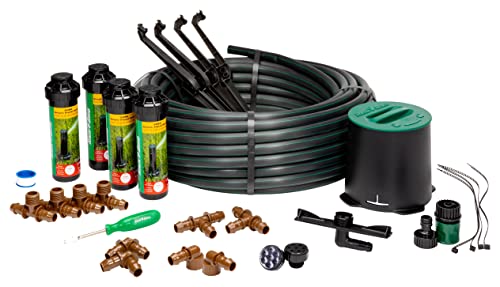
Gathering the right tools and components before you begin saves repeated trips to the hardware store and keeps the project on schedule. The core equipment list includes:
- Backflow preventer — required by code in most areas; protects potable water
- PVC pipe and fittings — main line; use primer and cement for solvent-welded joints
- Poly tubing — flexible lateral lines to each sprinkler head
- Zone control valves — one per zone; solenoid-operated for controller compatibility
- Sprinkler heads — rotary, spray, drip, or bubbler depending on zone needs
- Valve boxes — protect valves and wiring from weather and damage
- Controller and low-voltage wire — programmable timer and direct-burial wire
- Pressure gauge — verify system pressure matches design specs
- Trencher or edger — for clean, consistent depth
For homeowners also maintaining a healthy lawn after installation, a quality starter fertilizer for grass helps new growth establish in areas disturbed during trenching.
Ready to Build Your Sprinkler System?
Explore our curated selection of controllers, valves, sprinkler heads, and installation tools — all available through trusted retail partners.
VIEW RECOMMENDED PRODUCTSFrequently Asked Questions About Sprinkler Install
How deep should sprinkler pipes be buried?
Sprinkler pipes should typically be buried 6 to 12 inches below the surface, depending on your local frost line. In colder climates, bury them below the frost line to prevent freezing and cracking.
Can I install a sprinkler system myself?
Yes, many homeowners successfully complete a DIY sprinkler install. However, it requires careful planning, proper permits, and an understanding of local plumbing codes. Hiring a professional is recommended for complex layouts or if you are unsure about connecting to your main water line.
What is the best time of year to install a sprinkler system?
The best time is typically spring or early fall when the ground is workable but not frozen. Avoid installing during extreme heat or drought conditions, as newly installed systems need to be tested and the lawn needs time to recover from trenching.
How many sprinkler heads can one zone support?
Most residential zones support 8 to 12 sprinkler heads, but the exact number depends on your water pressure (psi) and flow rate (gpm). Rotary heads typically use less water per minute than fixed spray heads, allowing more heads per zone. Always calculate based on the manufacturer's flow specifications.
Do I need a permit for sprinkler installation?
Most municipalities require a permit when connecting an irrigation system to the municipal water supply, and a backflow prevention device is usually mandatory. Check with your local building department before purchasing equipment or beginning excavation.
Continue Building Your Dream Landscape
A sprinkler system is just one component of a comprehensive outdoor improvement plan. Once your irrigation is running, consider enhancing your property with hardscaping elements like stone walkways and retaining walls, or add relaxing features such as water features that complement the lush, healthy lawn your new sprinklers will sustain. Homeowners planning a complete outdoor upgrade often combine irrigation with low-maintenance landscaping ideas for the front of the house to create a cohesive, curb-appealing design.