Garden Carts: The Ultimate Buyer's Guide & Top Picks
Let gardening be easier and more efficient. A quality garden cart is an essential tool for any serious gardener. Discover the best options to move soil, plants, and tools with ease.
SHOP TOP GARDEN CARTSWhy a Garden Cart? If you're tired of straining your back with a wheelbarrow or making multiple trips carrying heavy bags of soil, a garden cart is the solution. Whether you're landscaping a new backyard, hauling compost from your compost bins, or moving plants from the greenhouse, a garden cart saves time and energy. In this guide, we'll explore the types of carts available, key features to look for, and our top recommendations to suit your gardening needs.
Types of Garden Carts & Their Uses
🥇 Utility Carts
Versatile and sturdy, utility carts are ideal for hauling soil, mulch, plants, and tools. Look for models with a large capacity (5-10 cubic feet) and a weight rating of 300-600 lbs. Perfect for routine gardening and DIY garden beds.
🌾 Dump Carts
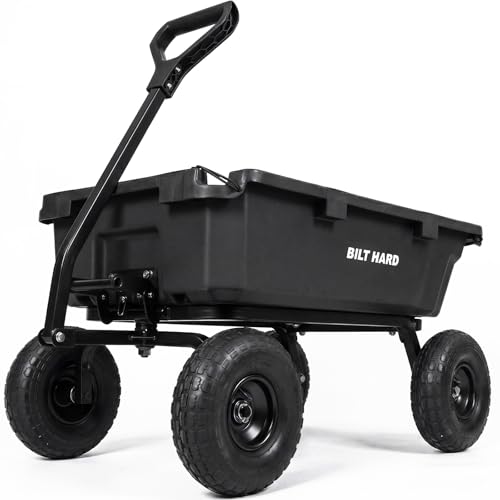
Dump carts feature a tilting bed for easy unloading. They are excellent for moving bulk materials like gravel, sand, or compost. The dump feature is also handy for spreading mulch or soil around your raised bed plans.
💧 Tow-Behind Carts
For larger properties, tow-behind carts attach to your lawn tractor or ATV. These heavy-duty carts can carry up to 1,000+ lbs, making them ideal for large landscaping projects, firewood, or moving multiple bags of raised bed soil mix.
🌿 Garden Carts with Removable Sides
These versatile carts allow you to convert from a flatbed to a traditional cart. Use the flatbed for moving large pots, garden arbors, or even a patio conversation set around the yard.
What to Look for in a Garden Cart
Choosing the right garden cart can be overwhelming. Here are the most critical features to consider to ensure you get the best tool for your garden.
- Capacity & Weight Rating: Consider the heaviest loads you plan to carry. For most homeowners, a cart with a 300-600 lb capacity is sufficient. For heavy-duty tasks, look for 800+ lbs.
- Material & Durability: Look for a steel frame with a powder-coated finish to resist rust. The bed is often made of durable polyethylene or heavy-duty steel. Pneumatic tires offer better shock absorption and traction on uneven terrain.
- Wheels & Maneuverability: Larger wheels (10-16 inches) roll more smoothly over rough ground and grass. Some models feature a swivel front wheel for better steering, similar to a garden cart with a steering axle.
- Handle Design: An ergonomic handle with a comfortable grip is crucial. Some carts have a handle that can be adjusted for different heights or even flipped to pull or push the cart.
- Storage & Assembly: Check if the cart folds for easy storage. Also, read reviews about the ease of assembly – some carts require significant assembly time and tools.
Investing in a high-quality garden cart is like adding an extra pair of hands to your gardening tips toolkit. It reduces physical strain, increases efficiency, and allows you to focus on the enjoyable parts of spring gardening and summer gardening without the backache.
Benefits of Using a Garden Cart
Beyond just moving heavy items, a garden cart offers numerous advantages that can transform your gardening experience.
- Ergonomics: Carts distribute weight more evenly than a wheelbarrow, reducing strain on your arms, shoulders, and back. This is especially important when moving loads like garden hoses, watering cans, or heavy bags of fertilizer.
- Versatility: Use it to haul tools, plants, and supplies from the garden shed to your work area. Also perfect for collecting leaves, debris, or even transporting your outdoor living accessories.
- Efficiency: Make fewer trips and move more material at once, saving you valuable time. This is crucial when you're preparing for a first garden plan or tackling a major landscaping project.
By selecting the right cart and using it correctly, you'll wonder how you ever gardened without one. Many of our readers who start with a gardening for beginners kit find a cart to be one of their best early investments.
🌟 Pro Tip from Let Gardening
To extend the life of your garden cart, clean it after each use, especially if you've been hauling wet soil or manure. Store it in a dry place, like a garden shed, to prevent rust and tire degradation. Regularly check the tire pressure for smooth rolling. For a complete list of tool storage ideas, visit our dedicated guide.
Garden Cart vs. Wheelbarrow: Which is Right for You?
While both are essential for moving materials, they serve different purposes. A wheelbarrow is great for smaller, heavier loads like concrete or dense soil, and it's easier to maneuver in tight spaces. However, a garden cart excels in carrying larger, lighter loads such as leaves, mulch, or plants. For most home gardeners, having both is ideal, but if you had to choose one, a garden cart is often more versatile for routine gardening tips and landscaping tasks. If you're looking for a high-quality cart, check out our recommended products below.
Safety & Maintenance Tips
Always follow the manufacturer's weight limit to avoid tipping or damaging the cart. When loading, place heavier items at the bottom and center for stability. On slopes, move with caution. Regularly inspect tires, nuts, and bolts, and lubricate moving parts. A well-maintained cart will serve you for many years of year-round garden care.
For those who love DIY, you can even build your own cart. Our DIY garden beds section has ideas that can extend to custom garden carts.