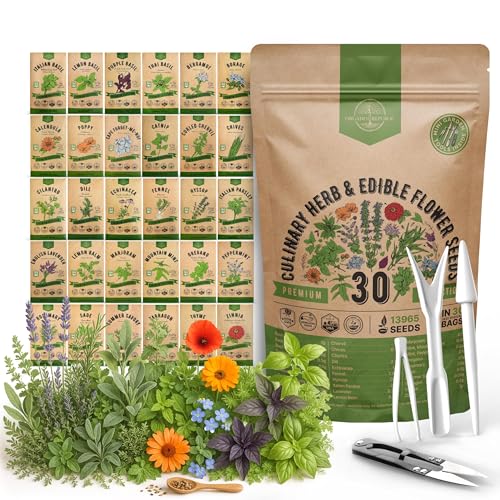
Culinary Herbs: Grow, Harvest & Cook with Flavorful Herbs
Transform your cooking and your garden with homegrown culinary herbs. From fragrant basil and rosemary to fresh cilantro and mint, discover how to cultivate a thriving herb garden that supplies your kitchen year-round.
START YOUR HERB GARDENWhy Grow Culinary Herbs? Fresh herbs elevate everyday meals with vibrant flavor and aroma that dried herbs simply cannot match. Whether you have a sprawling backyard, a sunny balcony, or just a kitchen windowsill, culinary herbs are among the most rewarding plants you can grow. They are generally low-maintenance, fast-growing, and offer a continuous harvest throughout the season. This guide walks you through selecting the right herbs for your climate and cooking style, planting and caring for them properly, harvesting at peak flavor, and preserving your bounty. By the end, you will have everything you need to grow herbs with confidence and cook with them creatively.
Types of Culinary Herbs: Find Your Perfect Match
Culinary herbs fall into a few broad categories based on their growing habits, climate preferences, and how they are used in the kitchen. Understanding these groups helps you plan a garden that suits your space and cooking needs. Below is a breakdown of the most popular culinary herbs, organized by difficulty tier so you can choose varieties that match your experience level.
Basil
Entry-LevelThe quintessential summer herb, basil thrives in warm weather and full sun. Sweet basil is perfect for pesto, caprese salads, and Thai dishes. Pinch off flower buds to keep leaves tender and flavorful. Water consistently and provide at least six hours of sunlight daily.
Learn about herb garden design →Rosemary
Mid-TierA woody Mediterranean perennial with a piney, robust flavor that pairs beautifully with roasted meats and potatoes. Rosemary prefers well-draining soil and plenty of sun. It is drought-tolerant once established but sensitive to overwatering. In cold climates, grow it in containers and bring indoors for winter.
Container herb care tips →Thyme
Entry-LevelA versatile, low-growing herb with earthy, slightly floral notes. Thyme is excellent in soups, stews, and roasted vegetables. It thrives in poor to average soil and full sun, making it ideal for rock gardens or border edges. Varieties range from common thyme to lemon thyme, each with a distinct aroma.
Design your herb garden →Mint
Entry-LevelVigorous and nearly foolproof, mint spreads aggressively and is best grown in containers to keep it contained. Spearmint and peppermint are the most common culinary varieties, ideal for teas, cocktails, and desserts. Mint prefers moist soil and partial shade but adapts to most conditions.
More culinary herb guides →Parsley
Entry-LevelA biennial herb grown as an annual in most gardens, parsley offers flat-leaf (Italian) and curly varieties. Flat-leaf parsley has superior flavor for cooking, while curly parsley shines as a garnish. It tolerates partial shade and prefers rich, moist soil. Soak seeds before planting to speed germination.
Plan your herb garden →Cilantro
Mid-TierFast-growing and quick to bolt in heat, cilantro requires succession planting every few weeks for a steady supply. Both the leaves (cilantro) and seeds (coriander) are used in cooking. It prefers cooler weather and partial shade, making it ideal for spring and fall gardens.
Explore culinary herb guides →Oregano
Entry-LevelA hardy Mediterranean perennial with a bold, peppery flavor essential in Italian and Mexican cuisines. Oregano thrives in well-draining soil and full sun. Its flavor intensifies when dried, making it a pantry staple. Trim regularly to prevent woodiness and encourage fresh growth.
Herb garden design ideas →Sage
Mid-TierA perennial herb with velvety, gray-green leaves and a robust, savory flavor. Sage pairs wonderfully with poultry, pork, and winter squash. It prefers well-draining soil and full sun, and benefits from annual pruning to maintain shape and vigor. In humid climates, ensure good air circulation to prevent mildew.
Herb garden layouts →Culinary Herbs at a Glance: Comparison Table
Use this quick-reference table to compare the most common culinary herbs by their growing requirements and kitchen uses. The tier classifications below reflect relative difficulty and maintenance needs, not price.
| Herb | Type | Sun Needs | Water Needs | Difficulty Tier | Best Uses |
|---|---|---|---|---|---|
| Basil | Annual | Full sun | Moderate | Entry-Level | Pesto, salads, Thai dishes |
| Rosemary | Perennial | Full sun | Low | Mid-Tier | Roasted meats, breads, oils |
| Thyme | Perennial | Full sun | Low | Entry-Level | Soups, stews, roasted vegetables |
| Mint | Perennial | Partial shade | Moderate to high | Entry-Level | Teas, cocktails, desserts |
| Parsley | Biennial | Full sun to partial shade | Moderate | Entry-Level | Garnishes, salads, sauces |
| Cilantro | Annual | Partial shade | Moderate | Mid-Tier | Salsas, curries, garnishes |
| Oregano | Perennial | Full sun | Low | Entry-Level | Pizza, pasta, Mexican dishes |
| Sage | Perennial | Full sun | Low | Mid-Tier | Poultry, pork, winter squash |
| Tarragon | Perennial | Full sun | Moderate | Premium | Béarnaise sauce, chicken, fish |
| Chives | Perennial | Full sun to partial shade | Moderate | Entry-Level | Garnishes, baked potatoes, eggs |
Gardening Tip: Mediterranean herbs like rosemary, thyme, oregano, and sage share similar needs: well-draining soil, full sun, and infrequent watering. Group them together in a dedicated "Mediterranean zone" of your garden. Moisture-loving herbs like mint and parsley do better in separate beds or containers. If you are designing a dedicated herb space, our herb garden design guide walks you through layout options, companion planting, and container arrangements.
How to Plant Culinary Herbs for a Thriving Garden
Choosing the Right Location
Most culinary herbs need at least six hours of direct sunlight daily. Observe your yard or balcony throughout the day to identify the sunniest spots. Kitchen gardens work best when located close to the house for easy access during cooking. If you are short on garden space, consider a DIY raised garden bed or a collection of containers on a patio. Raised beds offer excellent drainage and make it easier to control soil quality, which is especially important for Mediterranean herbs that resent soggy roots.
Soil Preparation and Drainage
Good drainage is the single most important factor for healthy culinary herbs. Most herbs dislike waterlogged roots, which leads to rot and disease. Amend heavy clay soil with compost and coarse sand, or grow herbs in raised beds and containers where you can fully control the growing medium. A simple mix of two parts quality potting soil, one part compost, and one part perlite works well for container herbs. For in-ground planting, incorporate several inches of organic matter into the top layer and ensure the bed slopes slightly to shed excess water. If you plan to build a dedicated bed, see our guide to raised garden bed ideas for inspiration on materials and layouts.
Starting Herbs from Seed vs. Transplants
Some herbs, like basil, cilantro, and parsley, are easy to start from seed indoors or directly in the garden. Others, like rosemary and tarragon, are slow to germinate and are best purchased as young transplants or propagated from cuttings. If you are new to seed starting, begin with fast germinators like basil and chives. For a more detailed walkthrough, our greenhouse gardening guide covers protected seed-starting techniques that give tender herbs a head start in cooler climates.
Container Herb Gardening
Containers give you total control over soil, drainage, and placement. They are ideal for gardeners with limited space, poor native soil, or harsh climates. Use pots with drainage holes and choose a quality potting mix rather than garden soil, which compacts in containers. Mint should always be grown in containers because it spreads aggressively via runners and will overtake a garden bed. Rosemary, thyme, and sage also perform well in pots and can be moved indoors during winter in cold regions. For more on container gardening, see our guides on hanging plants that don't need a lot of light and how to look after a lavender plant in a pot.
Caring for Culinary Herbs Throughout the Season
Watering Best Practices
Watering is where most herb gardeners go wrong. The instinct to water frequently can drown Mediterranean herbs. Instead, water deeply but infrequently, allowing the top inch or two of soil to dry out between waterings. Basil, mint, and parsley prefer consistently moist (not soggy) soil, while rosemary, thyme, oregano, and sage thrive on the dry side. When in doubt, check the soil with your finger before watering. A garden sprinkler can work for large herb beds, but drip irrigation or hand watering is preferable because it targets the roots and keeps foliage dry, reducing disease risk.
Fertilizing Herbs
Culinary herbs generally need less fertilizer than vegetables or flowers. Too much nitrogen produces lush, leafy growth at the expense of flavor and essential oil concentration. A light application of compost at planting time is usually sufficient for in-ground herbs. Container herbs benefit from a diluted liquid fertilizer every four to six weeks during the growing season. Avoid overfeeding, which can make herbs like basil and parsley bland and watery. For more on feeding schedules and organic options, see our guide to composting and compost bins.
Pruning and Pinching
Regular pruning keeps culinary herbs productive and flavorful. Pinch off the top set of leaves on basil every few weeks to encourage branching and prevent flowering. Once basil flowers, leaf production slows and flavor turns bitter. For woody herbs like rosemary and sage, prune lightly in spring to shape the plant and remove dead growth, but avoid cutting into old wood that may not regrow. Thyme and oregano benefit from a trim after flowering to maintain compact growth. Always use clean, sharp tools. Our hedge trimmer guide covers tool maintenance, and our gardening tools guide reviews essential pruners and snips for herb care.
Pest and Disease Management
Culinary herbs are relatively pest-resistant thanks to their aromatic oils, but they are not immune. Aphids, spider mites, and whiteflies can attack indoor and container herbs. Keep plants well-ventilated and avoid overhead watering to prevent fungal issues like powdery mildew and root rot. For natural pest control, encourage beneficial insects and use insecticidal soap or neem oil sparingly, and always wash herbs thoroughly before eating. Companion planting with flowers that attract beneficial insects—such as those listed in our butterfly plants guide—can help keep pest populations in check. If you are growing herbs in containers near a deck or patio, our hanging plants that attract hummingbirds and butterflies guide offers ideas for pollinator-friendly companion plantings.
Harvest Tip: Never harvest more than one-third of a herb plant at a time. This leaves enough foliage for the plant to continue photosynthesizing and recovering. For annual herbs like basil and cilantro, frequent harvesting actually stimulates new growth and extends the harvest season. For perennial herbs like thyme and oregano, lighter, regular trims keep plants vigorous without exhausting them.
Harvesting and Preserving Culinary Herbs
When and How to Harvest
Harvest herbs in the morning after dew has dried but before the sun is at its strongest. At this time, essential oil concentrations are highest, giving you the most flavorful leaves. Use sharp scissors or snips to cut stems cleanly. For basil, cut just above a leaf node so the plant branches out. For parsley and cilantro, cut outer stems first, allowing the center to continue producing. For thyme and rosemary, snip individual sprigs rather than shearing the whole plant. Regular harvesting keeps plants tidy and productive throughout the growing season.
Preserving Your Harvest
When you have more herbs than you can use fresh, preserving extends their usefulness. Air-drying works well for rosemary, thyme, oregano, and sage—bundle stems, tie with string, and hang in a warm, dark, well-ventilated space until crisp. Basil is better preserved by freezing: chop leaves, blend with olive oil, and freeze in ice cube trays for easy addition to sauces and soups. Parsley, cilantro, and chives lose flavor when dried, so freezing or using them fresh is preferable. Store dried herbs in airtight containers away from light and heat. For a deeper dive into preserving your garden's bounty, our composting guide and compost tumbler reviews cover how to recycle spent plant material back into your garden.
Using Fresh Herbs in the Kitchen
Fresh herbs are remarkably versatile. Delicate herbs like basil, cilantro, parsley, and mint are best added at the end of cooking or used raw to preserve their volatile oils and bright flavor. Hardy herbs like rosemary, thyme, sage, and oregano can withstand longer cooking times and are ideal for roasting, braising, and infusing oils. Combine herbs thoughtfully—classic pairings include basil with tomatoes, rosemary with lamb, sage with poultry, and mint with peas or fruit. Beyond cooking, herbs can be used to make teas, vinegars, herb butter, and flavored salts. If you are interested in expanding your edible garden, our edible flowers guide and medicinal plants guide explore other flavorful and useful plants you can grow at home.
Growing Culinary Herbs Indoors Year-Round
You do not need a large outdoor garden to enjoy fresh herbs. Many culinary herbs thrive indoors on a sunny windowsill or under grow lights. Choose compact, dwarf varieties suited to container life. South- or southwest-facing windows provide the most light; rotate pots regularly so plants grow evenly. Basil, mint, parsley, chives, and thyme are reliable indoor performers. Avoid placing herbs near heating vents or drafty windows, and reduce watering in winter when growth slows. If natural light is limited, supplement with a full-spectrum LED grow light for 12–14 hours daily. Indoor herbs are less likely to suffer from outdoor pests, but watch for fungus gnats from overly wet soil and spider mites in dry indoor air. Our guides on house plants that don't need a lot of sun and big plants that don't need a lot of light offer additional indoor growing strategies that apply to low-light herb varieties like mint and parsley.
Frequently Asked Questions About Culinary Herbs
Explore More Gardening Guides
Expand your knowledge with these related guides on gardening tools, plant care, and outdoor living.
- Herb Garden Design Ideas
- Culinary Herbs Guide
- Essential Gardening Tools
- Composting for Herb Gardens
- Compost Bins Review
- DIY Garden Beds
- Raised Garden Bed Ideas
- Hanging Plants for Pollinators
- Butterfly Plants Guide
- Edible Flowers Guide
- Medicinal Plants Guide
- Garden Sprinklers Guide
- Hedge Trimmers Guide
- Greenhouse Gardening
- Low-Light House Plants
- Big Plants for Low Light
- Lavender in Pots Care
- Container Plants for Pollinators