The Ultimate Guide to Growing Eggplant for a Homegrown Harvest
Unlock the secrets to cultivating tender, flavorful eggplants right in your backyard. From selecting the perfect variety to mastering soil warmth and defeating common pests, this comprehensive guide gives you the confidence to grow a crop that transforms your summer meals.
GET STARTED TODAYWhy Trust This Eggplant Guide? Eggplants are a warm-season staple that rewards patient gardeners with incredible yields. They demand heat, consistent moisture, and rich soil. Whether you're working with a spacious raised bed or large containers on a sunny patio, the techniques below are designed to eliminate confusion and set you up for success. By the end, you’ll know exactly which tools and supplies will make your eggplant journey effortless.
Selecting the Best Eggplant Variety for Your Garden
Not all eggplants are created equal. The classic large, oval 'Black Beauty' is reliable, but smaller-fruited types often mature faster and have fewer seeds. Italian varieties like 'Rosa Bianca' offer creamy flesh, while long, slender Asian eggplants such as 'Ping Tung' are exceptionally tender and perfect for stir-fries. If you are short on space, compact cultivars bred for containers will thrive on a sunny deck.
Classic Globe
Black Beauty — The standard market variety with deep purple-black skin. Needs a long, hot season. Harvest at 4-5 inches for best texture.
Italian Heirloom
Rosa Bianca — A stunning lavender-and-white fruit with mild, sweet flesh that never turns bitter, even in high heat.
Asian Slender
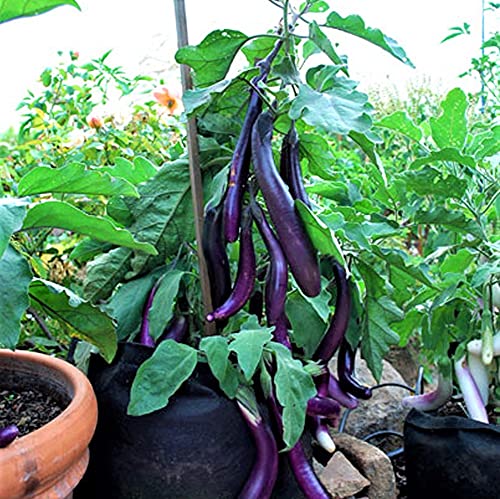
Ping Tung Long — Deep purple, 12-inch fruits that are thin-skinned and quick to cook. Extremely productive in warm climates.
Container Favorite
Patio Baby — A compact, spineless plant that produces mini 2-3 inch eggplants. Perfect for pots and short growing seasons.
For gardeners looking to diversify their vegetable plot, eggplants pair beautifully with other warm-season companions. Consider integrating them into your overall vegetable garden plan. Their upright growth habit also makes them an excellent candidate for raised bed plans, where you can carefully control the rich soil they crave.
How to Start Eggplants from Seed to Transplant
Eggplants need a head start, especially in regions with short summers. Begin indoors 8–10 weeks before your last expected frost date. Seeds germinate best with consistent warmth; a heat mat set to 80–85°F dramatically improves success. Use a sterile seed-starting mix, sow seeds ¼ inch deep, and keep the medium evenly moist.
- Provide Strong Light: The moment seedlings emerge, place them under bright grow lights for 14–16 hours daily. Keep lights 2–3 inches above the leaves to prevent leggy growth.
- Pot Up Once: When seedlings develop two sets of true leaves, transplant them into 4-inch pots filled with high-quality potting mix. This encourages a robust root system.
- Harden Off Gradually: About 7–10 days before planting outside, slowly expose seedlings to outdoor conditions. Start with an hour of dappled shade and increase sun exposure daily.
- Warm Soil is Mandatory: Don't rush planting. Eggplants sulk and growth stalls if soil temperature is below 65°F. Wait until nighttime temperatures are reliably above 55°F.
Mastering the art of seed starting gives you access to a wider world of varieties than nursery starts can offer. Once your seedlings are vigorous and the weather settles, careful transplanting with minimal root disturbance ensures they take off quickly in the garden.
Soil Preparation, Spacing, and Ongoing Care
Eggplants are heavy feeders that demand nutrient-dense, well-draining soil. Before planting, work 2–3 inches of aged compost into the top 6–8 inches of your bed. A slightly acidic to neutral pH between 5.8 and 6.8 is ideal. Applying a balanced, slow-release organic fertilizer at planting time supports steady growth through the long season.
Space plants 18–24 inches apart in rows 30–36 inches apart. Immediately after placing them in the ground, water deeply with a diluted liquid seaweed solution to reduce shock. Most eggplant varieties benefit from staking or caging early; drive a sturdy stake next to each plant to support the heavy fruit load later. A thick 2-inch layer of straw mulch retains moisture, suppresses weeds, and keeps the root zone cool once summer heat arrives. Consistent watering is critical—aim for 1–1.5 inches of water per week, ideally delivered through a gentle soaker hose to avoid wetting the foliage.
Pro Tip: The Warm Soil Shortcut. Two weeks before planting, cover your prepared bed with black plastic mulch or landscape fabric. This solarization technique warms the soil by 5–10°F, leading to dramatically faster early growth and earlier harvests.
Understanding your soil type and pH is the foundation of a productive garden. If your native soil is poor or rocky, building dedicated raised bed soil gives you total control over the growing medium, which eggplant roots adore. Feed your plants with a potassium-rich plant fertilizer once flowers appear to encourage larger, more abundant fruit.
Managing Common Eggplant Pests and Diseases
The biggest threat to eggplants is the tiny flea beetle, which riddles leaves with small holes and can severely weaken young plants. Floating row covers installed immediately after transplanting provide an impenetrable physical barrier until plants start flowering. Remove covers during the day once blooms appear to allow for pollination. For larger pests like aphids and spider mites, a sharp spray of water or applications of insecticidal soap are effective controls.
Disease prevention centers on smart watering and spacing. Verticillium wilt and early blight are common in waterlogged soil or when leaves remain wet overnight. Always water at the soil level and prune lower branches that touch the ground to improve air circulation. Rotating your eggplant crops annually is non-negotiable for breaking disease cycles.
Explore holistic natural pest control methods to manage invaders without harsh chemicals. Implementing a strict crop rotation schedule ensures that soil-borne pathogens affecting nightshade family plants don't build up in your beds year after year.
When and How to Harvest Eggplants Perfectly
Timing is everything. A perfectly ripe eggplant has glossy, taut skin and gives slightly under gentle thumb pressure before bouncing back. If the skin is dull or the seeds inside are brown and hard, it is overmature and will taste bitter. Use sharp, clean pruning shears to cut the stem about an inch above the green calyx cap, never pull or twist the fruit.
Check your plants every other day once they start producing. Regular picking encourages the plant to keep flowering and setting more fruit. For the best flavor, aim to use eggplants within a day or two of harvesting. They can be stored unwashed in a cool room for up to four days, but refrigeration can cause chilling injury, leading to pitting and browning.
Knowing the precise when to harvest window elevates your cooking from good to exceptional. If you find yourself overwhelmed with a bumper crop, our guide to storing vegetables provides short-term solutions, while exploring canning and preserving techniques lets you enjoy your eggplant in baba ghanoush and ratatouille all winter long.
Perfect Companion Plants for Eggplant
Strategic companion planting maximizes space and creates a healthier garden ecosystem. Bush beans fix nitrogen in the soil, feeding your hungry eggplants naturally. Aromatic herbs like thyme and tarragon help confuse and repel common pests, while marigolds attract beneficial insects that prey on aphids. Avoid planting eggplants near fennel, which is allelopathic and can stunt their growth.
Integrating eggplants into a thoughtful companion planting vegetables layout is a powerful way to reduce pest pressure. Many gardeners find success growing them alongside peppers, which share similar heat and soil requirements, or even incorporating edible borders with edible flowers to attract pollinators.