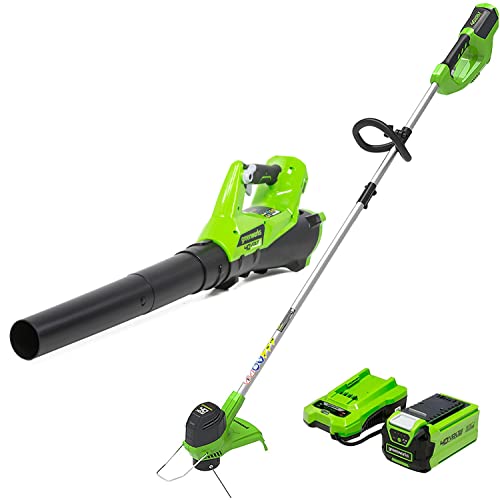
String Trimmers: The Complete Guide to Weed Eaters & Grass Trimmers
Everything you need to know about choosing, using, and maintaining string trimmers. From entry-level corded models to premium battery-powered units, discover how the right weed eater transforms your lawn care routine.
Why String Trimmers Matter: A string trimmer (also called a weed eater or weed whacker) is one of the most versatile tools in any gardener's arsenal. It handles the jobs a lawn mower can't reach — edging along walkways, trimming around trees and fences, and clearing overgrown patches. The right trimmer saves you hours of manual labor while keeping your landscape crisp and professional-looking.
What Is a String Trimmer and Why Do You Need One?
A string trimmer — commonly known as a weed eater, weed whacker, or grass trimmer — is a handheld power tool that uses a rapidly spinning nylon line to cut grass, weeds, and light vegetation. Unlike a lawn mower, which cuts grass at a uniform height across flat surfaces, a string trimmer excels at precision work: edging flower beds, trimming along fences and foundations, and reaching spots where mower decks simply can't go.
For homeowners serious about lawn care, a string trimmer is not optional. It's the tool that gives your lawn its finished look — clean edges along driveways, neat borders around garden beds, and a tidy appearance around obstacles like trees, posts, and air conditioning units. If you're also investing in a broader sprinkler system to keep your grass healthy, a trimmer completes the maintenance picture by ensuring every corner of your property looks maintained.
Modern string trimmers come in three main power types: gas, corded electric, and battery-powered. Each has distinct advantages depending on your property size, budget tier, and personal preferences. This guide breaks down everything you need to know to make an informed decision.
Types of String Trimmers: Gas, Corded, and Battery-Powered
Choosing the right type of string trimmer starts with understanding how each power source performs in real-world conditions. Here's a detailed comparison to help you match a trimmer to your needs.
Gas String Trimmers
Gas trimmers deliver the highest power output and unlimited runtime, making them ideal for large properties, heavy brush, and extended use. They require fuel mixing (gas with 2-cycle oil), regular engine maintenance, and produce exhaust emissions and noise. Best suited for rural properties or homeowners who regularly tackle tough vegetation.
Corded Electric Trimmers
Corded electric trimmers are lightweight, affordable, and require minimal maintenance. They run on standard household power and are ideal for small to medium yards where an extension cord can reach. The main limitation is mobility — you're tethered to an outlet and must manage cord length. Best for urban and suburban homeowners with compact lots.
Battery-Powered Trimmers
Battery-powered string trimmers offer the best balance of convenience and performance for most homeowners. Modern lithium-ion batteries deliver impressive power and runtime, with no cords, no fuel mixing, and minimal maintenance. Premium models rival gas performance while operating quietly and cleanly. Ideal for suburban properties and eco-conscious gardeners.
| Feature | Gas Trimmer | Corded Electric | Battery-Powered |
|---|---|---|---|
| Power Output | Highest | Moderate | Moderate to High |
| Runtime | Unlimited (refuel) | Unlimited (with cord) | 20–60 minutes per charge |
| Maintenance | High (engine care, fuel mixing) | Very Low | Low (battery care) |
| Weight | Heaviest | Lightest | Light to Moderate |
| Noise Level | Loud | Quiet | Quiet |
| Best For | Large properties, heavy brush | Small yards, light trimming | Most residential lawns |
| Value Tier | Mid-range to premium | Entry-level | Mid-range to premium |
- No fuel mixing or exhaust fumes
- Quieter operation — neighbor-friendly
- Push-button start, no pull cords
- Lower maintenance than gas
- Interchangeable batteries across tools
- Limited runtime per charge
- Battery replacement adds long-term cost
- Power may drop as battery depletes
- Requires charging infrastructure
Key Features to Look For in a String Trimmer
Beyond power type, several design features dramatically affect how comfortable and effective a string trimmer is in daily use. Understanding these features helps you avoid buyer's remorse and choose a tool that matches your physical needs and lawn conditions.
Shaft Type: Straight vs. Curved
Straight shafts provide better reach and leverage for taller users and are preferred for edging and cutting taller grass. Curved shafts are lighter and more compact, ideal for homeowners who prioritize maneuverability over reach. Straight-shaft models often accept interchangeable attachments like edger blades and brush cutter heads.
Cutting Width
Cutting swath ranges from 12 to 18 inches. A wider cutting width covers more ground per pass but adds weight and may reduce precision near delicate plants. A 14–16 inch swath suits most residential lawns, while 17–18 inch widths are better for large properties and heavy vegetation.
Trimmer Line Feed System
Bump feed advances line by tapping the head on the ground — simple and reliable. Automatic feed constantly adjusts line length for optimal cutting. Manual feed requires stopping to pull line out. Bump feed is the most common and user-friendly for homeowners.
Weight and Ergonomics
A trimmer that's too heavy causes fatigue quickly. Look for models under 12 pounds for comfortable extended use. Ergonomic features like adjustable handles, padded grips, and balanced weight distribution reduce strain. Harness-compatible models help distribute weight for larger jobs.
Starting Mechanism
Gas trimmers vary widely in starting ease. Easy-start or spring-assisted pull systems reduce effort. Battery and corded models start with a simple trigger or button press — no pulling required. For homeowners who struggle with pull cords, battery power is a clear winner.
Attachment Capability
Many straight-shaft trimmers accept cultivator, edger, hedge trimmer, and brush cutter attachments. A multi-attachment system lets one power head serve multiple garden tasks, saving space and cost. This versatility is especially valuable for gardeners who want a complete tool system.
How to Choose the Right String Trimmer for Your Property
Selecting a string trimmer isn't about buying the most powerful model — it's about matching the tool to your property size, terrain, and physical capabilities. Here's a practical framework:
Small yards (under 1/4 acre): A corded electric or entry-level battery trimmer is usually sufficient. These properties have limited trimming needs, and the lighter weight and lower maintenance of electric models make them ideal. If you also maintain low-maintenance front yard landscaping, a lightweight trimmer handles the edging quickly.
Medium yards (1/4 to 1/2 acre): A mid-range battery-powered trimmer offers the best balance of power, runtime, and convenience. Look for models with at least 30 minutes of runtime and a 15–16 inch cutting swath. If you have extensive flower beds or hardscaping features to trim around, a straight-shaft model provides better reach and precision.
Large properties (over 1/2 acre): Gas or premium battery trimmers with extended runtime are necessary. If your property includes heavy brush, fence lines, or drainage areas, consider a straight-shaft model with attachment capability. Pairing a trimmer with a top-rated battery-powered self-propelled lawn mower creates a complete lawn care system for large lots.
Physical considerations: If you have back or shoulder issues, prioritize lightweight models under 10 pounds with ergonomic grips. Battery trimmers avoid the pull-cord strain of gas models. Adjustable handles and shoulder harnesses further reduce fatigue during extended use.
String Trimmer Maintenance: Keep Your Weed Eater Running Strong
Proper maintenance extends the life of your string trimmer and ensures consistent cutting performance. Follow these practices regardless of power type:
After Every Use
Clean grass clippings from the cutting head and air intake vents. Wipe down the shaft and handles. Check the trimmer line for wear and refill if needed. For gas models, let the engine cool before storage.
Monthly Checks
Inspect the trimmer line spool for tangles or damage. Check the air filter (gas models) and clean or replace as needed. Verify that all screws and fasteners are tight. Test the safety switch and throttle response.
Seasonal Care
For gas trimmers, replace the spark plug and fuel filter at the start of each season. Drain old fuel before winter storage. For battery models, store batteries at partial charge in a cool, dry place. Clean and lubricate the cutting head mechanism.
Line Replacement
Use the manufacturer-recommended line diameter (typically 0.065–0.095 inches). Thicker line handles heavier weeds but reduces runtime. Keep spare spools on hand during peak growing season so you're never caught without line mid-job.
Safety Tips for Using String Trimmers
String trimmers spin at high speed and can throw debris, so safety gear and smart technique are essential:
- Wear eye protection — safety glasses or a face shield protect against flying debris.
- Use hearing protection — especially with gas models, which can exceed 100 decibels.
- Wear long pants and closed-toe shoes — never trim in shorts or sandals.
- Keep bystanders and pets away — trimmer line can throw stones and sticks at high speed.
- Never trim near electrical wires or outlets — especially with corded models.
- Start the trimmer on a flat surface and maintain a firm grip on both handles.
- Don't overreach — maintain stable footing and avoid trimming on steep slopes in wet conditions.
If your lawn care routine includes applying weed treatments, always read labels carefully. Our guide on weed and grass killer safe for vegetable gardens covers how to protect desirable plants while managing unwanted growth near trimmer work areas.
Smart Buying Considerations Before You Purchase
Before committing to a string trimmer, consider these practical factors that affect long-term satisfaction:
Battery platform compatibility: If you already own battery-powered outdoor tools from a specific brand, choosing a trimmer that shares the same battery platform saves money and reduces clutter. Many manufacturers offer trimmer-only options (without battery and charger) for users already invested in their ecosystem.
Warranty and support: Entry-level models typically carry shorter warranties, while premium brands often offer multi-year coverage. Check whether service centers are available locally and whether replacement parts are easy to source.
Storage space: Straight-shaft trimmers are longer and may require more storage space. If you have a compact shed or garage, consider a curved-shaft or split-shaft model that stores more easily. For organized storage solutions, see our guide on wall storage ideas to keep your garden tools accessible and tidy.
Future needs: If you anticipate expanding your garden or taking on larger landscaping projects, investing in a mid-range or premium trimmer with attachment capability avoids the need to upgrade later. A versatile trimmer pairs well with other investments like a sprinkler installation or water features that enhance your outdoor space.
Frequently Asked Questions About String Trimmers
A string trimmer uses flexible nylon line to cut grass and light weeds, making it ideal for edging and lawn maintenance. A brush cutter uses a metal blade to cut through thick brush, saplings, and heavy vegetation. String trimmers are lighter and more precise for routine lawn care, while brush cutters are heavier-duty tools for clearing overgrown areas and tough vegetation.
Gas trimmers offer the most power and unlimited runtime for large properties but require fuel mixing, regular maintenance, and produce emissions. Corded electric trimmers are lightweight and affordable but limited by cord length. Battery-powered trimmers offer the best balance of convenience, quiet operation, and sufficient power for most residential lawns. For most homeowners, a mid-range battery trimmer is the sweet spot between performance and ease of use.
Regular maintenance includes cleaning the cutting head and air filter after each use, checking and replacing trimmer line as needed, inspecting the spark plug for gas models, sharpening or replacing blades on brush cutters, storing the trimmer properly during the off-season, and following the manufacturer's lubrication schedule for gas engines. Battery models require proper battery storage — keep batteries at partial charge in a cool, dry location when not in use.
Use the line diameter recommended by your trimmer's manufacturer. Common sizes range from 0.065 to 0.095 inches. Thinner line (0.065–0.080) is best for light grass and precision trimming, while thicker line (0.095) handles heavier weeds and thicker grass. Using line that's too thick for your trimmer can overload the motor, while line that's too thin breaks frequently. Always check your manual before changing line size.
Yes, string trimmers are excellent for edging along driveways, sidewalks, and walkways and paths. A straight-shaft trimmer gives you the best control for clean, vertical edges. For the crispest results, hold the trimmer at a consistent angle and use a steady pace. Some models accept dedicated edger attachments for even cleaner lines, though a skilled operator can achieve professional-looking edges with a standard trimmer head.
Ready to Upgrade Your Lawn Care Routine?
Browse our curated selection of string trimmers below — from affordable entry-level models to premium battery-powered units that rival gas performance. Find the right tool for your property and start trimming like a pro.
View Recommended String Trimmers ↓