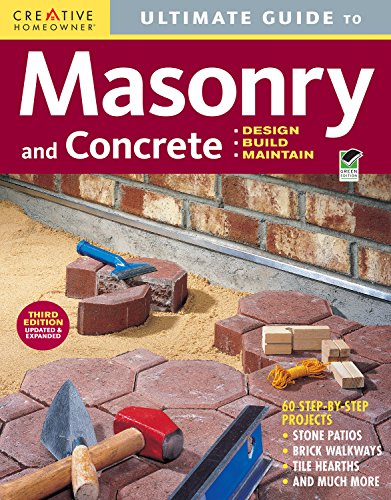
Hardscaping: The Complete Guide to Patios, Walkways & Retaining Walls
Transform your outdoor space with durable, beautiful hardscape features. Learn how to plan, choose materials, and build patios, paths, walls, and stone elements that add structure, function, and lasting value to your landscape.
Why hardscaping matters: Hardscaping is the backbone of a well-designed landscape. While plants and lawns soften a space, hardscape features define it — creating outdoor rooms, guiding foot traffic, controlling drainage, and reducing long-term maintenance. Whether you are planning a new patio, refreshing a worn walkway, or adding a retaining wall, understanding materials and installation methods is the key to results that last for decades.
What Is Hardscaping?
Hardscaping refers to the non-living, structural components of a landscape — the built elements made from stone, concrete, brick, pavers, gravel, and timber. Common examples include patios, driveways, walkways, retaining walls, fire pit surrounds, seat walls, steps, and decorative boulders. These features contrast with softscaping, which covers plants, lawns, and soil.
A thoughtful hardscape plan gives your yard structure and purpose. It creates level surfaces for dining and entertaining, defines transition zones between garden rooms, and manages water flow so that rain drains away from your home and plant beds. Because hardscape materials are permanent, the design and installation decisions you make now will shape how your outdoor space performs and looks for many years.
Hardscaping also supports sustainable landscaping. Permeable pavers and gravel surfaces allow water to infiltrate the ground instead of running off into storm drains. Paired with well-planned sprinkler installation, a hardscape layout can help direct irrigation where it is needed most while keeping patios and paths dry and safe.
Key Benefits of Hardscape Features
- Defined outdoor rooms: A patio or paved area anchors furniture and creates an inviting space for dining, relaxing, and entertaining.
- Improved drainage and erosion control: Retaining walls, grading, and permeable surfaces manage stormwater and protect your home's foundation.
- Lower maintenance: Replacing high-maintenance turf with pavers, gravel, or stone reduces mowing, watering, and weeding.
- Increased property value: Well-executed patios, walkways, and walls are among the most reliable exterior upgrades for resale appeal.
- Year-round usability: Hard surfaces stay accessible in wet weather and support outdoor furniture, fire features, and lighting.
- Design flexibility: From natural flagstone to modular concrete pavers, the range of materials and patterns suits every style, from cottage to contemporary.
When hardscaping is combined with complementary planting, the result feels intentional and balanced. For example, a low stone wall can double as a backdrop for perennials, while a gravel border can frame flower beds in front of the house and keep maintenance manageable.
Hardscape Materials Compared
Choosing the right material is the single most important decision in any hardscape project. Each option offers a different balance of durability, style, installation complexity, and maintenance. The table below compares the most common hardscape materials using universal quality tiers rather than prices.
| Material | Best For | Durability | Market Tier | Maintenance Notes |
|---|---|---|---|---|
| Concrete Pavers | Patios, walkways, driveways | High | Mid-range | Individual units can be replaced; re-sanding joints periodically |
| Natural Stone (flagstone, bluestone, travertine) | Premium patios, steps, wall caps | Very high | Premium | Sealing optional; natural variation adds character |
| Poured Concrete | Driveways, simple patios, utility areas | Moderate to high | Entry-level | Cracks possible; decorative stamps and stains improve appearance |
| Brick | Traditional paths, edging, patios | High | Mid-tier | Mortar joints may need repointing over time |
| Gravel and Crushed Stone | Casual paths, borders, low-traffic areas | Moderate | Budget-friendly | Periodic raking and topping up; use edging to contain |
| Segmental Retaining Wall Blocks | Structural walls, terraces, raised beds | High | Mid-range to premium | Engineered systems simplify installation and improve stability |
Buying tip: Mid-range pavers often deliver the best balance of durability and design flexibility for most homeowners, while premium natural stone suits statement patios and visible architectural features. Entry-level poured concrete remains a practical choice for utility areas and secondary paths.
Patio Design & Installation
A patio is the centerpiece of most hardscape projects. It extends your living space outdoors and provides a stable, level surface for furniture, grills, and fire features. Successful patios start with a clear purpose: will it host large gatherings, serve as a quiet reading corner, or connect the house to the garden?
Key Planning Steps
- Define size and placement: Allow enough room for furniture plus walking clearance. Position the patio near the primary indoor access point and consider sun and shade throughout the day.
- Choose the surface: Pavers offer repairability, natural stone delivers premium aesthetics, and poured concrete is a practical entry-level option. Consider slip resistance and heat retention in sunny climates.
- Plan the base: A compacted gravel sub-base with a sand or polymeric joint layer is essential for stability and drainage. Cutting corners at this stage causes settling and uneven surfaces later.
- Add structure: Edge restraints, steps, and seat walls define the patio and prevent pavers from shifting. Coordinate with nearby features such as a pergola or shade structure.
- Integrate lighting and water: Low-voltage path lights, spotlights, and a nearby water feature elevate the ambiance and extend evening use.
For patios that connect to lawns or planting beds, consider how the surface transitions to other materials. A clean edge between pavers and grass looks sharp and keeps maintenance simple. If you plan to add irrigation, coordinate trenching with the patio build to avoid disturbing finished surfaces.
Walkways and Paths
Walkways guide visitors, connect functional areas, and add visual rhythm to the landscape. They are among the most approachable hardscape projects for DIY-minded homeowners because they require less structural depth than patios or walls.
Design Considerations
- Width: A single-person path is comfortable at roughly three feet wide; shared paths and main entries benefit from four to five feet.
- Layout: Straight paths feel formal and efficient, while gentle curves feel natural and slow the pace. Avoid sharp turns that complicate installation and maintenance.
- Material continuity: Repeating the patio material in the connecting path creates visual cohesion. Stepping stones set in gravel or mulch suit informal gardens.
- Drainage and slope: Paths should shed water away from structures. A slight crown or cross-slope keeps surfaces from puddling.
- Safety: Choose textured surfaces for wet climates and add lighting at steps and turns. Explore our full guide to walkways and paths for layout patterns and edging options.
Well-placed paths also protect lawns from foot-traffic compaction and reduce mud tracking into the home. Pair them with low-maintenance front yard landscaping to create a cohesive, easy-care entry.
Retaining Walls and Drainage
Retaining walls hold back soil and create level terraces on sloped properties. They are both functional and aesthetic, turning unusable grades into productive garden space or outdoor living areas. However, because they resist significant soil pressure, retaining walls demand careful engineering and proper drainage.
Types of Retaining Walls
- Segmental block walls: Engineered systems with interlocking units; ideal for structural walls and terraces.
- Timber walls: A traditional, budget-friendly option for low walls and raised beds.
- Natural stone walls: Dry-stacked or mortared stone walls offer timeless character for garden features.
- Boulder walls: Large rocks create rustic, informal retaining structures for naturalistic landscapes.
Drainage Essentials
Every retaining wall needs a drainage plan. Backfill with free-draining gravel, install a perforated drain pipe at the base, and include weep holes so water can escape. Without drainage, hydrostatic pressure builds up and can cause bulging, leaning, or outright failure. Walls taller than roughly three feet, or walls supporting structures or driveways, should be designed by a qualified professional and may require permits.
Retaining walls pair naturally with terraced planting. Our guide to terraced gardening explains how to turn sloped ground into productive, layered garden beds behind your walls.
Gravel Landscaping and Decorative Stone
Gravel and crushed stone are versatile, budget-friendly hardscape materials that suit a wide range of applications, from casual paths and driveway borders to modern courtyard designs. Decorative gravel comes in many colors and sizes, making it easy to complement your home's exterior and surrounding plants.
Popular Uses for Gravel
- Informal paths and garden walks: Pea gravel or crushed stone provides a permeable, low-cost surface.
- Borders and edging: Gravel strips separate lawns from beds and reduce trimming work.
- Dry creek beds: Decorative stone mimics natural watercourses and manages runoff.
- Xeriscape surfaces: Gravel mulch conserves moisture and suits drought-tolerant planting schemes.
- Courtyards and modern landscapes: Large-format gravel or decomposed granite creates clean, architectural surfaces.
Install edging to keep gravel contained, and use a geotextile fabric beneath the stone to suppress weeds and prevent the gravel from sinking into the soil. In high-traffic areas, stabilize the surface with a binder or choose resin-bound gravel for a firm, accessible finish.
Planning, Budget Tiers, and Maintenance
Successful hardscaping balances ambition with practical planning. Start with a simple sketch of your yard, marking the house, utilities, slopes, and desired outdoor zones. Identify the primary function of each area — dining, paths, storage, or play — and let those functions drive material choices.
Thinking in Quality Tiers
Rather than focusing on price tags, categorize your project elements by market tier. Entry-level materials such as poured concrete and basic gravel are practical for utility areas. Mid-range pavers and engineered wall blocks deliver strong durability for primary patios and walls. Premium natural stone and custom fabrication suit visible statement features where character and longevity matter most. This tier-based approach keeps your plan flexible and your expectations realistic.
Maintenance at a Glance
- Sweep paved surfaces regularly and control weeds in joints.
- Replenish polymeric sand or joint material as needed to keep pavers stable.
- Inspect retaining wall drainage and clean weep holes annually.
- Rake gravel paths periodically and top up with fresh stone.
- Seal natural stone only if required by the material and climate.
For outdoor spaces that extend beyond the hardscape, coordinate with planting and lighting plans. A quality sprinkler system protects new plantings around patios and walls, while spotlights and solar-powered outdoor lights improve safety and highlight architectural details after dark.
Frequently Asked Questions
What is hardscaping and why does it matter?
Hardscaping refers to the non-living, structural elements of a landscape such as patios, walkways, retaining walls, driveways, and stone features. It matters because it defines outdoor living spaces, improves drainage, reduces maintenance, and adds lasting property value.
Which hardscape material is best for patios?
The best patio material depends on climate, style, and traffic. Pavers offer versatility and repairability, natural stone delivers premium character, poured concrete is budget-friendly, and gravel suits casual or low-traffic areas. Mid-range pavers often balance durability and design flexibility.
Do I need a professional for retaining walls?
Low walls under about three feet can be a DIY project for experienced homeowners, but taller walls that hold back soil require engineering, proper drainage, and permits. Hiring a qualified contractor is the safer choice for structural retaining walls.
How long does a paver patio last?
A properly installed paver patio with a compacted base and edge restraints can last for decades. Longevity depends on base preparation, drainage, and regular joint maintenance. Individual pavers can be replaced if settling or damage occurs.
Can hardscaping reduce lawn maintenance?
Yes. Replacing difficult-to-mow or high-water-use turf with patios, gravel, or planted borders can significantly reduce mowing, watering, and weeding. Many homeowners combine hardscape areas with full-sun perennials and drought-tolerant plants to create a lower-maintenance landscape.
Ready to Plan Your Hardscape Project?
Explore our related guides on patio materials, walkway layouts, and retaining wall construction, then browse curated hardscape tools and supplies to bring your design to life.
See Recommended Hardscape Products