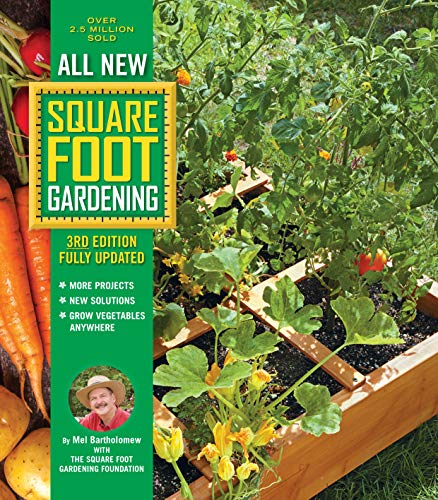
Square Foot Gardening: A Beginner's Guide to Maximum Yield
Discover how the square foot gardening method transforms small spaces into highly productive vegetable gardens. Perfect for beginners seeking a low-maintenance, high-reward system.
LEARN THE SFG METHODSpace-Saving Revolution: Square foot gardening (SFG) isn't just a trend; it's a science-backed method that uses 80% less space, 90% less water, and eliminates hard labor compared to traditional single-row gardening. It's the ideal solution for urban gardeners, retirees, or anyone looking to grow more food with less effort.
What is Square Foot Gardening?
At its core, square foot gardening is a high-density planting method performed in a 4-foot by 4-foot raised bed divided into a 16-square-foot grid. Instead of planting in long, wasteful rows, you plant a specific number of crops in each 1x1 foot square based on the plant's mature size. This organized approach virtually eliminates weeds, conserves water, and allows for a stunning variety of vegetables in a compact footprint. If you're interested in the structural foundation, understanding the basics of raised bed soil preparation is the first critical step.
The Perfect Soil: Mel's Mix Recipe
The heart of a thriving square foot garden lies in its growing medium. Forget heavy garden dirt that compacts and hosts weeds. The standard bearer is "Mel's Mix," a soilless recipe that provides perfect drainage and nutrient density. It consists of three equal parts by volume:
- 1/3 Blended Compost: The sole source of nutrients. You must use a blend of at least five different types of compost (e.g., mushroom, manure, leaf mold, worm castings, kitchen scrap) to ensure a full spectrum of plant nutrients.
- 1/3 Peat Moss (or Coconut Coir): This acts as a water-retaining sponge, holding moisture in the root zone while also keeping the mix light. Coir is a more sustainable, pH-neutral alternative to peat.
- 1/3 Coarse Vermiculite: The magic ingredient for drainage and structure. Vermiculite expands to create air pockets, preventing the soil from compacting and allowing roots to breathe effortlessly.
Avoid using regular garden soil or cheap potting mixes labeled "moisture control," as they will retain too much water and suffocate the roots. Once you've mastered this mix, you'll find all your vegetables, from growing carrots to leafy greens, perform remarkably better.
How to Build Your Square Foot Grid
- 1 Build the Box: Construct a no-bottom frame using untreated lumber, concrete blocks, or recycled composite. The dimensions must be 4 feet by 4 feet to ensure you can reach the center from all sides without stepping on and compacting the soil. Fill it completely with Mel's Mix.
- 2 Create the Permanent Grid: This is non-negotiable. Use wooden laths, Venetian blinds, or durable twine to physically divide the surface into 16 distinct one-foot squares. The visual grid keeps the system organized and planning precise.
- 3 Plant by the Square: Forget seed packet instructions regarding row spacing. You only need to know the plant spacing per square. For crops like growing tomatoes (indeterminate varieties), plant one per square with a sturdy stake. For bush beans or spinach, plant nine per square. For growing lettuce as a cut-and-come-again crop, you can fit four per square.
- 4 Harvest and Replant: When one square is harvested, you don't need to till or heavily amend the entire bed. Simply add a trowel of fresh compost to that single square and immediately replant with a different crop. This is the essence of succession planting.
Plants Per Square Foot Cheat Sheet
This spacing guide is the blueprint for your garden. Always check the specific variety, but these are the standard sfg recommendations:
| Size Category | Plants per Square | Examples |
|---|---|---|
| Extra Large | 1 | Broccoli, Cabbage, Pepper, Eggplant, Tomato (with cage) |
| Large | 4 | Swiss Chard, Leaf Lettuce, Marigold, Potato (seed piece) |
| Medium | 9 | Bush Beans, Peas, Spinach, Beets, Turnips |
| Small | 16 | Onions, Radishes, Carrots, Green Onions |
For climbing plants like indeterminate growing cucumbers or pole beans, place them in a back square and install a strong vertical vegetable trellis on the north side of the bed to avoid shading other plants.
Maximizing Yield with Smart Layouts
A square foot garden isn't just about cramming plants in; it's about strategic placement. Practice vertical gardening with heavy feeders to save ground space. Naturally deter pests by interplanting with companion planting vegetables. For instance, plant basil next to tomatoes to repel hornworms, or grow nasturtiums near squash to deter squash bugs. Avoid placing all water-loving plants together; cluster them to make your watering guide easier to follow.
Why Crop Rotation is Vital in SFG
Because you harvest and replant squares constantly, the soil can become depleted of specific nutrients and may harbor root-knot nematodes if you plant the same family in the same square. Crop rotation is your best defense. Follow heavy feeders like tomatoes and corn with light feeders like carrots or beans, and follow those with soil builders like peas. If you plan to overwinter the bed, don't leave it bare; refer to our winter vegetable gardening guide to grow cold-hardy spinach and garlic.
Maintaining Your Soil Between Seasons
The beauty of the SFG method is that you never walk on the soil, so it stays loose year after year. To refresh the bed between intensive planting cycles, simply top it off with a few inches of fresh, blended compost. Do not dig or double-dig. The existing worm population and soil microbiology will incorporate the new organic matter. Understanding general soil guides will help you identify signs of nutrient deficiency, but for a pure SFG setup, compost is the primary food source.
Harvesting Your High-Density Garden
Because SFG produces a concentrated harvest in a small area, you must be ready. Check your squares daily; zucchinis can become baseball bats overnight. Use scissors to snip greens and a sharp knife for cabbages. If you find yourself overwhelmed with produce, proper storing vegetables techniques become essential. You might also want to explore canning and preserving to enjoy your square foot bounty all winter long.
By adopting the square foot gardening method, you trade back-breaking labor for a pencil, a grid, and a handful of seeds. It's the most efficient, user-friendly path to a truly productive kitchen garden.