Wheelbarrows: The Complete Guide to Choosing the Right One
Whether you are moving mulch, hauling soil, or transporting tools, the right wheelbarrow makes every garden task easier. Discover how to choose the perfect model for your needs, terrain, and workload.
EXPLORE THE BUYING GUIDEWhy a Wheelbarrow Matters: A wheelbarrow is one of the most versatile and hardworking tools in any garden. It saves your back, speeds up landscaping projects, and helps you move heavy or bulky materials with minimal effort. Choosing the right one ensures years of reliable service and a more enjoyable gardening experience.
What to Look for in a Wheelbarrow
Understanding the key features of a wheelbarrow helps you make a confident purchase. Focus on tray material, wheel configuration, capacity, and handle design to find a model that matches your gardening style and terrain.
Tray Material: Steel vs. Plastic vs. Wood
The tray is the heart of any wheelbarrow, and its material determines durability, weight, and maintenance needs.
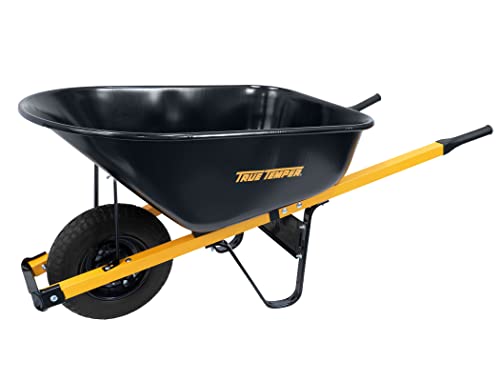
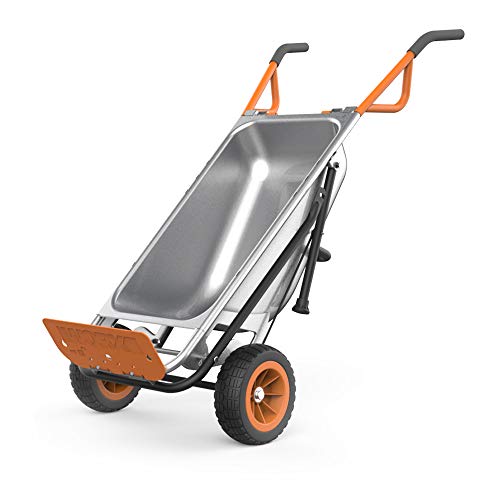
- Steel trays are the most durable and best suited for heavy loads like rocks, soil, and concrete. They resist dents but can rust if not properly maintained. Ideal for serious gardeners and contractors.
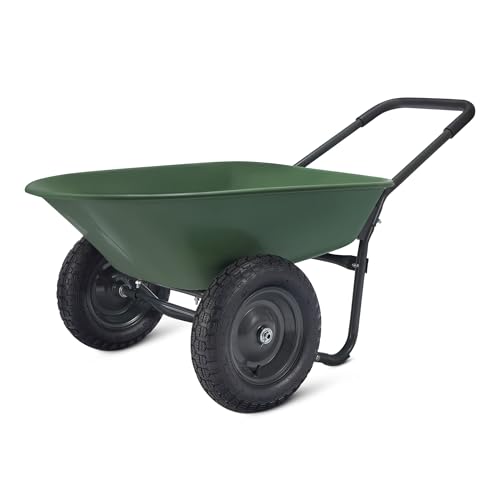
- Plastic or poly trays are lightweight, rust-proof, and easy to clean. They work well for mulch, leaves, and light garden debris, making them a great choice for homeowners and casual gardeners.
- Wooden trays offer a classic look and are gentle on delicate materials, but they require more maintenance and are less common in modern designs.
Wheel Configuration: Single vs. Dual Wheel
The number of wheels directly affects stability and maneuverability. Your choice should depend on your terrain and typical loads.
- Single-wheel wheelbarrows are highly maneuverable and can navigate tight spaces, narrow paths, and uneven ground with ease. They require more balance and physical effort to control.
- Dual-wheel wheelbarrows offer superior stability and are easier to push on flat surfaces. They are ideal for homeowners who prefer a safer, more balanced experience, especially on paved or level ground.
Capacity and Load Rating
Wheelbarrow capacity is typically measured in cubic feet for volume and pounds for weight. Standard home models range from 4 to 6 cubic feet and handle 200 to 400 pounds. Heavy-duty and contractor models can exceed 8 cubic feet and support 600 pounds or more. Choose a capacity that matches your most common tasks without oversizing, as larger trays become harder to maneuver when full.
Handles and Ergonomics
Handle material and design significantly impact comfort and control. Wooden handles absorb shock and provide a classic feel, while steel or composite handles offer greater durability and weather resistance. Look for ergonomic grips, proper handle height for your body, and cushioned grips if you plan to use the wheelbarrow for extended periods.
Wheelbarrow Types at a Glance
| Type | Best For | Stability | Maneuverability | Typical Tier |
|---|---|---|---|---|
| Single-Wheel Steel Tray | Heavy loads, uneven terrain, landscaping | Moderate | High | Mid-range to premium |
| Dual-Wheel Steel Tray | Flat surfaces, heavy loads, homeowner use | High | Moderate | Mid-range |
| Single-Wheel Plastic Tray | Light garden debris, mulch, leaves | Moderate | High | Entry-level to mid-range |
| Dual-Wheel Plastic Tray | Casual gardening, light hauling, seniors | High | Moderate | Entry-level to mid-range |
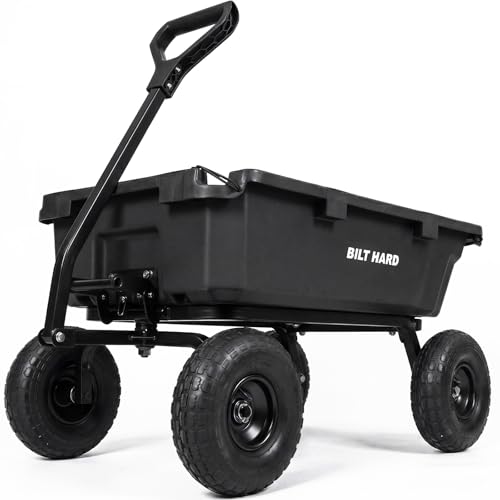
| Garden Cart (4-Wheel) | Heavy or awkward loads, flat terrain, pulling | Very High | Low to Moderate | Mid-range to high-end |
Signs It's Time for a New Wheelbarrow
Wheelbarrows are built to last, but years of use take a toll. Consider replacing your wheelbarrow if you notice any of the following:
- Rust-through holes or severe corrosion in a steel tray
- Cracks or punctures in a plastic tray that affect load stability
- A bent or wobbly wheel axle that causes the wheelbarrow to pull to one side
- Loose, splintered, or broken handles that compromise grip and control
- Persistent tire issues, such as repeated flats or a tire that no longer holds air
If you are investing in new landscaping or garden projects, upgrading to a more capable model can also be a smart move. For heavy-duty tasks like moving soil or gravel, consider pairing your wheelbarrow with other essential tillers and cultivators to prepare beds efficiently.
Wheelbarrow Care and Maintenance Tips
Proper maintenance extends the life of your wheelbarrow and keeps it performing at its best:
- Clean the tray after each use to prevent soil, concrete, or fertilizer residue from hardening or causing corrosion.
- Check tire pressure regularly if your model uses pneumatic tires. Proper inflation improves rolling efficiency and reduces strain.
- Tighten bolts and nuts periodically, especially around the wheel axle and handle connections, to maintain structural integrity.
- Store under cover or in a shed to protect the wheelbarrow from rain and prolonged sun exposure, which can degrade plastic and accelerate rust.
- Oil metal trays lightly with a garden-safe lubricant to create a protective barrier against moisture.
For more tips on keeping your garden equipment in top shape, explore our guides on weeding tools and watering cans.
Ready to find the perfect wheelbarrow for your garden? Explore our top recommendations below, carefully selected for quality, durability, and value.
VIEW RECOMMENDED WHEELBARROWS