Lawn Aeration: The Secret to a Thriving, Lush Lawn
Let gardening guide you to a healthier lawn. Discover why aeration is essential, when to do it, and how to choose the best method for your yard. Achieve deeper roots, better nutrient absorption, and a greener lawn.
Explore Aeration Methods🌿 Why Aeration Matters: Over time, soil becomes compacted from foot traffic, mowing, and natural settling. This prevents air, water, and nutrients from reaching the root zone. Lawn aeration creates small holes in the soil, allowing vital resources to penetrate deep where they are needed most. The result? A stronger, more resilient lawn that stands up to heat, drought, and disease.
What Is Lawn Aeration?
Lawn aeration is the process of mechanically removing small plugs of soil (cores) from your lawn to reduce compaction and improve the exchange of air and water in the root zone. The holes left behind allow oxygen, water, and fertilizer to reach the grassroots, promoting deeper root growth and a healthier turf.
Think of it as giving your lawn room to breathe. Without regular aeration, your lawn's roots struggle to grow, leading to thin, patchy grass that is more susceptible to weeds and disease. For a comprehensive approach to lawn health, explore our Lawn Care guides.
Why Aeration Is Essential for Your Lawn
Aeration is not just an optional extra—it is a fundamental practice for any homeowner who wants a beautiful, healthy lawn. Here are the top reasons to aerate:
- Relieves Soil Compaction: Heavy foot traffic, pets, and equipment compress the soil, making it hard for roots to grow. Aeration loosens the soil, giving roots room to expand.
- Enhances Nutrient Uptake: When soil is compacted, fertilizers and nutrients sit on the surface. Aeration ensures they reach the root zone, maximizing your lawn care efforts.
- Improves Water Infiltration: Compacted soil causes water to run off rather than absorb. Aeration allows water to soak in deeply, reducing runoff and conserving water.
- Reduces Thatch Buildup: Thatch is a layer of dead grass and roots that can suffocate your lawn. Aeration helps break down thatch, promoting a healthier lawn ecosystem.
- Stimulates Root Growth: By creating space and improving access to nutrients, aeration encourages roots to grow deeper and stronger.
If you're dealing with a lawn that seems to struggle despite regular watering and fertilizing, compaction is likely the culprit. Learn more about Lawn Fertilizing and Mowing Tips to complement your aeration routine.
When Is the Best Time to Aerate?
Timing is critical for successful aeration. You want to aerate when your grass is in its peak growing season so it can recover quickly and fill in the holes.
- Cool-Season Grasses (Fescue, Bluegrass, Ryegrass): Aerate in early spring or early fall. These grasses grow most actively during the cooler months.
- Warm-Season Grasses (Bermuda, Zoysia, St. Augustine): Aerate in late spring or early summer, when these grasses are actively growing.
As a general rule, aerate at least once a year—ideally twice if your lawn experiences heavy foot traffic or is on clay soil. Avoid aerating during drought or extreme heat, as this can stress the grass. For more detailed timing advice, see our Seasonal Checklist.
How to Aerate Your Lawn: Step-by-Step
There are several methods of aeration, each with its own advantages. Here's a breakdown of the most common techniques:
Core Aeration
The most effective method. Core aerators remove plugs of soil, creating deep, permanent channels. Rent a core aerator from your local garden center or hire a professional.
Spike Aeration
Using a spike aerator or spiked shoes to poke holes in the soil. This method is less effective because it can actually increase compaction around the holes.
Liquid Aeration
A chemical solution that loosens soil by breaking down compaction. Good for small areas or as a supplement to core aeration.
Manual Aeration
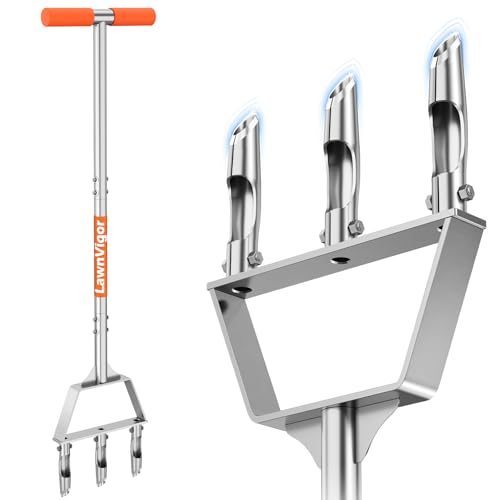
Using a manual aerator tool for small lawns or targeted spots. Labor-intensive but effective for tight spaces.
For most lawns, core aeration is the gold standard. Here's a simple step-by-step guide:
- Prepare your lawn: Mow the grass slightly shorter than usual and water it a day or two before aeration to soften the soil.
- Mark sprinkler heads and utilities: Avoid damaging irrigation lines or underground cables.
- Rent or buy a core aerator: Choose a machine that removes 2–3 inch deep cores, spaced 2–4 inches apart.
- Make multiple passes: Run the aerator over your lawn, making overlapping passes for thorough coverage.
- Leave the cores: Allow the soil plugs to break down naturally; they will return nutrients to the soil.
- Water and fertilize: After aeration, water deeply and apply fertilizer to maximize the benefits.
If you have a large lawn, consider hiring a professional for efficient and even aeration. Pair this with Overseeding Tips to fill in bare spots and thicken your turf.
Benefits of Lawn Aeration at a Glance
Lawn Care Resources
Explore our other lawn care guides to keep your yard in top condition:
Ready to Transform Your Lawn?
Start with aeration and see the difference. Browse our recommended tools and supplies below to get started.
Shop Aeration Tools