
Retaining Walls: Design, Materials, Costs & Installation
Transform your sloped yard with durable, beautiful retaining walls. Learn about materials, costs, design ideas, and step‑by‑step installation to create a functional and stunning landscape.
Explore Materials →Retaining walls are essential landscaping structures that hold back soil, prevent erosion, and create usable space on sloped properties. Whether you need to terrace a hillside, define garden beds, or add visual interest to your yard, choosing the right retaining wall can dramatically improve both function and curb appeal.
Let Gardening Insight: A well‑designed retaining wall does more than just hold soil—it adds structure, increases property value, and can even reduce maintenance. In this guide, we cover everything from material selection and cost to design inspiration and professional installation tips.
Why Build a Retaining Wall?
🌿 Erosion Control
Prevent soil erosion and runoff on sloped properties, protecting your foundation and landscaping from water damage.
📐 Create Usable Space
Transform steep slopes into level terraces for gardens, patios, or play areas—maximizing your outdoor living space.
🏡 Boost Curb Appeal
Add architectural interest with natural stone, brick, or modern concrete walls that complement your home's style.
💧 Improve Drainage
Properly designed retaining walls incorporate drainage solutions that redirect water away from structures and plantings.
Retaining Wall Materials: Pros, Cons & Costs
Choosing the right material is crucial for both durability and aesthetics. Below is a comparison of the most popular retaining wall materials, including average costs per square foot (installed).
| Material | Pros | Cons | Avg. Cost (per sq. ft.) |
|---|---|---|---|
| Natural Stone | Timeless beauty, durable, eco‑friendly | High cost, labor‑intensive installation | $30–$50 |
| Concrete Block | Affordable, versatile, easy to install (DIY) | Less natural appearance, may crack over time | $15–$25 |
| Timber / Treated Wood | Cost‑effective, warm look, DIY‑friendly | Shorter lifespan, susceptible to rot and insects | $10–$18 |
| Brick | Classic charm, colorfast, low maintenance | Moderate cost, requires mortar | $20–$35 |
| Gabion (Wire + Rock) | Rustic, highly permeable, excellent drainage | Industrial look, requires space for rock fill | $12–$20 |
| Poured Concrete | Extremely strong, seamless, modern | Expensive, requires professional forming | $35–$55 |
*Costs vary by region, wall height, and site conditions. Always get multiple quotes.
Retaining Wall Design Ideas for Every Yard
A retaining wall can be both functional and a focal point of your landscape. Here are some design approaches to consider:
- Terraced Gardens: Create multiple levels for vegetable beds, flower gardens, or herb plantings. This technique works beautifully on steep slopes and adds depth to your yard.
- Curved Walls: Soften the landscape with gentle curves that follow the natural contours of your property—perfect for a more organic, informal feel.
- Seating Walls: Build a retaining wall that doubles as built‑in seating around a fire pit or patio area—functional and social.
- Accent Lighting: Integrate low‑voltage lighting into the wall cap or along the base to highlight texture and improve safety at night.
- Planting Pockets: Incorporate small planting pockets into the wall face for cascading plants like creeping rosemary or sedum, softening the hardscape.
For more landscaping inspiration, explore our guides on backyard design ideas and small yard landscaping to complement your retaining wall project.
Installation & Drainage: Key to Long‑Lasting Walls
Proper installation and drainage are critical to prevent wall failure, bulging, or cracking. Here are essential steps and best practices:
✔️ Installation Checklist
- Site Assessment: Check soil type, slope angle, and water flow patterns.
- Foundation Prep: Dig a level trench and compact a gravel base (at least 6–8 inches deep).
- Drainage: Install perforated drain pipes behind the wall and backfill with gravel to relieve hydrostatic pressure.
- Geogrid Reinforcement: For walls over 4 feet tall, use geogrid to anchor the wall into the hillside.
- Backfilling: Use clean, compacted granular fill and place drainage fabric to prevent clogging.
- Caps & Finishing: Add capstones to protect the top and enhance the visual finish.
Drainage is often overlooked—but it's the #1 cause of retaining wall failure. Always ensure water can escape through weep holes or a gravel drainage system. For complex slopes or walls over 4 feet high, consult a structural engineer or professional landscaper.
DIY or Hire a Professional?
Building a retaining wall can be a rewarding DIY project for small walls (under 3 feet tall) using interlocking concrete blocks or timber. However, taller walls, walls on steep slopes, or those requiring engineered drainage are best left to experienced contractors.
When to DIY: Low walls (2–3 ft), simple straight runs, using lightweight blocks or timber, and you have basic excavation and leveling skills.
When to Hire a Pro: Walls over 4 feet, complex curves, poor soil conditions, proximity to structures, or if you need permits and engineering approvals.
Regardless of your choice, proper planning and material selection are key. For more hardscaping ideas, visit our landscaping ideas and low‑maintenance landscaping pages.
Permits and Building Codes
Many municipalities require a building permit for retaining walls over a certain height (often 3–4 feet). Before you start, check with your local building department about:
- Maximum allowable wall height without a permit
- Setback requirements from property lines and structures
- Soil engineering reports (for walls over 4 ft)
- Drainage and erosion control regulations
Skipping permits can lead to fines, removal orders, or issues when selling your home. It's always better to do it right the first time.
Retaining Wall Cost Breakdown
Beyond materials, several factors influence the total cost of your retaining wall project:
- Material: $10–$55 per sq. ft. (see table above)
- Excavation: $50–$200 per hour (heavy equipment)
- Gravel & Backfill: $30–$60 per cubic yard
- Drainage Pipe: $0.50–$2 per linear foot
- Labor (Professional): $40–$100 per sq. ft. installed
- Permits & Engineering: $200–$1,500+
Total average project cost: For a typical 50‑foot‑long, 4‑foot‑high retaining wall, expect to pay between $4,000 and $12,000 installed, depending on materials and site conditions.
Ready to Build Your Retaining Wall?
Explore top‑rated retaining wall materials and tools to get started. Shop the best products recommended by our experts.
Shop Retaining Wall Supplies →Top Retaining Wall Products & Tools
⚠️ AFFILIATE DISCLOSURE: This website contains affiliate links. As an Amazon Associate, we earn from qualifying purchases. If you make a purchase through these links, we may receive a small commission at no additional cost to you. Read our full affiliate policy.

Retaining Walls That Work: Design, Drainage, and Construction Methods That Prevent Failure

Retaining Walls: A Building Guide and Design Gallery (Schiffer Books)

Basics of Retaining Wall Design 11th Edition: A design guide for earth retaining structures
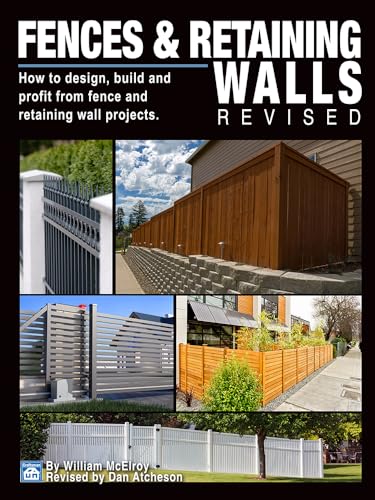
Fences & Retaining Walls Revised

Retaining Walls Made Simple: How They Work & How to Build Them

DIY Retaining Wall - Block Walls: Helping you with all steps of planning and building your own retaining wall using segmental concrete blocks

Woodland Scenics N Scale Retaining Walls (1-Pack) Plaster Cut Stone

Bi-Directional Retaining Wall 4ftX50ft,Geogrid for Retaining Wall,Driveway
Disclaimer
Let Gardening provides educational content only. Not a substitute for professional horticulturist or landscape architect services. Always consult a qualified professional for major landscaping or agricultural work. Some content may use AI. We are not responsible for plant damage, injuries, or outcomes. By using this site, you accept these terms. If you do not agree, please leave this website and discontinue its use. Read full disclaimer.