
Garden Kneelers: Your Essential Companion for Comfortable Gardening
Protect your knees, reduce fatigue, and enjoy hours of pain-free gardening with the right kneeler or kneeler-seat combination.
Gardening brings joy, relaxation, and a sense of accomplishment—but it can also take a toll on your body, especially your knees and lower back. Whether you're planting delicate seedlings, weeding a flower bed, or tending to a vegetable patch, spending extended periods kneeling on hard ground can lead to discomfort, stiffness, and even long-term joint issues.
This is where a garden kneeler becomes an essential tool in every gardener's arsenal. A good garden kneeler not only cushions your knees against hard soil, gravel, or patio stones but also promotes better posture, reduces fatigue, and allows you to garden for longer without pain. If you have knee or back concerns, a quality kneeler can mean the difference between giving up gardening and enjoying it for years to come.
In this comprehensive guide, we'll walk you through everything you need to know about garden kneelers—from the different types available and key features to consider, to practical tips for choosing the right one for your body and gardening style. By the end, you'll be equipped with the knowledge to make an informed decision and garden comfortably for seasons to come.
Why a Garden Kneeler Is a Game-Changer for Gardeners
Many gardeners underestimate the importance of proper knee support until they experience the discomfort firsthand. A garden kneeler offers a range of benefits that go beyond simple comfort:
- Joint Protection: Kneeling on hard surfaces for extended periods can cause inflammation and pain in the knees. A thick foam or gel pad absorbs pressure, protecting your joints and preventing long-term damage.
- Improved Posture: Kneelers encourage a more ergonomic kneeling position, reducing strain on your lower back, hips, and shoulders.
- Extended Gardening Sessions: With proper support, you can garden comfortably for longer, completing tasks without the constant need to stand up and stretch.
- Stability and Safety: Many kneelers come with side handles or a sturdy frame that provides stability when getting up or down, reducing the risk of falls—especially important for older gardeners or those with mobility challenges.
- Versatility: Convertible kneelers double as garden seats, giving you a comfortable place to rest or work at a higher level without having to bring two separate tools.
If you're looking to upgrade your overall gardening comfort, consider pairing your kneeler with other ergonomic essentials from our gardening tools collection to create a complete, body-friendly gardening setup.
Types of Garden Kneelers: Finding Your Perfect Match
Garden kneelers come in several designs, each catering to different needs, body types, and gardening habits. Understanding the options will help you choose the one that best fits your lifestyle.
1. Basic Foam Kneeling Pads
These are the simplest and most budget-friendly option—a thick foam pad that you place on the ground to cushion your knees. Basic kneeling pads are lightweight, easy to carry, and ideal for quick gardening tasks. They're an excellent entry-level choice for casual gardeners or those who only need occasional knee support. Look for models with a waterproof or easy-to-clean cover and a non-slip bottom to keep the pad in place.
2. Kneeler Seats (Convertible Kneelers)
These versatile tools feature a padded kneeling surface and a sturdy frame that can be flipped over to function as a low garden seat. Kneeler seats are perfect for gardeners who alternate between kneeling and sitting, or who need a comfortable resting spot during long gardening sessions. Many mid-range and premium kneeler seats include side handles to assist with standing up, making them a favorite among older gardeners or those with mobility concerns.
3. Ergonomic Kneeler with Handles
Designed with stability and support in mind, these kneelers feature a robust frame with built-in handles on either side. The handles provide leverage and balance when lowering yourself to kneel or pushing yourself back up, significantly reducing strain on your knees and back. This type is highly recommended for anyone with chronic knee pain, arthritis, or limited mobility. High-end models often include additional features like tool pouches, adjustable height settings, and extra-thick memory foam padding.
4. Rolling Garden Kneelers and Seats
For gardeners who work in larger areas or have difficulty carrying tools around, rolling kneelers combine a padded seat with wheels for easy mobility. Some models also include storage compartments for tools and supplies. These are a top-tier choice for serious gardeners who want maximum convenience and comfort.
5. Wearable Knee Pads
If you prefer freedom of movement, wearable knee pads strap directly onto your legs and move with you as you garden. They're ideal for tasks that require crawling or moving quickly between different areas. While they don't provide the same level of support as framed kneelers, high-quality knee pads with gel or memory foam inserts offer excellent protection and are a popular choice among professional gardeners and landscapers.
Key Features to Look for in a Quality Garden Kneeler
Not all garden kneelers are created equal. When shopping for a kneeler, pay attention to these critical features to ensure you're getting a product that will provide lasting comfort and durability:
- Padding Thickness and Material: Look for thick, high-density foam or gel padding that won't flatten over time. Memory foam is a premium option that conforms to your knees for superior comfort. Entry-level pads may use thinner foam, while mid-range and high-end models typically offer better cushioning.
- Frame Construction: For kneeler seats and framed kneelers, a sturdy steel or aluminum frame is essential for stability and longevity. Check the weight capacity and look for rust-resistant coatings if the kneeler will be stored outdoors.
- Handles and Support: Side handles are a must-have if you have knee or back issues. They provide crucial support when getting up and down, reducing strain and preventing falls. Look for padded or ergonomic handles for added comfort.
- Portability and Folding Design: If you'll be moving your kneeler around the garden, choose a lightweight model that folds flat for easy storage and transport. Many kneeler seats fold compactly and can be carried by their handles.
- Non-Slip Base: A non-slip surface on the bottom of the kneeler prevents it from sliding on wet grass, gravel, or patio stones, enhancing safety during use.
- Weather Resistance: Since garden kneelers are exposed to the elements, choose materials that are water-resistant, UV-protected, and easy to clean. Removable, machine-washable covers are a convenient bonus.
- Tool Storage: Some premium kneelers include built-in pouches or compartments for storing hand tools, gloves, and seeds—keeping everything you need within arm's reach.
For a complete ergonomic gardening setup, you might also consider complementary tools like garden gloves to protect your hands while you work, or explore our garden tools section for other comfort-enhancing equipment.
How to Choose the Right Garden Kneeler for Your Needs
Selecting the perfect garden kneeler depends on several personal factors. Here's a practical framework to guide your decision:
Consider Your Physical Needs
If you have knee pain, arthritis, or back issues, prioritize kneelers with thick padding, sturdy side handles, and a stable frame. A convertible kneeler seat is often the best choice because it allows you to alternate between kneeling and sitting, reducing strain on any single part of your body. For those with limited mobility, a high-end ergonomic kneeler with handles and a wide kneeling surface provides the most support.
Match the Kneeler to Your Gardening Style
Casual gardeners who only spend short periods in the garden may find a simple foam pad sufficient. Dedicated gardeners who spend hours tending to plants will benefit from a more robust kneeler seat with tool storage. If you garden across a large property, a rolling kneeler or a lightweight, portable model is ideal.
Evaluate Storage and Portability
Think about where you'll store your kneeler and how often you'll move it. Folding kneelers are easy to store in a shed or garage and can be carried around the garden. If storage space is tight, a compact folding design is a smart choice. Many mid-range kneeler seats fold flat and can be hung by their handles.
Set a Realistic Tier Expectation
Garden kneelers range from budget-friendly foam pads to premium ergonomic kneeler seats with advanced features. Entry-level options provide basic cushioning, while mid-range models offer better padding and folding frames. High-end and luxury kneelers include features like memory foam, tool pouches, and heavy-duty construction. Choose the tier that aligns with how frequently you garden and the level of support you need. Remember: a comfortable kneeler is an investment in your long-term gardening enjoyment.
Practical Tips for Using Your Garden Kneeler Safely and Effectively
- Position the Kneeler on Level Ground: Always place your kneeler on a flat, stable surface to prevent tipping or sliding. Avoid using it on steep slopes or uneven terrain.
- Use Handles for Support: When using a framed kneeler, always grip the handles firmly when lowering yourself down and pushing yourself back up. This protects your knees and back from sudden strain.
- Take Regular Breaks: Even with the most comfortable kneeler, it's important to stand up, stretch, and move around every 20–30 minutes to maintain circulation and reduce stiffness.
- Keep Your Kneeler Clean and Dry: After use, wipe down the padding and frame, and store the kneeler in a dry place. This prevents mold, mildew, and rust, extending the life of your tool.
- Combine with Other Ergonomic Tools: Pair your kneeler with long-handled tools to reduce bending and reaching. A comfortable pair of garden gloves also protects your hands and improves grip.
- Listen to Your Body: If kneeling becomes painful despite using a kneeler, switch to a seated position or take a longer break. Gardening should be enjoyable, not painful.
Invest in Your Comfort—and Your Garden's Future
A garden kneeler is more than just a cushion—it's a tool that protects your body, enhances your gardening experience, and allows you to continue doing what you love for years to come. Whether you choose a simple foam pad, a versatile kneeler seat, or a premium ergonomic model with handles, the right kneeler will transform the way you garden.
Take the time to assess your physical needs, gardening habits, and storage constraints. Consider the features that matter most to you—padding thickness, handle support, portability, and durability—and choose a kneeler that fits your lifestyle. With the right garden kneeler by your side, you'll be able to garden comfortably, confidently, and joyfully for seasons to come.
Explore our recommended garden kneelers below to find the perfect match for your needs. Your knees will thank you!
Best Garden Kneelers for Comfort & Support
⚠️ AFFILIATE DISCLOSURE: This website contains affiliate links. As an Amazon Associate, we earn from qualifying purchases. If you make a purchase through these links, we may receive a small commission at no additional cost to you. Read our full affiliate policy.

TomCare Garden Kneeler and Seat, 11.12" Kneeling Pad Sturdy Garden Bench | Heavy Duty Garden Stool, 450 lbs Load Capacity, 2 Tool Pouches, Foldable Design, Gardening Gift for Women, Men and Gardeners
Check price on Amazon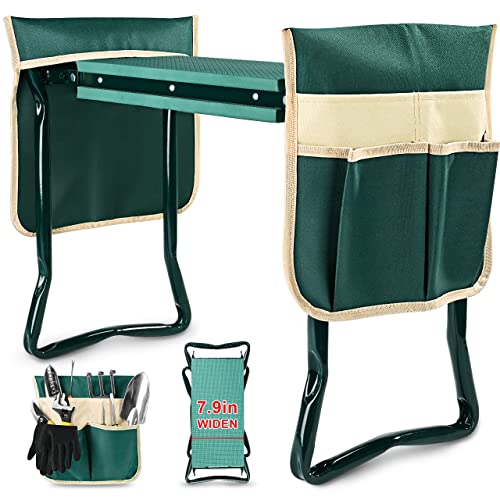
KVR Upgraded Garden Kneeler and Seat with Thicken & Widen Soft Kneeling Pad,Heavy Duty Foldable Gardener Stool with 2 Tool Pouches,Gardening Gifts for Women Mom Men Seniors¡…
Check price on Amazon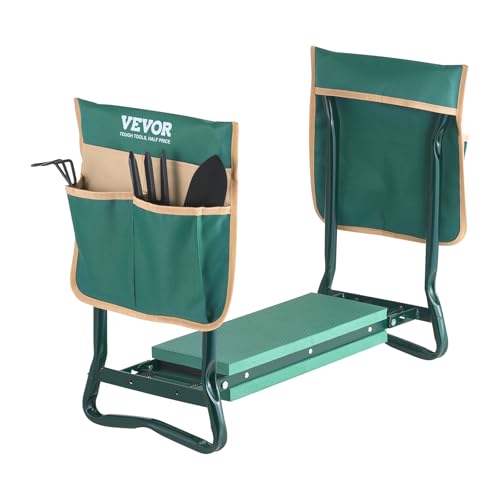
VEVOR Garden Kneeler and Seat Heavy Duty, Kneeling Bench for Gardening | Portable Garden Stool with Kneeling Pad and 2 Tool Bags, Garden Chair to Relieve Knee & Back Pain, Great Gifts for Seniors
Check price on Amazon
Toptoo Garden Kneeler and Seat with 11.5" Wide Pad, Foldable Garden Stool with 2 Tool Bags, Heavy Duty Garden Kneeler for Gardening, Women, Horticulturist
Check price on Amazon
Tovve Foldable Garden Kneeler and Seat, Heavy Duty Garden Stool with 10" Wide Detachable Kneeling Pad, Portable Garden Bench Chair with Large Garden Tool Bag, Gardening Gifts for Women, Seniors, Mom
Check price on Amazon
Backyard Expressions Garden Kneeler & Seat – 2-in-1 Garden Stool and Kneeler, Foldable Gardening Bench with Cushioned Pad for Weeding, Planting & Yard Work
Check price on Amazon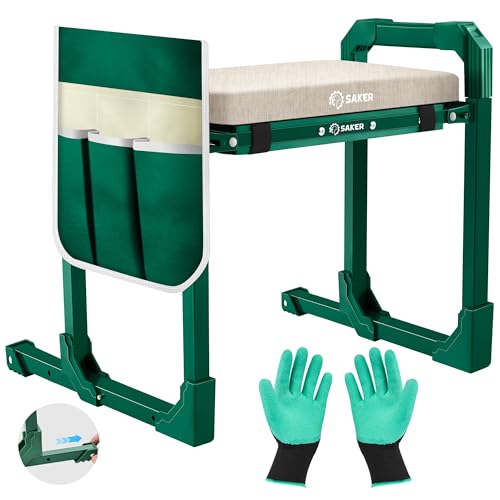
Saker Garden Kneeler and Seat Foldable Gardening Stool with Extendable Legs | Thickened Pad, Tool, Heavy Duty 400lbs Support for Elderly, Gardening, Outdoor Use
Check price on Amazon