Essential Gardening Tools: Your Complete Guide to Choosing the Right Equipment
Whether you are planting your first flower bed or maintaining a mature landscape, the right tools make every task easier, safer, and more enjoyable. This comprehensive guide helps you understand what each tool does, which features matter, and how to build a toolkit that matches your gardening style and skill level.
EXPLORE RECOMMENDED TOOLSWhy Tools Matter: Gardening is physical work, and the quality of your tools directly affects your comfort, efficiency, and results. A sharp pair of pruning shears makes clean cuts that heal faster. An ergonomic trowel reduces hand fatigue during long planting sessions. A well-chosen lawn mower cuts mowing time in half while producing a healthier lawn. Understanding the categories of gardening tools, the features that separate entry-level from premium equipment, and the maintenance habits that extend tool life will help you invest wisely and garden with confidence for years to come.
The Main Categories of Gardening Tools
Gardening tools fall into several broad categories based on the tasks they perform. Knowing these categories helps you identify gaps in your collection and avoid buying redundant equipment. Most gardeners begin with hand tools, then add watering equipment, and gradually invest in power tools as their gardens expand.
Hand Tools
The foundation of every toolkit. Hand tools give you precise control for planting, weeding, and soil work.
- Trowels and hand forks for digging and loosening soil
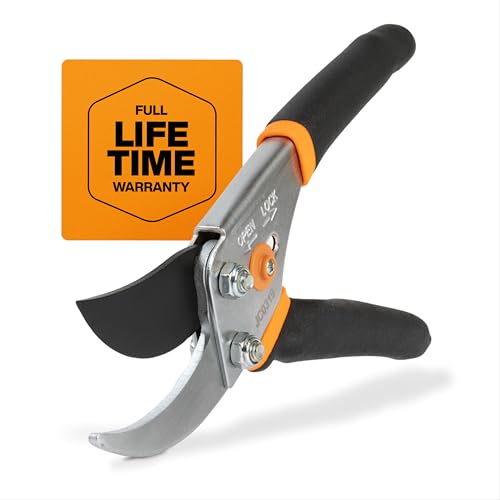
- Pruning shears and loppers for cutting branches
- Weeding tools and cultivators for bed maintenance
- Garden gloves and kneelers for comfort and protection
Watering Tools
Consistent, appropriate watering is the single most important factor in plant health. The right watering tools deliver water efficiently without waste.
- Garden hoses and hose nozzles for flexible watering
- Watering cans for gentle, targeted delivery
- Sprinklers and drip irrigation systems for coverage
- Rain barrels for sustainable water collection
Power Tools
Power equipment saves time and reduces physical strain on larger properties or demanding tasks.
- Lawn mowers for regular grass maintenance
- Hedge trimmers for shaping shrubs and hedges
- Leaf blowers and vacuums for seasonal cleanup
- Tillers and cultivators for soil preparation
Soil & Compost Tools
Healthy soil is the foundation of a thriving garden. These tools help you build and maintain it.
- Compost bins and tumblers for recycling organic matter
- Soil testers for monitoring pH and nutrients
- Wheelbarrows and garden carts for hauling materials
- Compost forks and aerators for turning piles
Pruning & Cutting Tools
Regular pruning keeps plants healthy, shapes growth, and improves airflow. The right cutting tool depends on branch size and plant type.
- Bypass and anvil pruning shears for small branches
- Loppers for thicker branches up to two inches
- Pruning saws for larger limbs
- Hedge shears for formal shaping
Garden Structures & Support
Structures support plants, extend growing seasons, and organize garden spaces.
- Trellises and arbors for climbing plants
- Plant supports and stakes for tall vegetables
- Garden sheds for tool storage and workspace
- Raised bed kits for controlled growing environments
What to Look For When Buying Gardening Tools
Quality varies dramatically across the gardening tool market. The following criteria help you evaluate any tool before purchase, regardless of whether you are shopping for budget-friendly options or investing in professional-grade equipment.
Material Quality
Stainless steel resists rust and is easy to clean. Carbon steel holds a sharper edge but requires more maintenance. Aluminum is lightweight but less durable for heavy digging. For handles, ash and hickory wood absorb shock well, while fiberglass and composite handles offer weather resistance.
Ergonomics
Comfortable tools reduce fatigue and prevent injury. Look for padded grips, properly sized handles for your hand, and designs that keep your wrist in a neutral position. For gardeners with limited grip strength, ratcheting pruners and lightweight tools are valuable options.
Build Durability
Welded connections outlast riveted ones. Solid forged heads resist loosening. Thicker blades maintain sharpness longer. Check that handles are securely attached and that moving parts operate smoothly without excessive play.
Ease of Maintenance
Tools that are simple to clean, sharpen, and store will last longer and perform better. Avoid designs with hard-to-reach crevices where dirt accumulates. Replacement parts availability is a sign of a reputable manufacturer.
Weight & Balance
A tool that feels balanced in your hand requires less effort to control. For digging tools, a slightly heavier head helps penetrate soil, but excessive weight causes fatigue. Test tools in person when possible, or read detailed reviews from gardeners with similar needs.
Brand Reputation
Established brands often provide better warranties, replacement parts, and customer support. Reading brand comparisons helps you understand how different manufacturers approach quality and value across their product lines.
Understanding Tool Tiers: Entry-Level to Premium
Gardening tools are available across a wide range of quality tiers. Understanding what each tier offers helps you match your investment to your needs and experience level. The following table describes the general characteristics of each tier without reference to specific prices, as pricing varies by retailer and region.
| Tier | Best For | Typical Characteristics | Durability |
|---|---|---|---|
| Entry-Level / Budget-Friendly | Beginners, occasional gardeners, small plots | Basic materials, simpler construction, adequate for light use. May require more frequent replacement or maintenance. | 1–3 seasons with regular use |
| Mid-Range / Mid-Tier | Regular gardeners, expanding gardens, hobbyists | Better materials, improved ergonomics, stronger connections. Often the best balance of value and performance for most home gardeners. | 3–7 seasons with proper care |
| Premium / High-End | Serious gardeners, large properties, frequent use | Forged components, superior steel, refined ergonomics, replaceable parts, strong warranties. Designed for daily or heavy use. | 7+ seasons with maintenance |
| Professional / Luxury | Landscapers, market gardeners, collectors | Top-tier materials, precision manufacturing, artisan craftsmanship, lifetime warranties. Often considered heirloom quality. | Decades with care |
For most home gardeners, mid-range tools offer the most sensible investment. They provide noticeable improvements in comfort and durability over entry-level options without the premium cost of professional-grade equipment. Gardeners who use their tools daily, or who maintain large properties, will benefit from stepping up to premium or professional tiers where the long-term value becomes apparent.
The Essential Starter Toolkit for New Gardeners
If you are just beginning, resist the temptation to buy every tool at once. Start with the essentials, learn what tasks you actually perform most often, and expand your collection based on real experience. The following list covers the minimum recommended set for a new gardener.
- Hand trowel: The single most-used hand tool. Choose one with a comfortable grip and a sturdy, forged head. Use it for planting, transplanting, and light weeding.
- Hand fork: Perfect for loosening soil around established plants, removing weeds, and aerating compacted areas in garden beds.
- Bypass pruning shears: Essential for cutting back growth, harvesting, and maintaining shrubs. Bypass blades make clean cuts that heal quickly. Avoid anvil pruners for live plants—they crush stems.
- Garden gloves: Protect your hands from blisters, thorns, and soil-borne irritants. Choose breathable, well-fitted gloves with reinforced palms and fingertips.
- Watering can: A two-gallon can with a removable rose (sprinkler head) lets you water gently at the base of plants without disturbing soil or damaging seedlings.
- Garden hose with nozzle: For larger areas and established beds, a quality hose with an adjustable nozzle provides flexibility and control. Consider a lightweight, kink-resistant hose.
- Garden kneeler or pad: Protect your knees during planting and weeding sessions. A folding kneeler that doubles as a seat is a practical investment for comfort.
As your garden grows, you will naturally identify additional needs. A garden kneeler is a small upgrade that pays dividends in comfort. For lawn maintenance, explore cordless self-propelled mower options when you are ready to invest in power equipment. For hedge maintenance, hedge trimmers range from lightweight electric models to powerful gas units.
Power Tools vs. Hand Tools: When to Choose Each
The decision between power tools and hand tools depends on task size, frequency, and your physical capabilities. Both have a place in a complete toolkit.
Choose Hand Tools When...
- Working in small beds or containers
- Precision matters more than speed
- You want quiet, low-maintenance operation
- You have limited storage space
- You enjoy the tactile connection with your work
Choose Power Tools When...
- Maintaining large lawns or extensive hedges
- Time is limited and efficiency is critical
- Tasks require sustained power (tilling, chipping)
- Physical limitations make manual work difficult
- You need consistent, repeatable results
For powered equipment, an important decision is between cordless and gas-powered tools. Cordless electric tools have improved dramatically in recent years, offering sufficient power for most residential properties with the benefits of quieter operation, no fuel mixing, and lower maintenance. Gas tools remain the choice for very large properties or heavy-duty commercial work. For leaf cleanup, a cordless leaf blower vacuum combines two tools in one and eliminates extension cords. For chainsaw work, chainsaws are available in electric, battery, and gas configurations to match your needs.
How to Maintain Your Gardening Tools for Longevity
Well-maintained tools perform better, last longer, and are safer to use. A few simple habits will keep your investment in good condition for years.
- Clean after every use: Remove soil and plant debris with a stiff brush. Soil left on metal surfaces traps moisture and promotes rust. For pruning tools, disinfect blades with rubbing alcohol between plants to prevent disease spread.
- Dry thoroughly before storage: Moisture is the enemy of metal tools. Wipe dry and allow tools to air-dry completely before putting them away.
- Sharpen regularly: Sharp blades cut more efficiently and safely. A dull pruning shear requires more force, increasing the risk of slipping or straining. Use a file or sharpening stone appropriate for the blade type.
- Oil metal surfaces: A light coat of oil (such as camellia oil or a general-purpose machine oil) on blades and metal heads prevents rust. Apply after cleaning and drying.
- Store properly: Hang tools or store them in a dry location. Avoid leaving tools on the ground or in damp sheds. A garden shed with proper ventilation and tool storage keeps equipment organized and protected.
- Inspect before use: Check handles for cracks, connections for looseness, and blades for damage. Repair or replace compromised tools before they fail during use.
Frequently Asked Questions About Gardening Tools
Ready to Build Your Toolkit?
Explore our curated selection of recommended gardening tools below. Each product has been evaluated for quality, value, and suitability for home gardeners. Whether you need a single upgrade or are building a complete toolkit from scratch, these recommendations provide a reliable starting point.
VIEW RECOMMENDED TOOLS