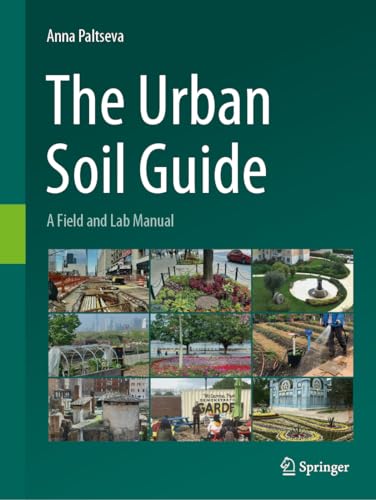
Soil Guides: The Foundation of Every Thriving Garden
Understand your soil, choose the right mix, and build a living foundation for healthier plants, bigger harvests, and a garden that lasts for years.
START WITH SOIL BASICS
Why Soil Comes First: Great gardeners know that plants are only as healthy as the soil beneath them. Whether you are filling a raised garden bed for vegetables, refreshing indoor containers with potting soil and potting mix, or diagnosing a struggling lawn, understanding soil structure, pH, drainage, and organic matter gives you the power to fix problems before they appear. This soil guide hub covers everything from choosing the right mix to testing and amending your existing ground.
Soil Basics Every Gardener Should Know
Soil Texture & Structure
Learn the difference between sandy, clay, and loam soils — and why loam remains the gold standard for most garden plants.
Soil pH & Nutrients
Understand how pH affects nutrient availability and which plants thrive in acidic, neutral, or alkaline conditions.
Drainage & Aeration
Discover why waterlogged roots kill more plants than drought, and how to improve drainage in beds and containers.
Organic Matter & Compost
Feed the soil food web with compost, aged manure, and mulch that build long-term fertility and moisture retention.
Potting Soil vs. Garden Soil vs. Raised Bed Mix
One of the most common sources of confusion for new gardeners is choosing the right growing medium for each situation. These three categories serve very different purposes, and using the wrong one can lead to poor drainage, root rot, or stunted growth.
| Soil Type |
Best For |
Key Characteristics |
Quality Tier |
| Potting Mix |
Containers, houseplants, seed starting |
Soilless, lightweight, excellent drainage, sterile |
Entry-level to premium blends |
| Garden Soil |
In-ground beds, lawns, large plantings |
Heavy, native earth, variable fertility |
Budget-friendly to mid-tier |
| Raised Bed Mix |
Raised beds, square foot gardens |
Blend of topsoil, compost, and drainage material |
Mid-range to high-end formulations |
| Seed Starting Mix |
Germinating seeds, delicate seedlings |
Very fine texture, low nutrients, moisture-retentive |
Affordable to mid-priced |
For most raised beds, a dedicated raised bed soil blend saves time and delivers better results than mixing native soil with compost yourself. Container gardeners should always start with a quality potting soil and potting mix rather than digging soil from the yard, since garden soil compacts in pots and suffocates roots. And if you are building a new bed from scratch, a premium organic garden mix gives you a nutrient-rich, ready-to-plant foundation without the guesswork.
Testing and Amending Your Soil
Before adding fertilizer or amendments, test your soil. A simple soil tester reveals pH, moisture, and nutrient levels, so you can correct imbalances with precision instead of guesswork. Home test kits are affordable and easy to use; for detailed lab analysis, your local extension office offers low-cost testing that includes micronutrients and organic matter content.
Once you know your baseline, amendments become straightforward. Clay soils benefit from gypsum and compost to improve structure. Sandy soils need organic matter to hold water and nutrients. Acid-loving plants such as hydrangeas may require sulfur or aluminum sulfate, while vegetables usually prefer a pH between 6.0 and 7.0. Always work amendments into the top six to twelve inches of soil and water thoroughly afterward.
Featured Soil Guides
Raised Bed Soil: How to Fill Your Beds for Healthy Roots
Filling a raised bed correctly is the single biggest factor in its success. Learn the ideal blend ratios, how much soil you need, and why native dirt alone is rarely enough for vegetables and flowers.
Read More →
Potting Soil and Potting Mix: What Container Plants Really Need
Not all bagged mixes are equal. Understand the difference between potting soil and potting mix, when to choose a moisture-retentive blend, and how to refresh tired container soil between seasons.
Read More →
Soil Testers: Measure pH, Moisture, and Nutrients Before You Plant
A soil tester takes the guesswork out of amendments. Discover what the different meters measure, how to interpret readings, and when a lab test is worth the extra effort.
Read More →
Building Living Soil with Compost and Organic Matter
Healthy soil is alive. A single teaspoon of good garden soil contains billions of microorganisms that break down organic matter, cycle nutrients, and suppress disease. Compost is the most accessible way to feed that biology. Whether you use a tumbler, a bin, or a simple pile, compost returns kitchen scraps and yard waste to the soil as a rich, dark amendment that improves both sandy and clay soils.
Mulch on top of the soil — leaves, straw, wood chips, or grass clippings — protects the soil surface from erosion and temperature swings while slowly breaking down into organic matter. For gardeners who want a ready-made boost, a premium organic garden mix delivers compost and aged bark in one bag, ideal for topping off beds or mixing into native soil.
Understanding Soil Product Quality Tiers
When shopping for bagged soil, mixes, and amendments, the product description often matters more than the label. Here is how to interpret common quality descriptors used across garden retailers:
| Tier Descriptor |
What It Typically Means |
Best Use Case |
| Budget-friendly / Entry-level |
Basic soilless mix or native topsoil; fewer organic inputs |
Filling large beds economically, non-demanding plants |
| Mid-range / Mid-tier |
Balanced blend of peat or coir, compost, and perlite |
General container gardening and raised beds |
| Premium / High-end |
Extra compost, aged bark, slow-release nutrients, better aeration |
Vegetables, flowering plants, long-season containers |
| Luxury / Top-tier |
Specialty formulations, certified organic inputs, precise pH buffering |
High-value crops, sensitive houseplants, seed starting |
For most gardeners, mid-range products deliver the best balance of performance and value. Premium blends shine in raised vegetable beds and long-term container plantings where soil structure matters most. Entry-level mixes work well for filling large areas or for low-demand ornamentals, but they usually require added compost or fertilizer after the first season.
Frequently Asked Questions About Soil
How often should I replace potting soil?
Refresh container soil every one to two years for heavy feeders like tomatoes and flowering annuals. Houseplants in stable conditions can go longer if you top-dress with compost and fertilize regularly. Signs that soil needs replacing include poor drainage, crusting, and persistent pests or disease.
Can I use garden soil in pots?
No — garden soil compacts in containers, reducing drainage and oxygen to roots. Always use a potting mix formulated for containers, which stays lightweight and allows water to move freely.
What is the best soil for raised vegetable beds?
A blend of topsoil, compost, and a drainage material such as coarse sand or perlite works best. Many gardeners use a dedicated raised bed mix that already balances these components. Avoid filling beds entirely with heavy clay or pure compost, both of which cause problems.
How do I improve clay soil?
Add organic matter such as compost and aged manure, and consider gypsum to improve structure. Avoid working clay while it is wet, and never till it into a smooth, compacted surface. Mulching on top helps over time as earthworms and microbes incorporate organic material.
Is it worth buying a soil tester?
Yes, especially if you are starting a new garden or troubleshooting plant problems. An inexpensive soil tester gives you actionable pH and moisture data. For detailed nutrient analysis, a lab test through your extension office is a worthwhile investment.