The Complete Roses Care Guide: Grow Stunning Blooms Year After Year
Roses are the queens of the garden, and with the right roses care knowledge, anyone can cultivate breathtaking blooms. Whether you're a first-time grower or an experienced gardener, this comprehensive guide covers everything from selecting the perfect variety to mastering pruning techniques and managing common diseases.
EXPLORE ROSE VARIETIESRoses have captivated gardeners for centuries with their intoxicating fragrance and endless variety of colors and forms. However, many people hesitate to grow them, believing roses care is too complicated. The truth is that modern rose varieties are more resilient than ever, and with a solid understanding of their basic needs—sunlight, water, nutrients, and proper pruning—you can enjoy a spectacular rose garden with less effort than you might think. This guide breaks down every aspect of roses care into clear, actionable steps.
Key Takeaway: Successful roses care starts with choosing the right variety for your climate and garden conditions. A well-chosen rose planted in the right spot with proper soil preparation will reward you with decades of beautiful blooms.
Understanding Rose Types: Which One Is Right for Your Garden?
Before diving into roses care techniques, it's essential to understand the different types of roses available. Each category has unique growth habits, care requirements, and blooming patterns. Choosing the right type will make your roses care journey significantly easier and more rewarding.
| Rose Type | Characteristics | Best For | Care Level |
|---|---|---|---|
| Hybrid Tea Roses | Large, single blooms on long stems; classic rose shape | Cut flowers, formal gardens | Moderate to High |
| Floribunda Roses | Clusters of medium-sized blooms; continuous flowering | Mass planting, borders | Moderate |
| Grandiflora Roses | Combines hybrid tea form with floribunda hardiness | Back of borders, hedges | Moderate |
| Climbing Roses | Long canes that can be trained on structures | Arbors, trellises, fences | Moderate |
| Shrub Roses | Bushy, disease-resistant, low-maintenance | Landscaping, hedges | Low |
| Knock Out Roses | Extremely disease-resistant, self-cleaning, repeat bloomer | Beginners, low-maintenance gardens | Very Low |
| Miniature Roses | Tiny blooms on compact plants; perfect for containers | Patios, small spaces, indoor growing | Moderate |
| David Austin Roses | Old-fashioned flower forms with modern repeat blooming | Cottage gardens, fragrant gardens | Moderate |
If you're new to roses care, start with shrub roses or Knock Out varieties. These are bred for disease resistance and require minimal intervention. For those interested in incorporating roses into a broader garden design, consider how they complement other perennial flowers and evergreen shrubs for year-round structure.
How to Plant Roses: A Step-by-Step Foundation for Success
Proper planting is the cornerstone of successful roses care. A rose planted correctly from the start will establish faster, grow stronger, and resist pests and diseases more effectively. Here's exactly how to do it right.
Choose the Perfect Location
Select a spot with at least 6 hours of direct sunlight daily. Morning sun is ideal as it dries dew quickly, reducing fungal disease risk. Ensure good air circulation but avoid windy spots.
Prepare the Soil
Roses thrive in rich, well-draining loam with a pH between 6.0 and 6.5. Dig a hole twice as wide as the root ball and amend with compost and aged manure. Proper soil preparation is critical.
Soak Bare-Root Roses
If planting bare-root roses, soak the roots in water for 8–24 hours before planting. This rehydrates the plant and jumpstarts establishment. Container-grown roses can be planted directly.
Plant at the Right Depth
In cold climates, the bud union (the swollen area where the rose is grafted) should be 1–2 inches below soil level. In warm climates, position it at or slightly above soil level. Backfill gently.
Water Deeply
After planting, water thoroughly to settle the soil around the roots. Create a small basin around the base to direct water to the root zone. Follow a consistent watering schedule.
Apply Mulch
Spread 2–3 inches of organic mulch around the base, keeping it away from the stem. Mulch conserves moisture, regulates soil temperature, and suppresses weeds.
The ideal planting time depends on your climate. In most regions, plant roses in early spring after the last frost, or in fall about six weeks before the first hard frost. Bare-root roses must be planted while dormant, typically in late winter to early spring.
Watering and Fertilizing Roses: The Dynamic Duo of Roses Care
Consistent watering and proper nutrition are the two most important ongoing aspects of roses care. Roses are heavy feeders and need regular moisture to produce their signature blooms.
Watering Best Practices
Established roses need about 1–2 inches of water per week, delivered deeply and infrequently rather than shallow daily sprinklings. Deep watering encourages roots to grow downward, making plants more drought-tolerant. Always water at the base of the plant using a soaker hose or drip irrigation—wet foliage invites fungal diseases like black spot and powdery mildew. For more detailed guidance on watering techniques, refer to our comprehensive watering guide.
Fertilizer Schedule for Optimal Blooms
Roses require a steady supply of nutrients throughout the growing season. A balanced fertilizing routine should include:
- Early Spring (after pruning): Apply a balanced slow-release granular fertilizer (10-10-10 or 14-14-14) as new growth emerges. This provides a steady nutrient supply for the first flush of blooms.
- After First Bloom Cycle: Apply a second round of fertilizer to support the next wave of flowers. Liquid fertilizers work quickly and are excellent for this purpose.
- Mid-Summer: A light feeding of fish emulsion or compost tea supports continued blooming without encouraging tender growth that's vulnerable to heat stress.
- Stop Fertilizing 6–8 Weeks Before First Frost: Cease all fertilization in late summer to allow the plant to harden off for winter dormancy.
For those interested in organic approaches, explore natural plant fertilizers such as bone meal, alfalfa meal, and kelp extracts. Many gardeners also incorporate roses into their companion planting strategies, pairing them with garlic, lavender, and marigolds to naturally deter pests.
Pruning Roses: The Art and Science of Shaping Beauty
Pruning is perhaps the most intimidating aspect of roses care for many gardeners, but it's actually straightforward once you understand the principles. Proper pruning stimulates vigorous growth, improves air circulation, and maximizes flower production.
Essential Pruning Tools Checklist
- Sharp bypass pruners (bypass cuts cleanly; avoid anvil types that crush stems)
- Loppers for thick, woody canes over ½ inch in diameter
- Heavy-duty rose gloves that extend past the wrist for thorn protection
- Pruning saw for very old, thick canes on established climbers
- Rubbing alcohol or bleach solution to disinfect tools between cuts
When to Prune Different Rose Types
The timing of pruning varies by rose type and climate. In most regions, the main pruning happens in late winter or early spring when buds begin to swell but before new growth fully emerges. For general pruning techniques, the same principles apply across many woody plants.
- Hybrid Teas, Floribundas, Grandifloras: Prune hard in late winter, cutting back to 12–18 inches and removing all dead, damaged, or crossing canes. Aim for an open vase shape with 4–6 healthy main canes.
- Shrub and Knock Out Roses: Prune lightly in late winter to shape and remove dead wood. These can be trimmed with hedge shears if desired, but selective pruning produces better form.
- Climbing Roses: Prune after the first flush of blooms in early summer. Train main canes horizontally to encourage flowering laterals. Remove only about one-third of the oldest canes annually.
- Once-Blooming Old Garden Roses: Prune immediately after flowering finishes in early summer. Pruning in winter removes the next season's flower buds.
Pro Tip: The Five D's of Pruning
When in doubt, remember to always remove the "Five D's": Dead, Damaged, Diseased, Crossing (Diagonal), and Deformed canes. If you do nothing else, removing these five types of growth will dramatically improve your roses' health and appearance.
Common Rose Diseases and Pests: Identification and Organic Solutions
Even with excellent roses care, pests and diseases occasionally appear. Early identification and prompt treatment are key to preventing minor issues from becoming major problems.
Black Spot
Symptoms: Circular black spots on leaves, yellowing, and premature leaf drop.
Organic Solution: Remove infected leaves immediately. Spray with neem oil or a baking soda solution (1 tsp baking soda, 1 tsp horticultural oil per quart of water) weekly. Ensure good air circulation through proper pruning.
Powdery Mildew
Symptoms: White powdery coating on leaves, stems, and buds; distorted new growth.
Organic Solution: Apply a milk spray (1 part milk to 9 parts water) or sulfur-based fungicide. Plant roses where they receive morning sun to dry dew quickly.
Aphids
Symptoms: Clusters of tiny green, black, or pink insects on new growth and buds; sticky honeydew residue.
Organic Solution: Blast with a strong stream of water to dislodge. Encourage beneficial insects like ladybugs and lacewings. Use insecticidal soap for severe infestations. Explore broader natural pest control methods.
Japanese Beetles
Symptoms: Metallic green and copper beetles skeletonizing leaves and devouring blooms.
Organic Solution: Hand-pick beetles in early morning when they're sluggish (drop into soapy water). Use pheromone traps placed far from roses. Apply milky spore to lawns to control grubs.
Rose Rosette Disease
Symptoms: Witches' broom (clusters of small, red, distorted stems), excessive thorns, deformed flowers.
Solution: There is no cure. Remove and destroy infected plants immediately, including roots. This viral disease spreads via microscopic mites and is fatal to roses.
Thrips
Symptoms: Brown edges on petals, distorted buds that fail to open, silvery stippling on leaves.
Organic Solution: Apply spinosad or neem oil sprays. Remove and dispose of spent blooms that harbor thrips. Blue sticky traps help monitor populations.
Prevention is always easier than treatment. Choose disease-resistant varieties, maintain proper spacing for air circulation, water at the base rather than overhead, and keep the garden clean of fallen leaves and debris. If you're designing a mixed border, consider combining roses with drought-tolerant companion plants that share similar cultural requirements without competing aggressively for resources.
Seasonal Roses Care Calendar: Year-Round Maintenance at a Glance
Roses care follows a predictable rhythm through the seasons. This calendar summarizes the key tasks for each time of year, ensuring you never miss a critical maintenance window.
| Season | Key Tasks | Timing Notes |
|---|---|---|
| Spring |
• Remove winter protection gradually • Complete major pruning before buds break • Apply first round of fertilizer • Apply fresh mulch layer • Begin regular watering schedule • Scout for early aphids |
As soon as forsythia blooms in your area, it's time to prune roses and begin spring roses care. |
| Summer |
• Deadhead spent blooms regularly (except self-cleaning varieties) • Apply second round of fertilizer after first bloom flush • Monitor for black spot, powdery mildew, and pests • Deep water 1–2 times weekly during dry spells • Cut back overly vigorous canes on climbers |
Reduce fertilizing during extreme heat. Focus on consistent moisture and pest monitoring. |
| Fall |
• Stop deadheading to allow hips to form (signals dormancy) • Cease fertilization 6–8 weeks before first frost • Rake and dispose of fallen leaves to prevent disease • Reduce watering frequency as temperatures cool • Plant new bare-root roses (in warm climates) |
Fall cleanup is critical for disease prevention next season. Remove all debris from rose beds. |
| Winter |
• Apply winter protection in cold zones (zone 6 and colder) • Mound soil or compost 8–12 inches over the bud union • Wrap climbing roses with burlap in harsh climates • Clean and sharpen pruning tools for spring • Order bare-root roses for spring planting • Review garden notes and plan changes |
Winter protection goes on after the ground freezes and comes off gradually as temperatures warm in spring. |
How to Propagate Roses: Multiply Your Favorite Varieties for Free
Learning to propagate roses is a rewarding skill that allows you to expand your collection at no cost. While some modern roses are patented and cannot legally be propagated, many heirloom and older varieties can be multiplied through stem cuttings. This technique falls under the broader skill of plant propagation, which applies to many garden plants.
The most reliable method for home gardeners is taking semi-hardwood cuttings in late summer or early fall. Select a healthy stem that has recently flowered, cut a 6–8 inch section just below a leaf node, remove all but the top two leaves, dip the cut end in rooting hormone, and insert into a pot filled with moist potting mix. Cover with a clear plastic bag to maintain humidity and place in bright, indirect light. Roots typically develop in 4–8 weeks.
For antique and species roses, you can also try growing from seed, though this requires patience—rose seeds need a period of cold stratification before they'll germinate. Regardless of your propagation method, raising your own plants from cuttings or seeds deepens your connection to the garden and makes roses care even more satisfying.
Expert Tips for Spectacular Roses Year After Year
After mastering the fundamentals of roses care, these expert insights will help take your rose garden to the next level:
- Mulch Matters: Use organic mulch like shredded bark, compost, or well-rotted manure. It feeds the soil as it breaks down and dramatically reduces watering needs.
- Deadhead Strategically: Cut spent blooms back to the first set of five leaflets for strong reblooming. Stop deadheading in late summer to encourage dormancy.
- Companion Plant Wisely: Pair roses with plants that share their cultural needs. Lavender, catmint, and salvia are classic companions that deter pests. Explore more ideas in our guide to companion planting with flowers.
- Rotate Disease Controls: If using fungicides, alternate between products with different modes of action to prevent resistance buildup.
- Keep Records: Maintain a garden journal noting which varieties perform best, when problems appear, and what treatments were effective. This information is invaluable for refining your roses care approach over time.
- Consider Fragrance: When selecting new roses, don't overlook fragrance. Varieties like 'Double Delight', 'Mr. Lincoln', and 'Gertrude Jekyll' are renowned for their intoxicating scent.
Roses can also be stunning components of a butterfly garden, attracting pollinators while providing cut flowers for your home. Single-flowered and semi-double varieties are best for pollinators, as bees and butterflies can easily access their pollen and nectar.
Top-Rated Rose Care Products & Tools for Healthy, Beautiful Blooms
⚠️ AFFILIATE DISCLOSURE: This website contains affiliate links. As an Amazon Associate, we earn from qualifying purchases. If you make a purchase through these links, we may receive a small commission at no additional cost to you. Read our full affiliate policy.

BioAdvanced All-in-One Rose and Flower Care I Granules - 4 lb Bottle | Fertilizer, Insect Control, and Disease Control - Prevents Pests and Diseases - Up to 6 Weeks Protection
Check price on Amazon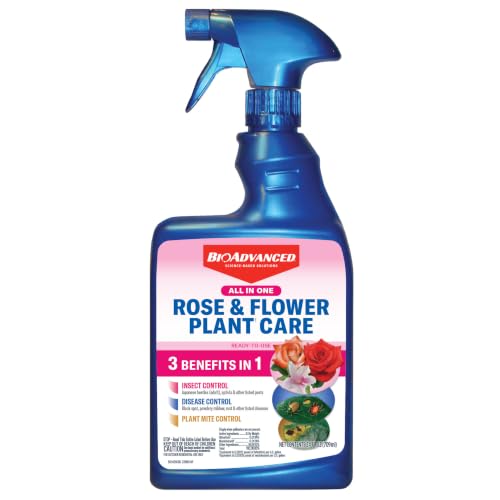
BioAdvanced All-in-One Rose and Flower Plant Care Spray - 24 fl oz Bottle | Insect Control, Disease Control, & Plant Mite Killer - Ready-to-Use - Prevents Pests and Diseases - Up to 14 Days Protection
Check price on Amazon
BioAdvanced Rose & Flower Insect Killer Spray - 24 oz Bottle | Kills 100+ Insects on Contact - Ready-to-Use - Up to 14 Days Protection - For Roses, Flowers, and Garden Plants
Check price on Amazon
BioAdvanced All-In-One Rose and Flower Care Concentrate - 32 oz Bottle | Rose Fertilizer - Prevents Listed Pests and Diseases - Up to 6 Weeks Protection
Check price on Amazon
Bonide Captain Jack's Rose Rx 4-in-1 Insect & Disease Control, 32 oz Ready-to-Use Spray Neem Oil for Organic Gardening
Check price on Amazon
BioAdvanced All-in-One Rose & Flower Plant Care - 1 Gal | Ready-to-Use - Insect Control, Disease Control, and Plant Mite Killer - Prevents Listed Pests & Diseases
Check price on Amazon
BioAdvanced 2-in-1 Systemic Rose and Flower Care Granules - 5 lb Bottle | Fertilizer and Insect Control - Up to 8 Weeks Protection - Plant Food
Check price on Amazon