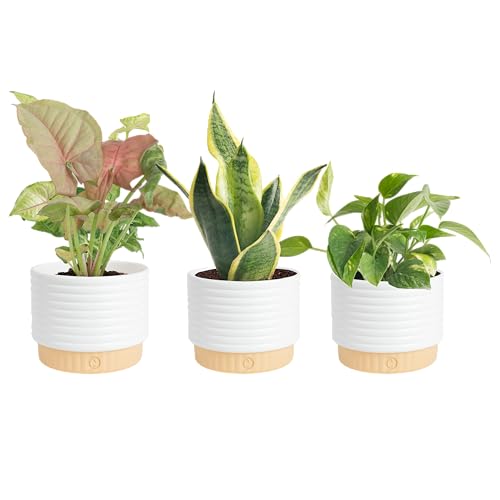
Best Air Purifying Plants for a Healthier Home
Discover the top indoor plants that naturally clean your air, remove toxins, and improve your well-being. Expert care guides for every home.
Explore Top Plants →Why You Need Air Purifying Plants in Your Home
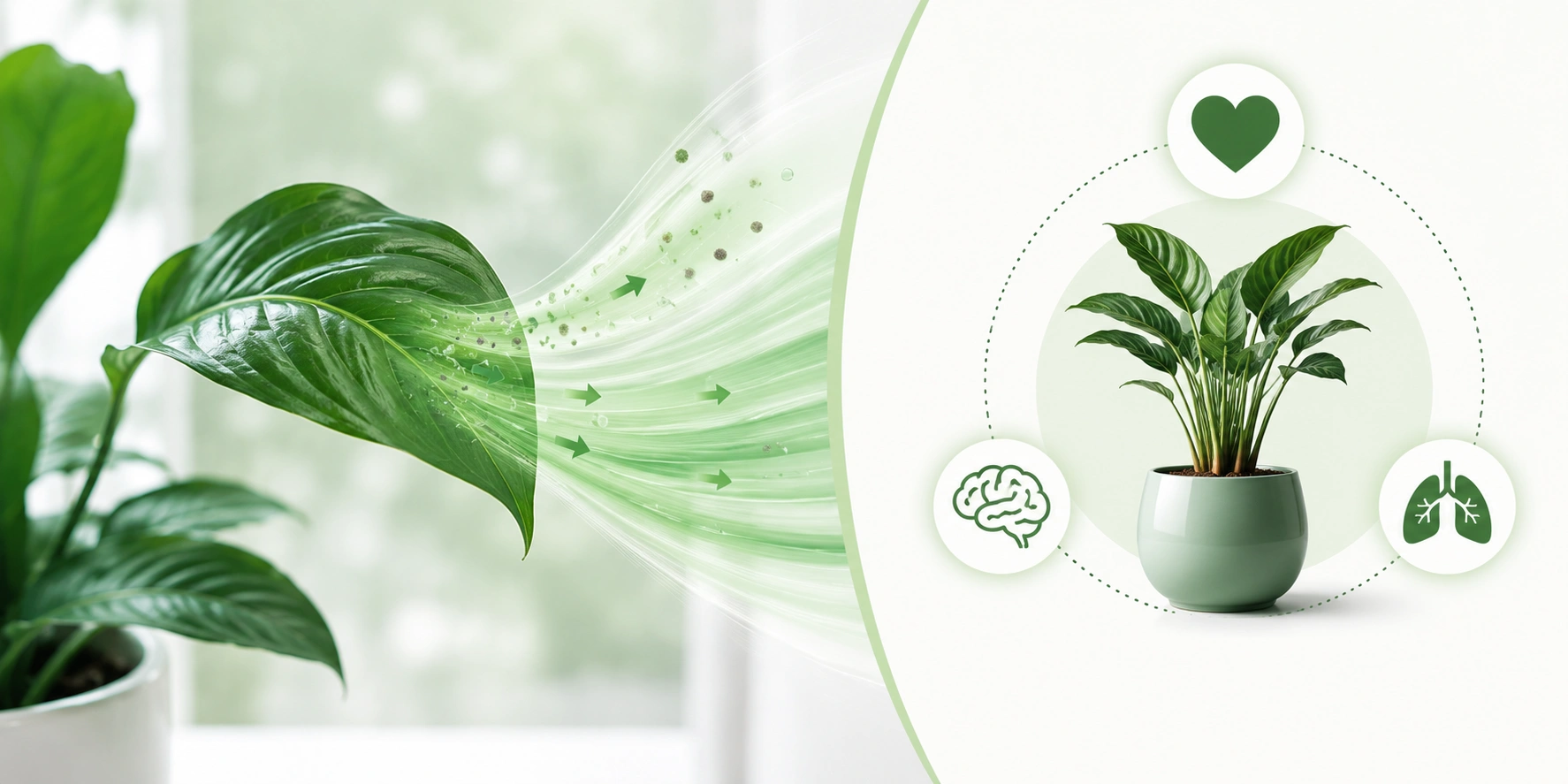
Indoor air quality is a growing concern for modern households. From VOCs emitted by furniture and paint to everyday dust and mold spores, our indoor environments can harbor pollutants that affect our health and well-being. This is where air purifying plants come in as natural, elegant, and effective solutions.
Inspired by the famous NASA Clean Air Study, certain houseplants have been scientifically proven to remove common toxins like formaldehyde, benzene, trichloroethylene, and ammonia from the air. But beyond their air-cleaning abilities, these plants bring life, color, and a sense of calm to any space. Whether you're a seasoned plant parent or just starting your indoor gardening journey, adding air purifying plants to your home is one of the most rewarding decisions you can make.
In this comprehensive guide, we'll introduce you to the best air purifying plants, their specific benefits, care requirements, and how to incorporate them into your living space for maximum impact. Let gardening transform your home into a healthier, happier sanctuary.
Top Air Purifying Plants for Every Home
Here are the best indoor plants that combine superior air purification with ease of care. Each plant has unique strengths, making it suitable for different rooms and lifestyles.
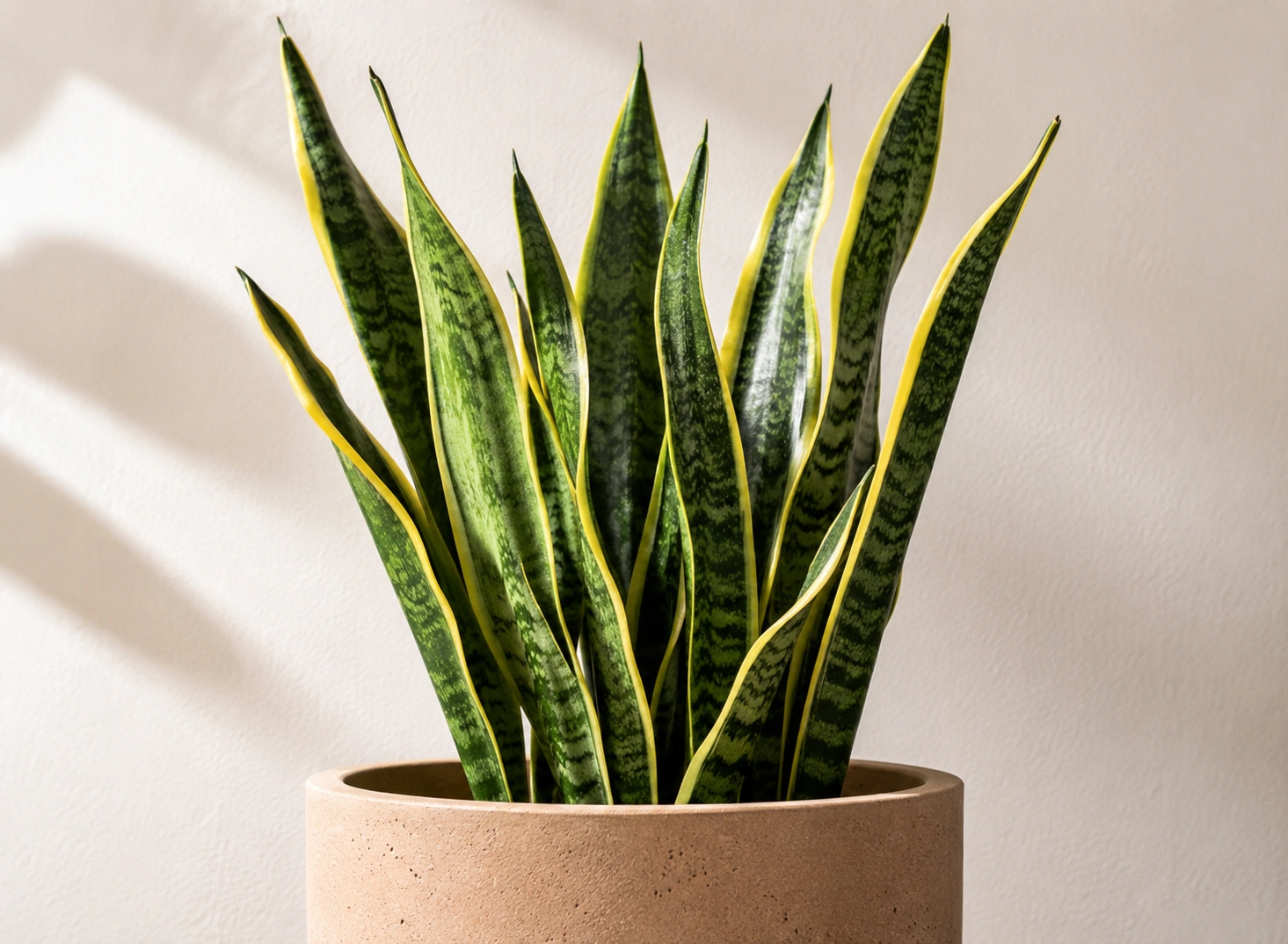
Snake Plant (Sansevieria)
Benefits: Filters formaldehyde, xylene, and toluene. Converts CO₂ to oxygen at night.
⭐ Best for: Bedrooms, low-light areas
Care: Low water, tolerates neglect. Thrives in indirect light.
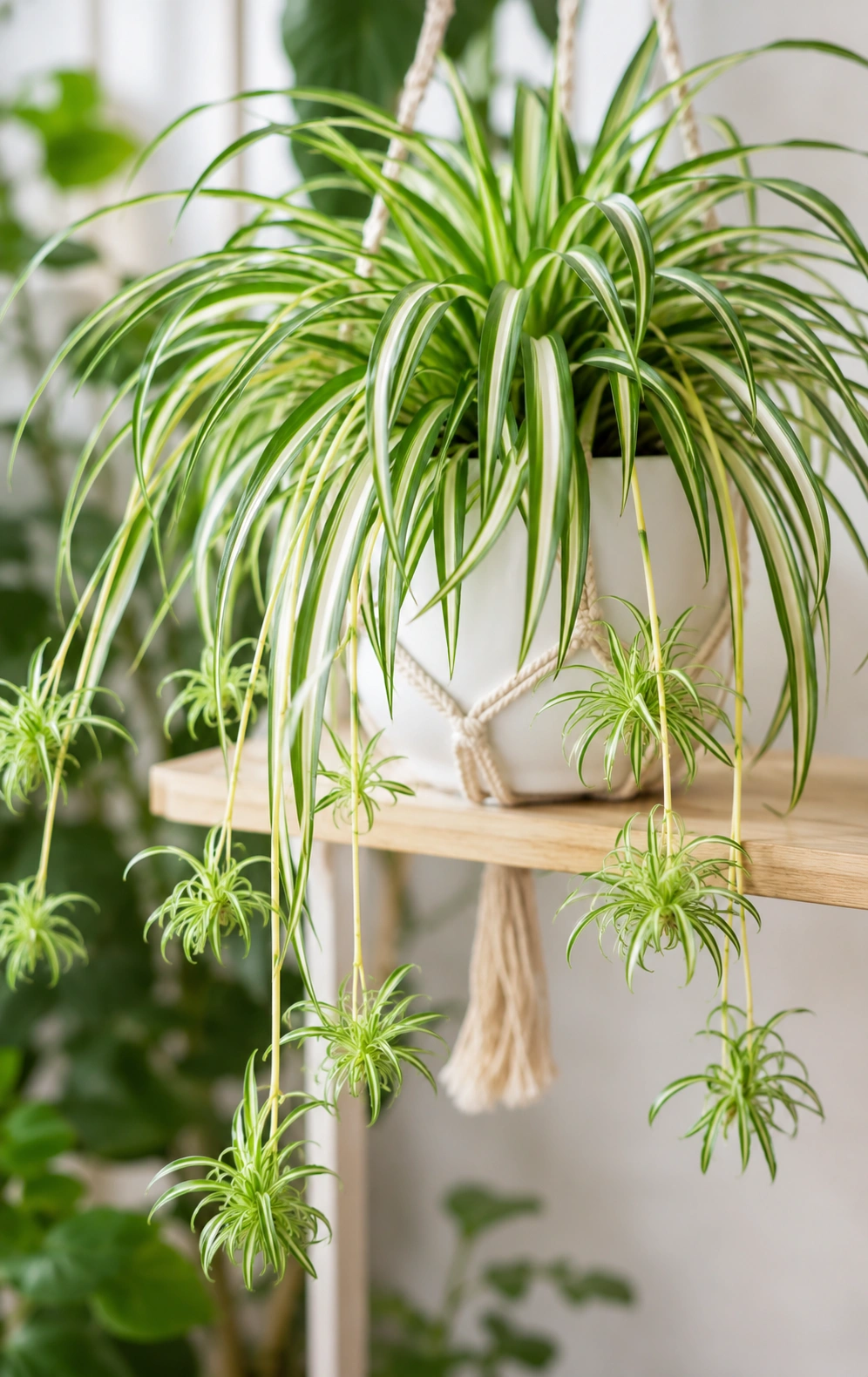
Spider Plant (Chlorophytum)
Benefits: Removes formaldehyde, carbon monoxide, and xylene. Safe for pets.
⭐ Best for: Kitchens, bathrooms, beginner gardeners
Care: Moderate water, bright indirect light.
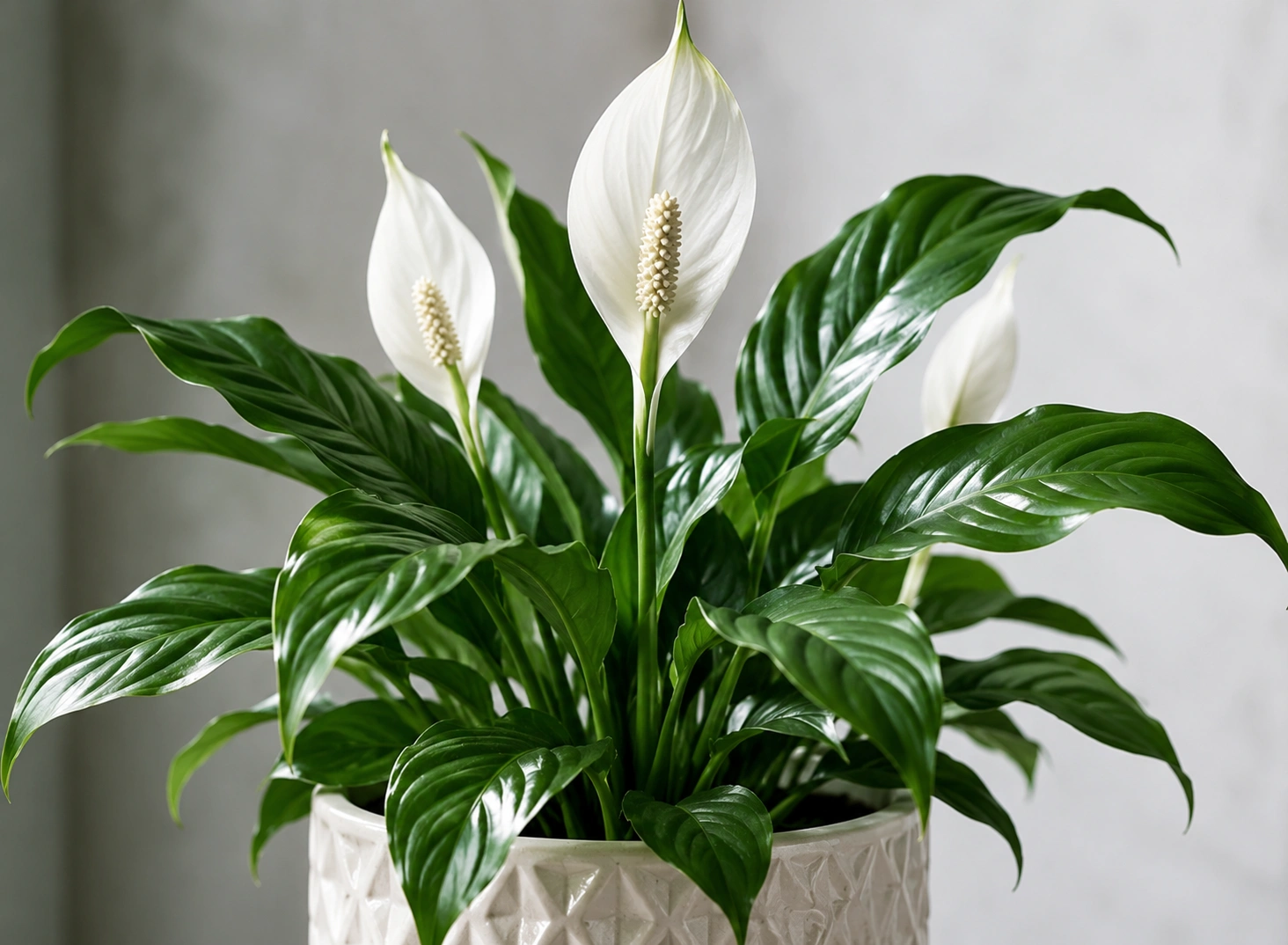
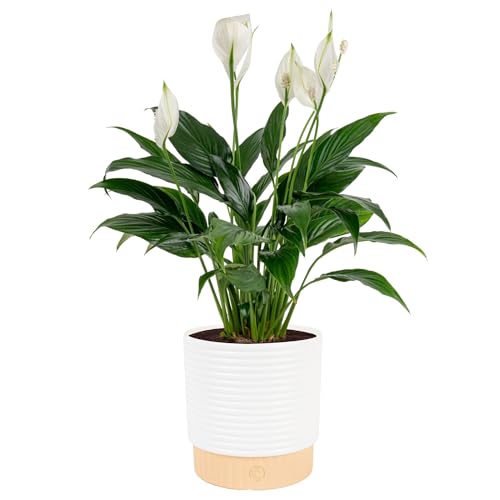
Peace Lily (Spathiphyllum)
Benefits: Removes benzene, formaldehyde, trichloroethylene, and ammonia.
⭐ Best for: Living rooms, offices, high-humidity areas
Care: Keep soil moist, low to medium light.
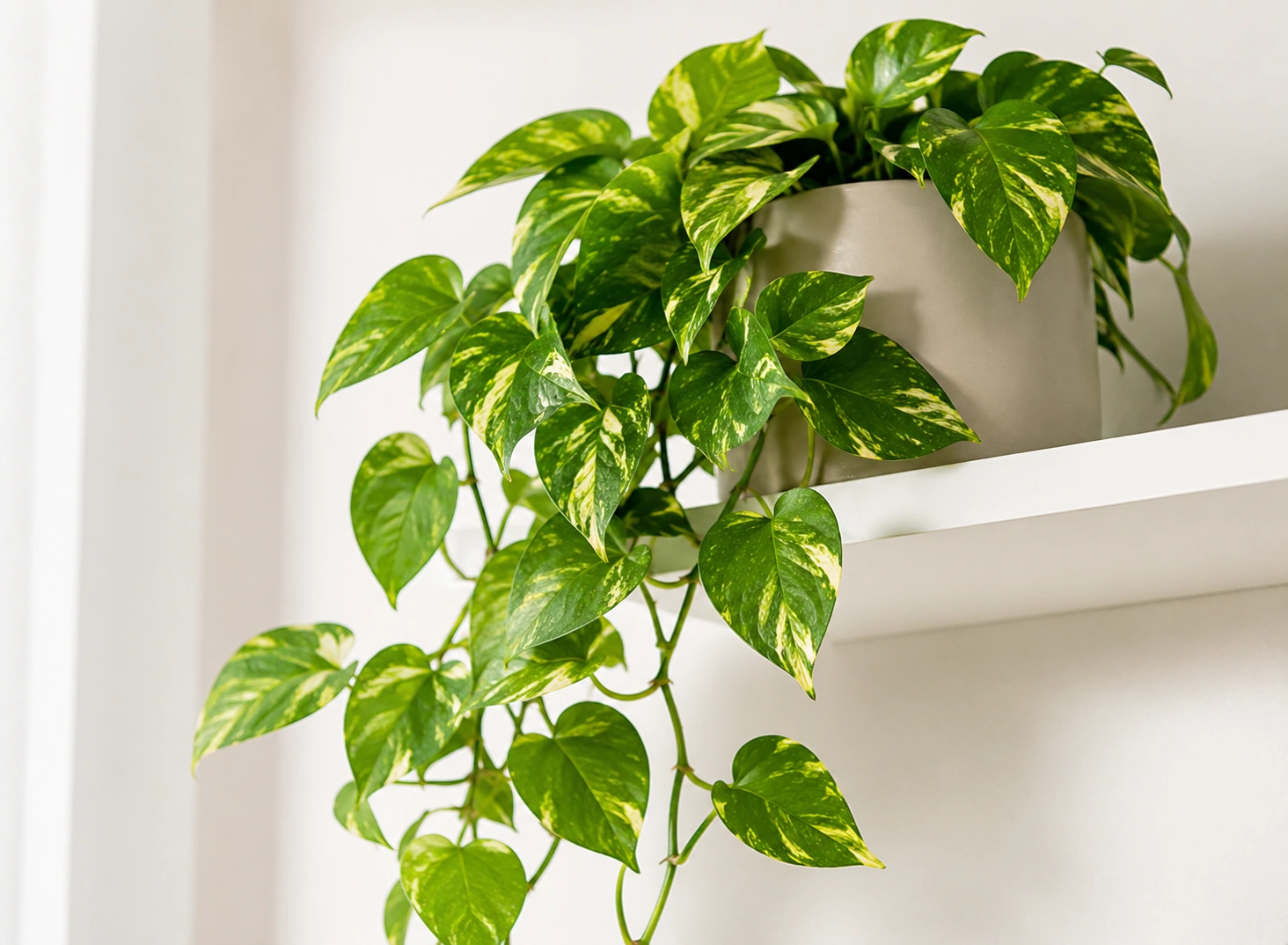
Golden Pothos (Epipremnum)
Benefits: Removes formaldehyde, benzene, and carbon monoxide.
⭐ Best for: Hanging baskets, bookshelves, low-maintenance homes
Care: Low water, tolerates low light.
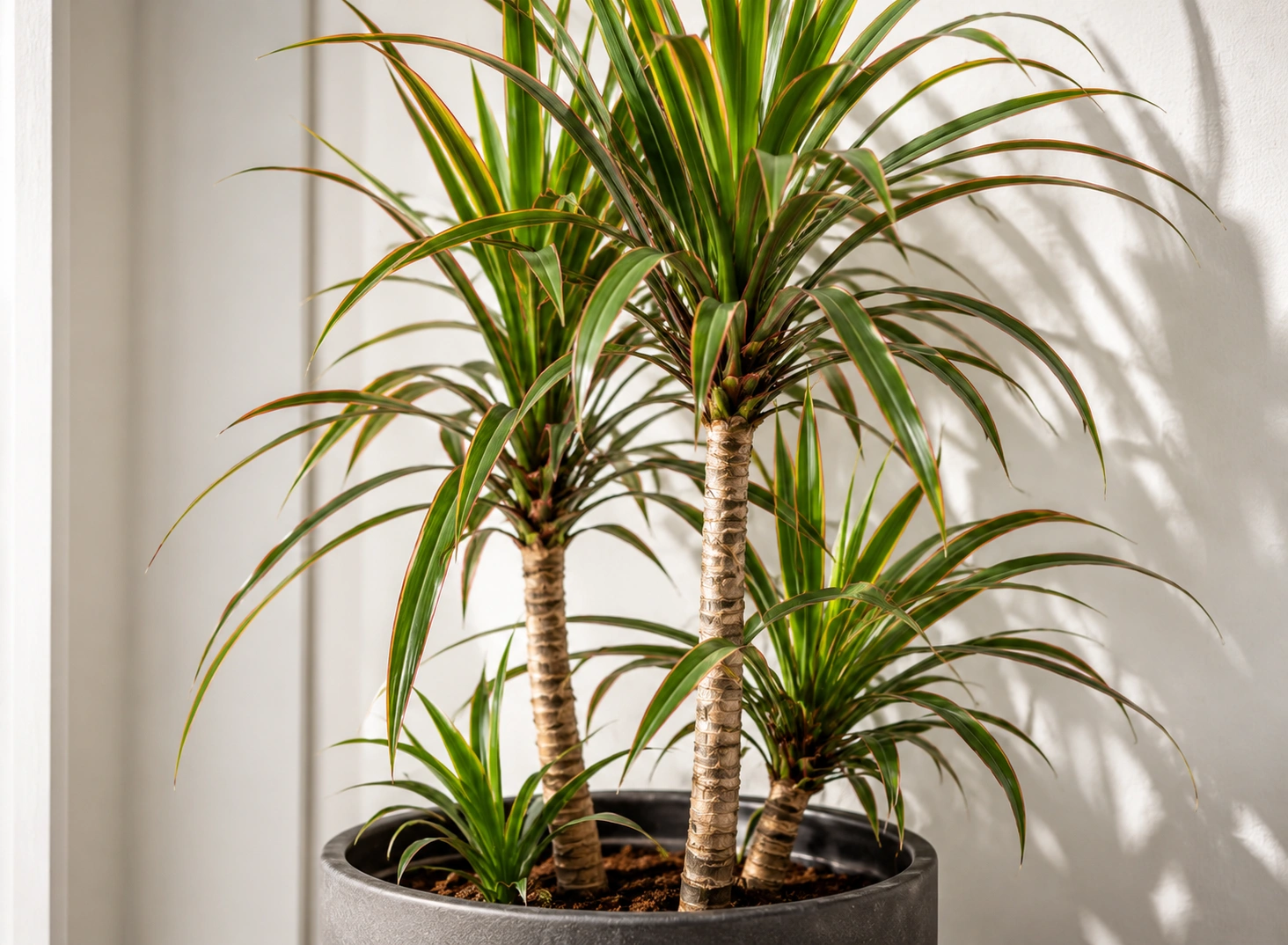
Dracaena (Dracaena spp.)
Benefits: Removes xylene, trichloroethylene, and formaldehyde.
⭐ Best for: Corners, spacious rooms, offices
Care: Moderate water, bright indirect light.
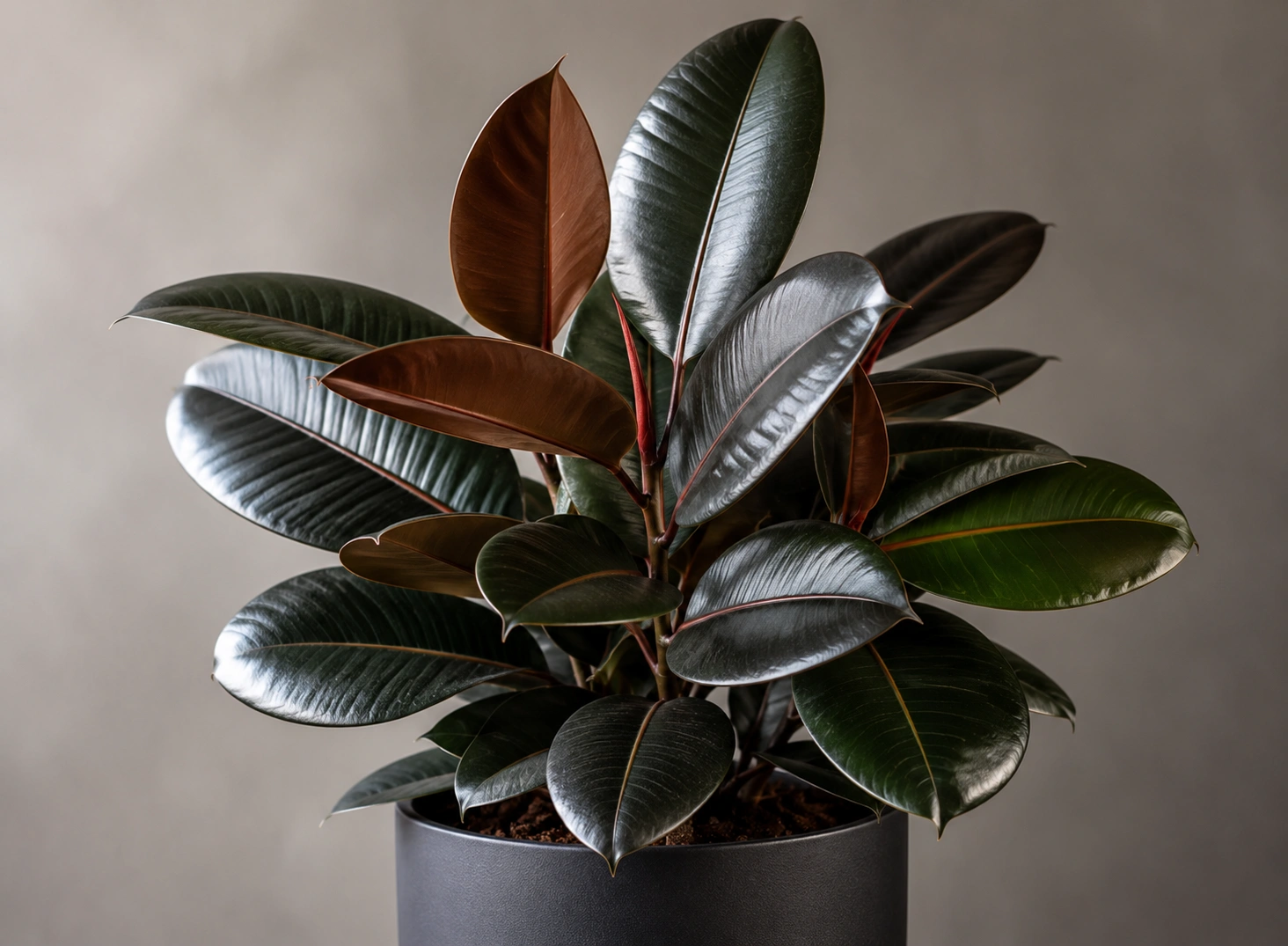
Rubber Plant (Ficus elastica)
Benefits: Removes formaldehyde and other VOCs. Excellent dust filter.
⭐ Best for: Modern interiors, spacious living rooms
Care: Moderate water, bright indirect light.
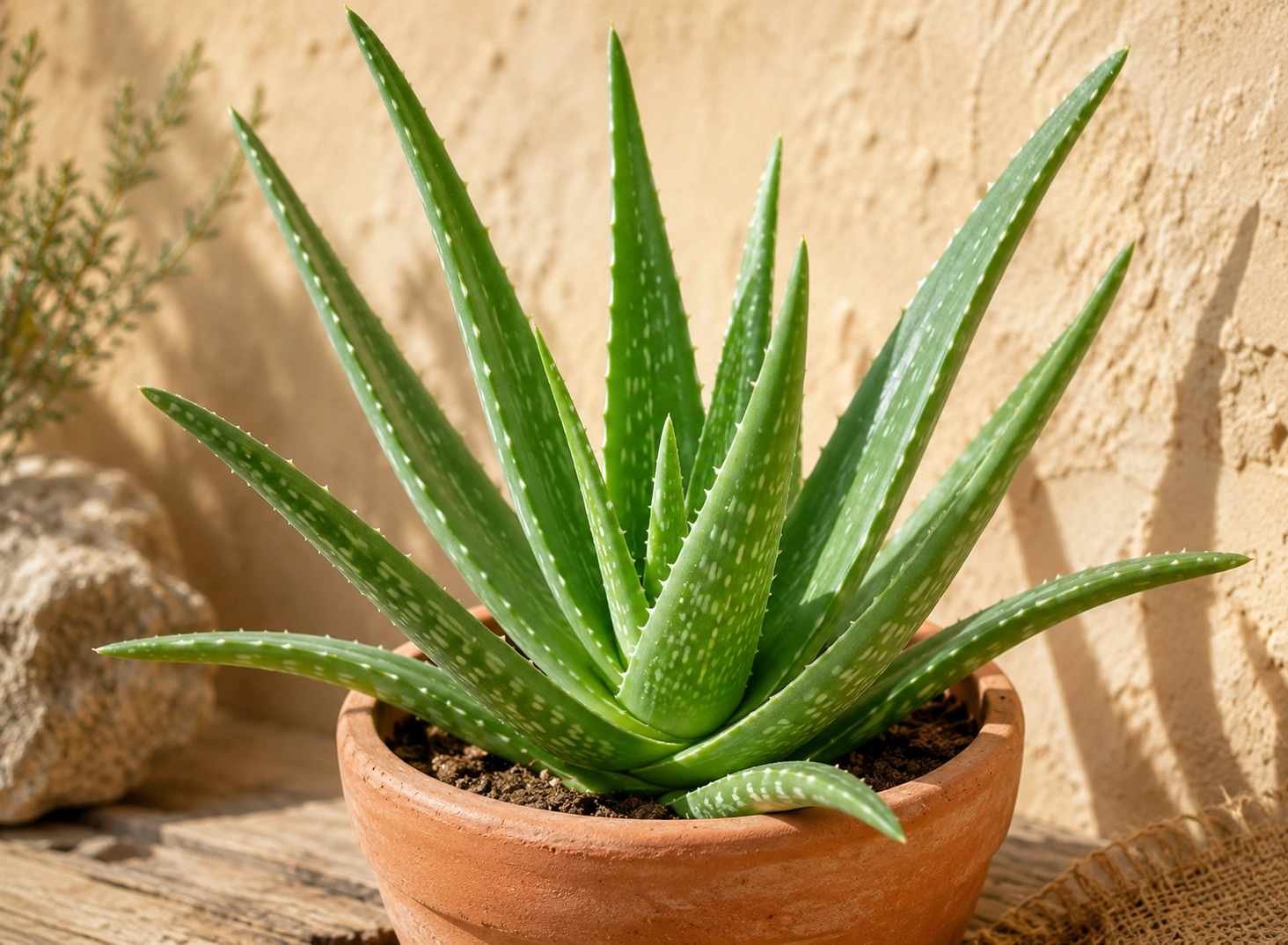
Aloe Vera
Benefits: Removes benzene and formaldehyde. Soothing gel for skin.
⭐ Best for: Kitchens, sunny windowsills, medicinal use
Care: Dry soil, bright light.
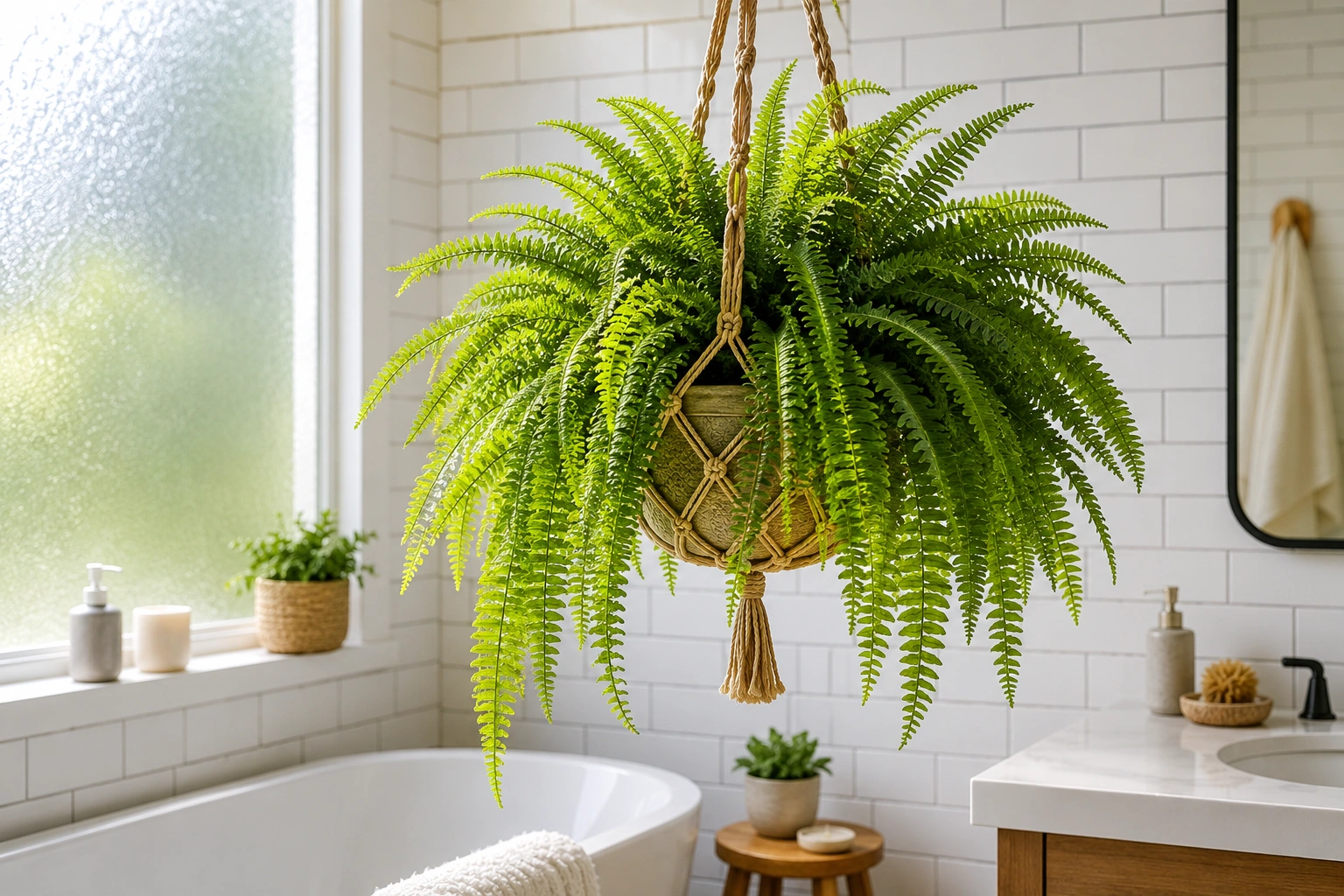
Boston Fern (Nephrolepis)
Benefits: Removes formaldehyde and xylene. Natural humidifier.
⭐ Best for: Bathrooms, humid spaces, hanging baskets
Care: Keep soil moist, high humidity, indirect light.
Essential Care Tips for Air Purifying Plants
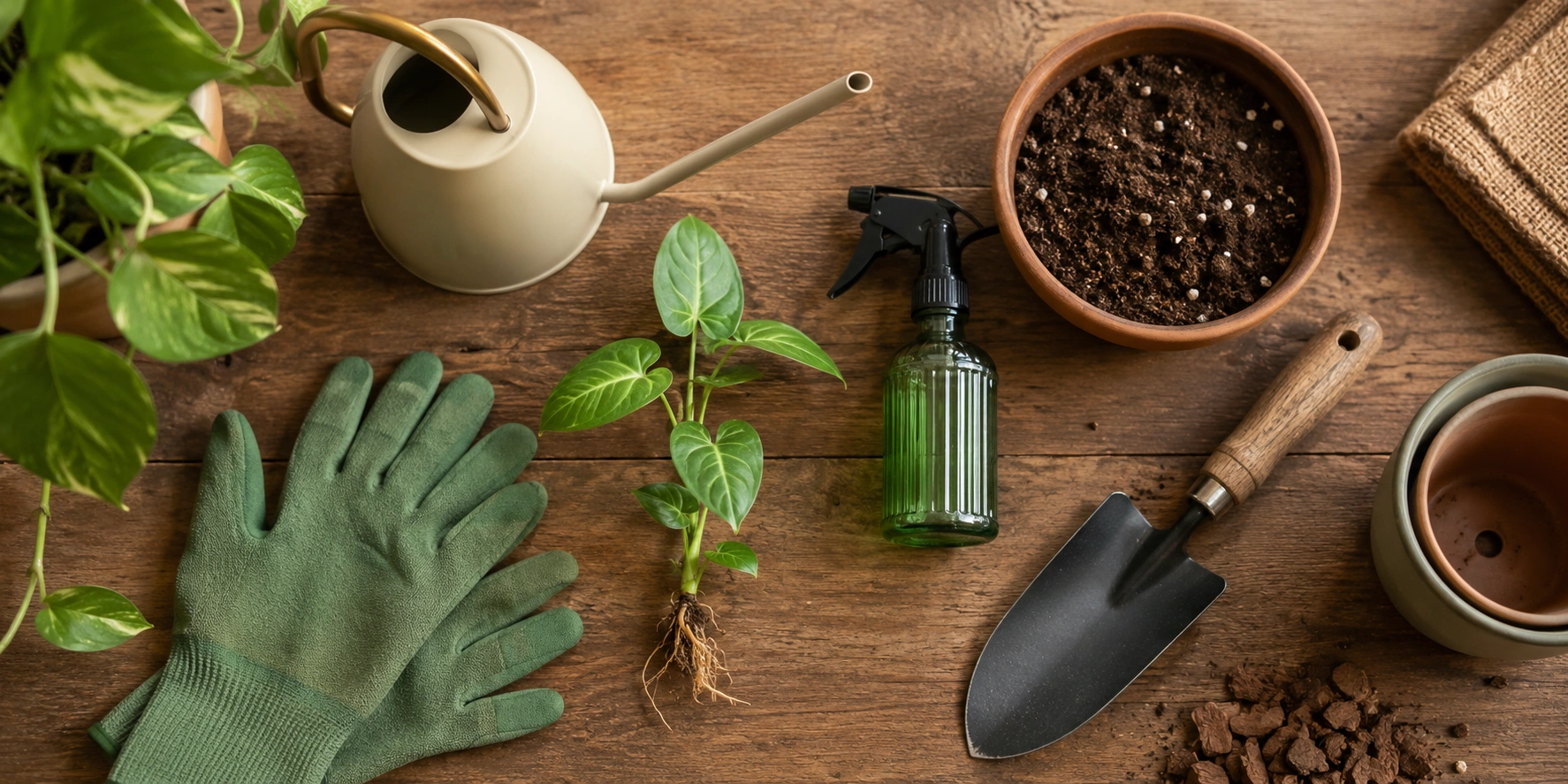
To get the most out of your air purifying plants, proper care is essential. Here are some universal tips that apply to most indoor plants:
Light Requirements
Most air purifying plants thrive in bright, indirect light. However, some, like the snake plant and ZZ plant, are champions of low-light conditions. Place your plants near windows but avoid direct afternoon sun, which can scorch leaves. Rotate your plants every few weeks for even growth.
Watering Wisely
Overwatering is the number one killer of indoor plants. Always check the soil moisture before watering—stick your finger about an inch into the soil; if it feels dry, it's time to water. Most air purifying plants prefer soil that dries out slightly between waterings. Grouping plants together can increase humidity, benefiting species like the Boston fern and peace lily.
Soil and Potting
Use a high-quality, well-draining potting mix. Ensure your pots have drainage holes to prevent root rot. Repot your plants every 1-2 years to refresh the soil and provide room for root growth. For detailed guidance, explore our soil and potting mix guides.
Fertilizing
Feed your plants during the growing season (spring and summer) with a balanced liquid fertilizer diluted to half strength. Reduce or stop fertilizing in winter when growth slows. Check our plant fertilizer recommendations for the best products.
💡 Pro Tip: Dust Your Leaves Regularly
Dust accumulation on leaves blocks light and reduces the plant's ability to purify air. Wipe leaves gently with a damp cloth every month to keep them clean and functioning at their best.
Air Purifying Plants Comparison: Toxins Removed & Care Level
Use this quick reference table to choose the right plant for your specific needs. All plants listed are proven air purifiers with manageable care requirements.
| Plant Name | Key Toxins Removed | Light Level | Water Needs | Pet Safe |
|---|---|---|---|---|
| Snake Plant | Formaldehyde, Xylene, Toluene | Low to Bright | Low | ⚠️ Toxic |
| Spider Plant | Formaldehyde, Carbon Monoxide | Bright Indirect | Moderate | ✅ Safe |
| Peace Lily | Benzene, Formaldehyde, Ammonia | Low to Medium | Moderate | ⚠️ Toxic |
| Golden Pothos | Formaldehyde, Benzene, CO | Low to Bright | Low | ⚠️ Toxic |
| Dracaena | Xylene, TCE, Formaldehyde | Bright Indirect | Moderate | ⚠️ Toxic |
| Rubber Plant | Formaldehyde, VOCs | Bright Indirect | Moderate | ⚠️ Toxic |
| Aloe Vera | Benzene, Formaldehyde | Bright Direct | Low | ⚠️ Toxic |
| Boston Fern | Formaldehyde, Xylene | Indirect | High | ✅ Safe |
⚠️ Toxic = Keep out of reach of pets and children. ✅ Safe = Non-toxic for cats and dogs.
Where to Place Air Purifying Plants for Maximum Effect

Strategic placement enhances both aesthetics and air purification. Here's where to put your plants for the best results:
- 🏡 Living Room: Large plants like the Rubber Plant, Dracaena, or Peace Lily make stunning focal points and clean the air where you spend most of your time.
- 🛏️ Bedroom: Snake plants are ideal for bedrooms because they release oxygen at night, promoting better sleep.
- 🍳 Kitchen: Spider plants and Aloe vera thrive in kitchens, absorbing cooking odors and VOCs from appliances.
- 🚿 Bathroom: Boston ferns and Peace Lilies love the humidity and help reduce mold spores.
- 💻 Home Office: Pothos and Spider plants are low-maintenance and increase focus and productivity.
🌿 The "One Plant Per 100 Square Feet" Rule
For optimal air purification, aim for one medium-sized air purifying plant per 100 square feet of living space. Adjust based on room usage and the number of plants you have.
Beyond Air Purification: Health & Wellness Benefits
Indoor plants are more than just air purifiers. They contribute to your overall well-being in numerous ways:
- 🧠 Mental Health: Interacting with plants reduces stress, anxiety, and fatigue. The simple act of caring for a plant can boost mood and create a sense of purpose.
- 💧 Humidity Regulation: Plants release moisture vapor, increasing indoor humidity levels, which can reduce dry skin, sore throats, and respiratory issues.
- 🔊 Noise Reduction: Indoor plants can absorb background noise, making your home quieter and more peaceful.
- ⚡ Increased Focus: Studies show that having plants in workspaces improves concentration, memory retention, and cognitive performance.
By incorporating air purifying plants into your daily environment, you're investing in both your physical and mental health. For more benefits, explore our indoor gardening guides.
Styling Your Air Purifying Plants: Decor Ideas

Air purifying plants are not only functional but also design-forward. Here are some creative ways to style them in your home:
- 🌿 Plant Clusters: Group 3-5 plants of varying heights and textures on a side table or windowsill for a lush, curated look.
- 🧺 Hanging Planters: Use macrame hangers or ceiling hooks for trailing plants like Pothos and Spider plants to add vertical interest.
- 📚 Bookshelf Greenery: Place small plants on bookshelves to break up book stacks and bring life to your reading nooks.
- 🪴 Statement Pots: Elevate your plant's appeal with decorative pots in neutral tones, terracotta, or bold colors that match your interior style.
For more landscaping and styling ideas, explore our landscaping section.
Frequently Asked Questions About Air Purifying Plants
How many air purifying plants do I need for a room?
A general guideline is one plant per 100 square feet of floor space. However, the number can vary based on the plant's size and the room's air quality. Larger plants like Dracaena and Rubber Plant have a higher purification capacity.
Can air purifying plants remove mold?
Yes! Plants like Peace Lilies and Boston ferns can help reduce airborne mold spores by filtering them from the air. They thrive in humid environments where mold is more prevalent.
What is the best air purifying plant for pet owners?
Spider plants, Boston ferns, and Areca palms are excellent non-toxic options for households with cats and dogs. Always verify plant toxicity before purchasing. Browse our pet-friendly plants guide for safe choices.
Do air purifying plants improve sleep quality?
Plants that release oxygen at night, such as Snake plants and Aloe Vera, are particularly beneficial in bedrooms as they contribute to better air quality while you sleep, potentially improving sleep quality.
How do I clean my air purifying plants for better performance?
Gently wipe leaves with a soft, damp cloth every 2-3 weeks to remove dust. For plants with fuzzy leaves (like African violets), use a soft brush. Clean plants are more efficient at photosynthesis and air purification.
Ready to Breathe Cleaner Air?
Explore our curated selection of air purifying plants and essential care tools to transform your home into a healthier, greener sanctuary.
Shop Air Purifying Plants →