
Gravel Landscaping: Design Ideas, Types & Installation Guide
Discover how gravel landscaping can transform your outdoor space with low-maintenance beauty. Learn which gravel types work best for driveways, paths, and garden beds, plus step-by-step installation and long-term care tips.
Explore Design IdeasWhy gravel landscaping? Gravel is one of the most versatile and cost-effective landscaping materials available. It offers excellent drainage, suppresses weeds when properly installed, requires minimal maintenance, and suits nearly every garden style — from modern minimalist courtyards to rustic cottage paths. Whether you are refreshing a driveway, building a garden walkway, or creating a decorative border, understanding the different gravel types and installation methods will help you achieve a durable, attractive result.
Gravel Landscaping Design Ideas
Gravel works beautifully as both a primary surface material and an accent element. Before choosing a design, consider how the space will be used and how much foot or vehicle traffic it will receive. For a broader look at complementary hardscaping and planting, explore our driveway landscaping ideas and budget-friendly front yard landscaping ideas.
1. Gravel Driveways and Parking Areas
A gravel driveway is a practical choice for rural and suburban homes. Angular crushed stone provides stability and drainage, while the surface can be edged with timber, steel, or brick for a finished look. Proper base preparation is essential: a compacted layer of larger crushed stone supports the surface gravel and prevents sinking. For a clean border that keeps gravel contained, consider custom concrete curbing or edging.
2. Garden Paths and Walkways
Gravel paths guide visitors through the garden while adding texture and visual interest. Pea gravel or small crushed stone works well for walking paths, especially when contained by edging. A gently curved path lined with perennials or shrubs creates a welcoming transition between garden zones. Pair gravel paths with low-maintenance plantings such as hostas or green velvet boxwood for a polished look.
3. Decorative Garden Beds and Borders
Gravel mulch suppresses weeds and retains soil moisture in planting beds. Decorative gravel such as river rock, pea gravel, or lava rock can define bed edges and contrast with foliage. When using gravel as mulch, always install landscape fabric first to prevent stones from mixing with soil and to slow weed growth. For additional ideas on bed design, see our DIY garden bed plans.
4. Modern and Zen-Style Courtyards
Raked gravel patterns are a hallmark of Japanese-inspired gardens. Fine gravel or crushed granite creates a calm, minimalist surface that pairs beautifully with stepping stones, ornamental grasses, and sculptural plants. If you are planning a Zen-inspired area, combine gravel with shade-tolerant greenery such as hosta varieties and Japanese maple trees for year-round structure.
5. Gravel Around Water Features and Fire Pits
Gravel provides a clean, fire-safe border around fire pits and water features. Use larger river rock or decorative stone near these focal points to create a natural transition between hardscape and planting areas. For fire pit inspiration and safety tips, read our chiminea and fire pit guide.
Types of Landscape Gravel and Their Best Uses
Not all gravel is created equal. The shape, size, and material of the stone determine how it performs in different applications. Below is a comparison of the most common landscape gravel types, organized by relative market tier so you can match the material to your project and priorities.
| Gravel Type | Appearance & Texture | Best For | Market Tier |
|---|---|---|---|
| Pea Gravel | Small, rounded stones; smooth texture; warm earth tones | Garden paths, play areas, decorative beds | Entry-Level |
| Crushed Stone (#57) | Angular, interlocking pieces; gray or tan | Driveways, base layers, drainage | Mid-Range |
| River Rock | Smooth, rounded stones in mixed sizes; natural look | Dry creek beds, borders, water features | Mid-Range |
| Lava Rock | Porous, lightweight, reddish-brown; textured | Mulch alternative, planters, xeriscaping | Mid-Range |
| Marble Chips | Bright white or gray; crisp, reflective surface | Formal borders, modern landscape accents | Premium |
| Decomposed Granite | Fine, compactable particles; natural earth tones | Stable paths, patios, modern courtyards | Premium |
How to Install Gravel Landscaping: Step-by-Step
Proper installation is the difference between a gravel surface that stays neat for years and one that turns into a muddy, weed-filled mess. Follow these steps for long-lasting results.
Step 1: Plan and Measure
Outline the area with marking paint or stakes and string. Calculate the square footage by multiplying length by width. For a 3-inch gravel layer, you will need approximately one cubic yard of gravel per 100 square feet. Account for edging materials and any base layer required for driveways or heavy-traffic paths.
Step 2: Clear and Excavate
Remove existing sod, weeds, and debris. Excavate to a depth that accommodates your base layer (if needed) plus the finished gravel depth. For driveways, excavate 6 to 8 inches; for garden paths, 2 to 3 inches is usually sufficient. Grade the area so water drains away from buildings and foundations.
Step 3: Install Edging
Edging keeps gravel contained and prevents it from migrating into lawns or planting beds. Options include steel edging, timber, brick, or plastic edging. For a permanent, clean finish, concrete curbing is an excellent choice. Proper edging also makes lawn maintenance easier — learn more in our guide to controlling grass and weeds in flower beds.
Step 4: Add a Weed Barrier (Optional but Recommended)
A woven landscape fabric beneath the gravel blocks weeds while allowing water to pass through. Avoid solid plastic sheeting, which traps water and can cause drainage problems. For existing gravel areas where weeds have taken hold, see our guide on the best way to kill weeds in a gravel driveway.
Step 5: Install the Base Layer (Driveways Only)
For driveways and heavy-traffic areas, spread a 4- to 6-inch layer of larger crushed stone (such as #3 or #4 crushed rock) and compact it thoroughly with a plate compactor. This base prevents the surface gravel from sinking into soft soil.
Step 6: Spread the Surface Gravel
Spread your chosen surface gravel to the desired depth using a rake or shovel. For paths, 2 to 3 inches is typical; for driveways, 2 to 3 inches over the compacted base. Rake the gravel smooth and slightly crown the center of driveways so water drains to the sides.
Step 7: Compact and Water
Lightly compact the gravel with a plate compactor or hand tamper, then water the surface to settle dust and help the stones lock together. Avoid over-compacting decorative gravel, which can damage the texture.
Gravel Landscaping Maintenance Tips
- Rake regularly: Use a leaf rake or hard rake to redistribute gravel and smooth tire tracks or footprints.
- Control weeds early: Pull weeds as soon as they appear. For persistent problems, apply a pre-emergent herbicide or use a vinegar-based spot treatment. See our home remedies for weeds for natural options.
- Top up annually: Add a thin layer of fresh gravel each year to replace material lost to displacement and settling.
- Manage drainage: Check that water flows away from structures. If pooling occurs, add a drainage channel or consult our drainage solutions guide.
- Keep edges tidy: Re-secure edging and remove grass or weeds that creep over the border. For lawn edges adjacent to gravel, our guide on the best way to get rid of thistles in lawns may help.
Frequently Asked Questions About Gravel Landscaping
How do I prevent weeds in gravel landscaping?
Install a quality woven landscape fabric underneath the gravel before spreading stones. This barrier blocks weed growth while allowing water to drain. For existing gravel areas, use a pre-emergent herbicide or hand-pull weeds regularly. Keeping the gravel layer at least 2 inches deep also discourages weed seeds from germinating.
What is the best gravel for a driveway?
Crushed stone with angular edges, such as #57 crushed limestone or trap rock, is best for driveways because the pieces interlock and stay in place. Avoid pea gravel or river rock for driveways, as rounded stones shift under vehicle weight and can create ruts. A compacted base layer of larger crushed stone is essential for long-term stability.
How deep should gravel landscaping be?
For garden paths and decorative beds, a 2- to 3-inch layer of gravel is sufficient. For driveways, install a 4- to 6-inch compacted base layer of crushed stone topped with 2 to 3 inches of surface gravel. Deeper layers may be needed in areas with soft or poorly draining soil.
Can I put gravel directly on soil?
Yes, but it is not recommended without a weed barrier. Gravel placed directly on soil will sink over time and weeds will grow through. For best results, remove the top layer of organic matter, install landscape fabric, and then add gravel. For paths and driveways, a compacted base layer is also necessary.
Is gravel landscaping low maintenance?
Gravel is generally low maintenance compared to grass, but it is not maintenance-free. Plan to rake occasionally, top up gravel annually, and manage weeds. With proper installation — including edging and a weed barrier — gravel areas require far less water, mowing, and fertilizing than a traditional lawn.
Recommended Gravel Landscaping Tools & Supplies
⚠️ AFFILIATE DISCLOSURE: This website contains affiliate links. As an Amazon Associate, we earn from qualifying purchases. If you make a purchase through these links, we may receive a small commission at no additional cost to you. Read our full affiliate policy.

40 LBS Grey Pea Gravel - Landscape Rocks - Drainage Rock - Gardening - Average Size 3/8 inch - 1/4 inch Stone
Check price on Amazon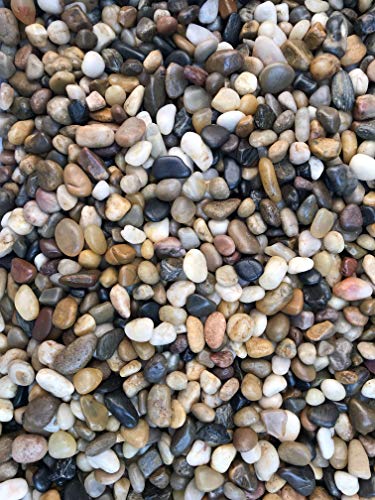
Voulosimi 40 LBS River Rock Stones, Natural Decorative Polished Mixed Pebbles Gravel,Outdoor Decorative Stones for Plant Aquariums, Landscaping, Vase Fillers
Check price on Amazon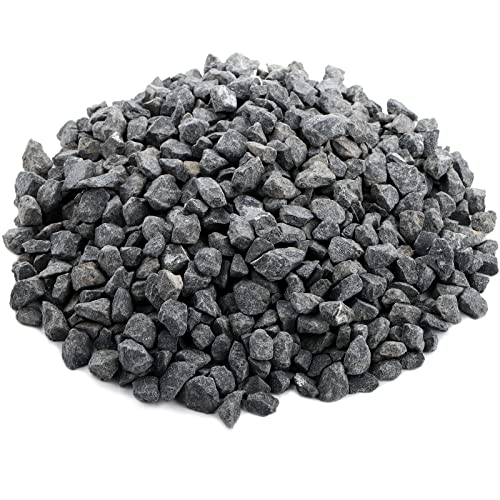
ZOOFOX 10lb Natural Rocks Stones, Small Washed Gravel for Terrariums, Succulents, Landscaping, Fairy Gardens, Aquariums and Walkway
Check price on Amazon
Granite Gravel, 3/4", 40 LBS, Gray Granite, Garden, Landscape, Drainage Rock.
Check price on Amazon
FANTIAN 40 lbs White Rocks for Landscaping, 1-2 Inch White Gravel. Decorative Pebbles Stones for Plants, Vases, Craft and Garden
Check price on Amazon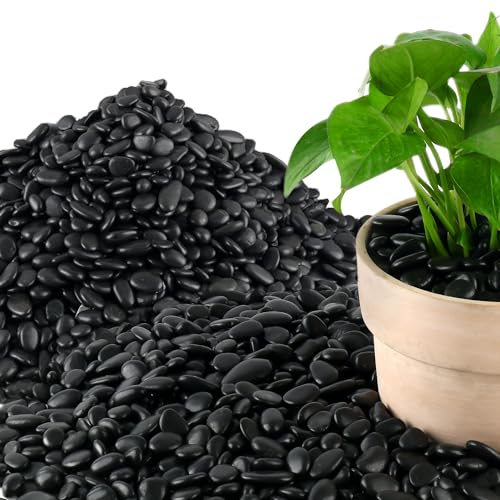
Mulctun 45LB Polished Black Pebbles,1/4" - 3/4" Small Black River Rocks for Landscaping, Natural Gravel Smooth Decorative Stones Dressing for Vases Planters Garden Outdoor Indoor
Check price on Amazon