Sprinkler Systems: The Complete Guide to a Lush, Healthy Lawn
Discover how the right sprinkler system transforms your lawn care routine. Compare system types, understand installation options, and learn maintenance strategies that keep your landscape thriving season after season.
EXPLORE TOP SPRINKLER SYSTEMSWhy Sprinkler Systems Matter: A well-designed sprinkler system delivers consistent, deep watering that encourages strong root growth and drought resilience. Unlike manual hoses or portable sprinklers, an automated system saves time, reduces water waste, and protects your investment in plants, turf, and landscaping. Whether you are upgrading an existing lawn or planning a new garden, understanding the key differences between system types helps you make a confident, informed purchase.
Types of Sprinkler Systems Explained
In-Ground Pop-Up Sprinkler Systems
In-ground pop-up systems are the gold standard for residential and commercial lawns. Sprinkler heads remain hidden below the soil surface and rise when the zone is activated, then retract when watering finishes. This design protects heads from lawn mowers and foot traffic while delivering even coverage across large areas. Modern pop-up systems can be paired with smart controllers that adjust watering based on weather data, soil moisture, and plant type.
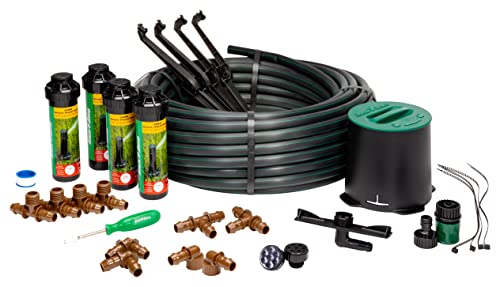
These systems are ideal for homeowners who want a permanent, low-visibility solution with zone-based control. Installation involves trenching, PVC or polyethylene piping, valve manifolds, and a backflow preventer. For detailed installation guidance, see our sprinkler installation guide and explore underground sprinkler system installation near me resources.
Drip Irrigation Systems
Drip irrigation delivers water directly to plant roots through a network of tubes and emitters. This method is highly efficient, reducing evaporation and runoff while keeping foliage dry to minimize disease pressure. Drip systems work exceptionally well for garden beds, vegetable plots, shrubs, and container plants. They can be integrated with existing in-ground sprinkler zones or used as a standalone solution for water-wise landscaping.
Many gardeners combine drip lines for beds with pop-up heads for turf, creating a hybrid system that maximizes efficiency. If you are designing a new landscape, consider how sprinkler systems and drip zones can work together to cover every planting area.
Above-Ground and Hose-End Sprinklers
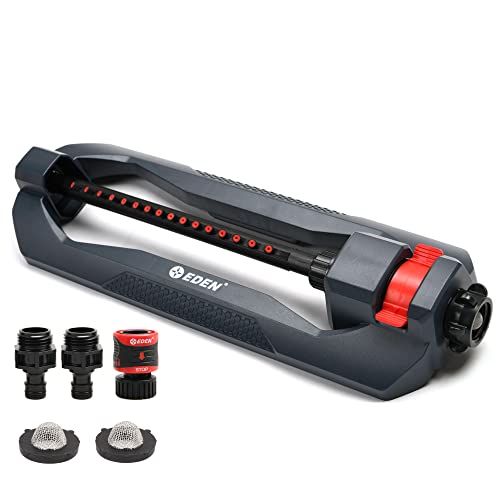
Above-ground sprinklers are the most accessible entry point into automated watering. Oscillating, rotary, and stationary models connect directly to a garden hose and can be moved as needed. These systems suit small yards, rental properties, and temporary setups. While they lack the permanence and precision of in-ground systems, modern hose-end sprinklers with timers offer a practical middle ground for budget-conscious gardeners.
For small gardens or supplemental watering, pair a hose-end sprinkler with a quality watering can for targeted hand-watering of delicate plants. This combination keeps your entire landscape hydrated without overcomplicating your setup.
Smart Controllers and Water-Saving Technology
Smart sprinkler controllers represent the biggest leap forward in irrigation efficiency. These devices connect to local weather data, soil moisture sensors, and even plant-specific watering profiles to automatically adjust schedules. Many models offer smartphone control, leak detection, and zone-level customization. Upgrading from a traditional timer to a smart controller can reduce outdoor water use significantly while improving lawn health.
When evaluating smart controllers, look for features like weather-based adjustment, multiple zone support, and compatibility with your existing valve system. Pairing a smart controller with a well-designed sprinkler installation creates a system that runs efficiently for years with minimal manual intervention.
Comparing Sprinkler System Tiers
When shopping for a sprinkler system, products generally fall into three quality tiers. The table below outlines what you can expect at each level, helping you match your investment to your lawn size, climate, and long-term goals.
| Tier | Best For | Key Features | Durability |
|---|---|---|---|
| Entry-Level | Small yards, temporary setups, renters | Hose-end oscillating or rotary sprinklers, basic timers, lightweight construction | Good for seasonal use; may need replacement after a few seasons |
| Mid-Range | Medium lawns, permanent garden beds, DIY installers | Hybrid above-ground systems, basic smart timers, drip irrigation kits, UV-resistant materials | Solid durability with proper winterization; 5–10 year lifespan |
| Premium | Large properties, landscaped yards, automated smart homes | In-ground pop-up zones, smart controllers with weather data, flow sensors, professional-grade heads and valves | 15+ year lifespan with seasonal maintenance |
Installation and Maintenance Essentials
Planning Your Installation
Successful sprinkler installation starts with a clear plan. Map your lawn zones, measure water pressure and flow rate, and identify plant hydrozones (areas with similar water needs). For in-ground systems, local codes often require a backflow preventer and permits. Professional installation ensures proper trenching depth, head spacing, and valve placement — all critical for even coverage and long-term reliability.
If you are weighing DIY versus professional installation, review our guide to sprinkler system installation cost to understand the full scope of labor, materials, and equipment involved. For homeowners ready to proceed, connecting with underground sprinkler system installation near me services simplifies the process.
Seasonal Care and Troubleshooting
Sprinkler systems need seasonal attention to perform at their best. In spring, inspect heads for damage, check for leaks, and test each zone. In fall, winterize the system by blowing out lines with compressed air to prevent freeze damage. Throughout the growing season, adjust heads to avoid overspray on walkways and driveways, and clean nozzles to maintain even coverage.
Common issues like low water pressure, clogged emitters, and broken heads are straightforward to address when caught early. Pair your irrigation system with complementary landscape tools like string trimmers to keep grass away from sprinkler heads, and consider tillers and cultivators when renovating turf or garden beds around your system.
Integrating Sprinkler Systems with Your Landscape Design
Sprinkler systems do more than water grass — they are a foundational piece of your entire landscape ecosystem. When designing or renovating your yard, plan irrigation alongside planting beds, hardscaping, and outdoor structures. Water features such as water features and solar-powered water feature pumps with battery backup benefit from thoughtful irrigation planning, especially if you want to maintain consistent moisture around pond edges and fountains.
For pathways and patios, ensure sprinkler heads are positioned to avoid staining or overspray on hardscape surfaces. If your design includes walkways and paths, consider drip irrigation for adjacent borders and pop-up heads for lawn edges. This level of integration creates a cohesive, low-maintenance landscape that looks intentional and healthy year-round.
Frequently Asked Questions
What is the best type of sprinkler system for a residential lawn?
For most residential lawns, a pop-up underground sprinkler system with zone-based control is the most efficient and long-lasting choice. It distributes water evenly, reduces waste from evaporation, and can be paired with a smart controller for automated scheduling.
How long does it take to install a sprinkler system?
A typical residential sprinkler system installation takes one to three days depending on lawn size, soil conditions, and the number of zones. Professional installers can usually complete a mid-sized yard in about two days, while larger properties with complex layouts may require more time.
Can I install a sprinkler system myself?
DIY sprinkler installation is possible for small, simple yards using hose-end or above-ground systems. However, underground pop-up systems require trenching, plumbing connections, and backflow prevention knowledge. For permanent in-ground systems, hiring a licensed irrigation professional is strongly recommended.
How much maintenance does a sprinkler system need?
Sprinkler systems need seasonal maintenance: spring start-up, fall winterization, periodic head adjustments, and occasional repairs for clogged nozzles or broken heads. Smart controllers reduce water waste and simplify scheduling, while regular inspections catch problems early.
Ready to Upgrade Your Lawn's Watering System?
Browse our curated selection of sprinkler systems and irrigation accessories below. Whether you need a simple hose-end solution or a full smart-controlled in-ground system, the right equipment makes all the difference.
VIEW RECOMMENDED SYSTEMS