St. Augustine Grass: The Ultimate Guide to a Lush, Thick Lawn
Discover expert tips for planting, watering, mowing, and fertilizing St. Augustine grass. Achieve a vibrant, weed-free lawn that thrives in warm climates.
What is St. Augustine Grass?
St. Augustine grass (Stenotaphrum secundatum) is a popular warm-season turfgrass known for its dense, carpet-like growth and deep green color. It is widely used in lawn care across the southern United States, particularly in Florida, Texas, and coastal regions. This grass thrives in humid, subtropical climates and is prized for its shade tolerance compared to other warm-season grasses like Bermuda grass.
Whether you're establishing a new lawn or renovating an existing one, understanding the unique characteristics of St. Augustine grass is essential for long-term success. Its broad, coarse blades and creeping growth habit allow it to form a thick mat that naturally suppresses weeds.
Key Characteristics of St. Augustine Grass
🌿 Growth Habit
Stolons (above-ground runners) spread aggressively, creating a dense turf that recovers quickly from damage.
☀️ Sun & Shade
Moderate to good shade tolerance (better than Bermuda or Zoysia). Needs 4-6 hours of direct sunlight for best growth.
💧 Water Needs
High water requirement. Needs 1-1.5 inches of water per week during active growth. Deep, infrequent watering encourages deep root growth.
🌡️ Climate
Best suited for U.S.D.A. zones 8-10. Thrives in warm, humid coastal areas. Does not tolerate extended cold or drought.
St. Augustine Grass vs Other Warm-Season Grasses
Choosing the right grass type for your lawn depends on your climate, sun exposure, and maintenance preferences. Here's how St. Augustine compares to other popular options:
| Feature | St. Augustine | Bermuda | Zoysia |
|---|---|---|---|
| Shade Tolerance | Good | Poor | Moderate |
| Water Requirement | High | Moderate | Moderate |
| Traffic Tolerance | Moderate | Excellent | Good |
| Growth Rate | Fast | Very Fast | Slow |
| Maintenance | Moderate | High | Low |
💡 Pro Tip: If your lawn has partial shade and you want a lush, dense turf, St. Augustine is often the best choice. For full sun and high foot traffic, Bermuda grass or Zoysia grass may be more suitable.
How to Plant St. Augustine Grass
Proper planting is the foundation of a healthy St. Augustine lawn. Follow these steps for successful establishment:
1. Choose the Right Time
Plant in late spring to early summer when soil temperatures reach at least 65°F (18°C). This allows the grass to establish before cooler weather arrives.
2. Prepare the Soil
Test your soil pH – St. Augustine thrives in slightly acidic to neutral soil (pH 6.0–7.0). Amend with lime if too acidic or sulfur if too alkaline. Incorporate organic matter like compost to improve soil structure. Remove weeds, rocks, and debris. Grade the area for proper drainage. For more guidance, check out our soil guides.
3. Choose Your Planting Method
St. Augustine is typically established using sod or plugs. Sod provides an instant lawn but costs more. Plugs are more economical but take longer to fill in. Use high-quality, certified weed-free sod or plugs from a reputable nursery.
4. Lay Sod or Plant Plugs
- Sod: Lay pieces tightly together, staggering seams like brickwork. Water immediately after installation.
- Plugs: Space plugs 12–18 inches apart. Plant at the same depth they were grown in the nursery. Water thoroughly.
5. Water Frequently
Newly planted St. Augustine needs consistent moisture to establish roots. Water daily for the first 2 weeks, then gradually reduce frequency to encourage deep rooting. Use a sprinkler system for even coverage.
🌱 First Mowing: Wait until new grass reaches 3–4 inches in height. Never cut more than one-third of the blade length at a time. Set your mower to 2.5–3.5 inches for optimal health.
Essential St. Augustine Lawn Maintenance
Consistent care keeps your St. Augustine grass thick, green, and resilient. Follow these best practices throughout the growing season.
Mowing Tips
Maintain a mowing height of 2.5–4 inches. Taller grass promotes deeper roots and better shade tolerance. Mow every 5–7 days during peak growth. Always use sharp blades to avoid frayed tips. Learn more with our expert mowing tips.
Watering Guide
Water deeply and infrequently: 1 to 1.5 inches per week, including rainfall. Water early in the morning to reduce evaporation and fungal disease risk. Adjust during dry spells – St. Augustine will show signs of wilt (leaf curling, bluish-gray color) when it needs water.
Fertilizing Schedule
Apply a balanced fertilizer (e.g., 16-4-8) with slow-release nitrogen. Follow this schedule:
- Spring: Apply 1 lb of nitrogen per 1,000 sq ft after green-up.
- Summer: Apply 0.5–1 lb of nitrogen per 1,000 sq ft every 6–8 weeks.
- Fall: Apply a potassium-rich fertilizer 4–6 weeks before the first frost.
Avoid high-nitrogen fertilizers in late fall to prevent winter injury. For tailored advice, see our lawn fertilizing guide.
Weed Control
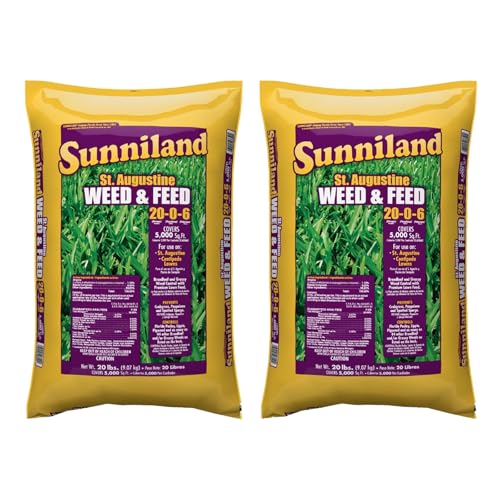
A thick St. Augustine lawn naturally suppresses weeds. Apply a pre-emergent herbicide in early spring to prevent crabgrass and other annual weeds. For existing weeds, use post-emergent products labeled safe for St. Augustine. Always follow label instructions. Explore our crabgrass control and organic weed killer articles for eco-friendly options.
Aeration & Dethatching
St. Augustine grass benefits from annual lawn aeration to reduce soil compaction and improve water infiltration. Core aeration in late spring or early summer is ideal. Dethatching is less critical for St. Augustine due to its stoloniferous growth, but if thatch exceeds 1 inch, consider dethatching in late spring.
Common Pests and Diseases
St. Augustine grass is susceptible to several pests and diseases. Early detection and proper treatment are key to maintaining a healthy lawn.
Common Pests
- Chinch Bugs: Small insects that suck sap from grass, causing yellowing and death. Look for irregular brown patches. Treat with insecticidal soap or insecticide labeled for chinch bugs.
- Grubs: White, C-shaped larvae that feed on roots, causing turf to pull up easily. Apply beneficial nematodes or a grub control product in late summer. Read our grub control guide.
- Sod Webworms: Small caterpillars that chew grass blades. Look for small moths and webbing. Treat with Bacillus thuringiensis (Bt) or insecticide.
Common Diseases
- Brown Patch: Circular brown spots with a dark ring. Caused by warm, humid conditions. Improve air circulation, reduce nitrogen, and apply fungicide if needed. See our brown patches fix.
- Gray Leaf Spot: Grayish-brown lesions on blades. Avoid overhead watering and apply fungicide.
- Take-All Root Rot: Thinning turf with dead patches. Improve drainage and apply a fungicide containing azoxystrobin.
🛡️ Prevention is Best: Healthy, well-maintained grass is more resistant to pests and diseases. Follow proper watering, mowing, and fertilization practices to keep your lawn strong. For natural solutions, explore our natural pest control page.
Seasonal Care Calendar
Adjust your lawn care routine throughout the year to keep St. Augustine grass in peak condition.
- Spring (March–May): Resume mowing as grass greens up. Apply pre-emergent herbicide. Fertilize with a balanced nitrogen fertilizer. Water deeply 1x per week.
- Summer (June–August): Mow weekly at 3–4 inches. Increase watering to 1.5 inches per week during heat. Monitor for pests and diseases. Apply insecticide for chinch bugs if needed.
- Fall (September–November): Reduce nitrogen fertilizer. Apply potassium-rich fertilizer to harden grass for winter. Continue mowing as grass slows. Aerate if compacted.
- Winter (December–February): Grass enters dormancy. Water only during prolonged dry periods. Avoid mowing unless necessary. Do not apply herbicides or fertilizer.
For a comprehensive yearly plan, check out our seasonal checklist.
Troubleshooting Common St. Augustine Lawn Problems
Even with the best care, issues can arise. Here are solutions to common problems:
- Yellowing Grass: Often caused by iron deficiency or overwatering. Apply chelated iron and adjust watering frequency. Check our plant fertilizers guide for nutrient solutions.
- Thin Spots: Could be due to shade or over-mowing. Raise mower height and consider overseeding with a shade-tolerant variety. Learn more about overseeding tips.
- Weeds Invading: Use a post-emergent weed killer labeled for St. Augustine. Also, consider dandelion control or clover removal for specific weeds.
- Moss Growth: Usually a sign of poor drainage or excessive shade. Improve drainage and prune tree branches to increase sunlight. For more, see our moss removal guide.
- Bare Spots: Repair by planting plugs or laying sod. Keep area moist until established. Read our bare spots repair guide for detailed instructions.
Frequently Asked Questions (FAQ)
How often should I water St. Augustine grass?
Water deeply 1-2 times per week to provide 1–1.5 inches of water. Adjust based on rainfall and temperature. During hot, dry periods, increase frequency to 2-3 times per week.
Can St. Augustine grass grow in full sun?
Yes, St. Augustine grass grows well in full sun but also tolerates partial shade. For best results, ensure at least 4-6 hours of direct sunlight daily.
What is the best fertilizer for St. Augustine grass?
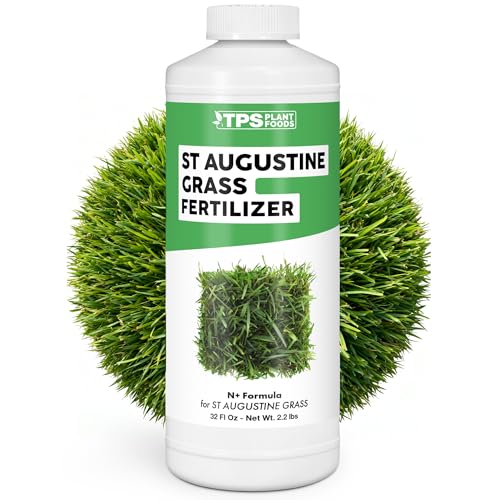
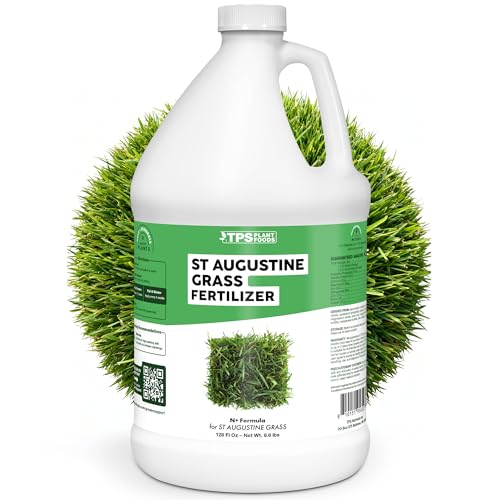
Use a slow-release nitrogen fertilizer with a ratio like 16-4-8 or 15-0-15. Apply according to soil test recommendations for optimal results.
How do I kill weeds in St. Augustine grass without harming it?
Use herbicides specifically labeled as safe for St. Augustine. Apply pre-emergents in early spring and post-emergents as needed. Always follow label directions. Explore our organic weed killer options.
Is St. Augustine grass high maintenance?
St. Augustine requires moderate maintenance. Regular watering, mowing, and fertilizing are essential, but it is less demanding than Bermuda grass in terms of mowing frequency and edging.
Start Your St. Augustine Lawn Journey Today
St. Augustine grass offers a beautiful, dense, and vibrant lawn that enhances any home in warm climates. With proper planting, consistent maintenance, and proactive pest management, you can enjoy a lush, weed-free lawn that becomes the envy of your neighborhood.
Whether you're a beginner or a seasoned lawn care enthusiast, the tips and strategies in this guide will help you achieve a stunning St. Augustine grass lawn. For more gardening insights, explore our articles on landscaping, low-maintenance landscaping, and outdoor living to complete your dream outdoor space.