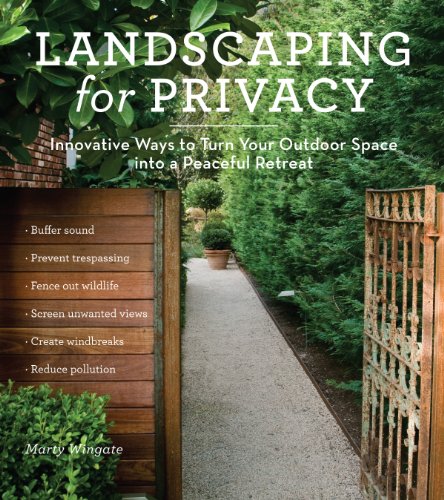
Privacy Landscaping: Design Your Secluded Outdoor Retreat
Transform your yard into a private sanctuary with strategic landscaping. Discover expert tips on plants, structures, and design to create the ultimate secluded oasis.
In today's world, your outdoor space should be a personal haven. Privacy landscaping is the art of using design, plants, and structures to create a secluded and peaceful environment. Whether you have a small urban backyard or a sprawling rural property, achieving the right balance of openness and seclusion can dramatically enhance your quality of life and the value of your home. This guide will walk you through the most effective strategies to create a private paradise that feels both expansive and intimate.
Effective privacy landscaping goes beyond simply erecting a fence. It's about layering elements to create a natural, beautiful barrier that integrates with your overall outdoor aesthetic. By combining living screens, hardscaping, and strategic plant placement, you can block unwanted views, reduce noise pollution, and define distinct areas within your garden. Let's explore the key components of a successful privacy landscape design.
Living Screens: The Natural Way to Seclusion
Living screens are a cornerstone of landscaping for privacy. They are aesthetically pleasing, environmentally friendly, and can be tailored to any style or climate. Trees, shrubs, and even tall grasses can be used to create a dense, green wall that softens the hard lines of fences and walls. When selecting plants, consider their mature height, width, and growth rate to ensure they provide the desired coverage without becoming unmanageable.
Evergreen plants are a popular choice for year-round privacy. Species like arborvitae, holly, and certain types of bamboo offer dense foliage that remains green even in winter. For a more colorful and varied screen, you can mix deciduous shrubs that provide beautiful flowers in spring and vibrant fall colors. Here are some excellent choices for a living privacy screen:
- Arborvitae (Thuja): A classic choice, these fast-growing evergreens form a tall, narrow screen perfect for tight spaces.
- Leyland Cypress: Known for its rapid growth, this tree can create a tall privacy screen in just a few years.
- Boxwood: A versatile shrub that can be shaped into a formal hedge, ideal for lower privacy borders.
- Ornamental Grasses: Tall varieties like Miscanthus can create a soft, rustling screen that adds texture and movement.
Pro Tip: When planting a living screen, stagger the plants in two rows for a denser, more natural look. This also helps to create a thicker barrier that effectively blocks sound and sight.
Fencing and Walls: Structure and Security
While living screens are beautiful, they take time to mature. Fences and walls provide immediate privacy and a solid foundation for your privacy landscaping design. They can be used as a primary barrier or as a backdrop for climbing plants and vines. The material you choose will significantly impact the look and feel of your yard.
Wood fences are a classic and versatile option. Styles range from traditional picket fences to modern horizontal slat designs. For a more durable and low-maintenance choice, consider vinyl or composite materials, which resist rot and fading. Stone and brick walls offer a timeless, elegant look and provide excellent soundproofing, but they are generally more expensive to install. When incorporating walls or fences, you can soften their appearance by planting climbing vines like clematis, jasmine, or ivy at their base.
- Solid Fences: Offers complete visual blockage. Great for backyards.
- Louvered Fences: Allows airflow while maintaining privacy. Ideal for patios.
- Living Walls: Vertical gardens that combine structure and greenery for a stunning modern look.
Strategic Planting: Zoning and Layering
Strategic planting is the secret to creating a private space that doesn't feel closed in. By layering plants of varying heights and textures, you can create a sense of depth and enclosure. This technique, often used in landscaping, involves placing taller trees or shrubs in the background, mid-sized plants in the middle, and shorter groundcovers or flowers in the foreground. This creates a natural, visually appealing transition from your yard to the outside world.
Another effective strategy is to create "garden rooms" — distinct areas within your yard that are partially enclosed by planting. This can transform a large, open space into a series of intimate nooks for dining, relaxing, or entertaining. Additionally, consider the placement of your plants in relation to windows and seating areas to maximize seclusion where you need it most.
For a stunning and low-maintenance option, consider adding drought tolerant plants and rock gardens. These can create a beautiful, textured landscape that requires less water and care, perfect for filling in gaps in your privacy screen.
Enhancing Privacy with Sound and Scent
Privacy isn't just about what you see; it's also about what you hear. A well-designed privacy landscape can also help mask unwanted noise from neighbors or traffic. This is where water features and fragrant plants come into play. The gentle sound of flowing water from a fountain or pond can create a soothing soundscape that drowns out distractions, making your garden feel like a true retreat.
Incorporating plants with strong, pleasant scents can further enhance the sensory experience. Culinary herbs like lavender, rosemary, and mint not only smell wonderful but are also useful in the kitchen. Other flowering shrubs like gardenias and jasmine are renowned for their intoxicating fragrance, which can make your private garden feel even more exclusive and luxurious.
Pro Tip: Position a water feature near your most-used outdoor seating area. The sound of water will help to create a peaceful atmosphere and provide a natural mask for any external noise.
Maintaining Your Private Oasis
A privacy landscape is an investment that requires care to maintain its beauty and effectiveness. Regular pruning tips are essential to keep your living screens dense and within the desired shape. You'll also want to ensure your plants are healthy and thriving with a consistent watering guide and appropriate plant fertilizers.
Keep an eye out for common issues like pest control natural methods, which can help protect your plants without harmful chemicals. Also, if you have a structure like a fence or wall, perform routine checks and maintenance to repair any damage and keep it looking its best. A well-maintained privacy landscape will serve as a peaceful haven for you and your family for years to come.
When designing your yard, it's also wise to consider a small yard design if space is limited, or a sloped yard design that uses terracing to maximize usable space. Planning for the specific challenges of your property ensures a more effective and beautiful result.
Ready to design your perfect private retreat?
Explore our curated selection of top-rated landscaping tools and supplies to bring your vision to life.