
Hydrangeas: The Complete Guide to Growing and Caring for These Spectacular Bloomers
Discover how to plant, nurture, and enjoy hydrangeas with confidence — from choosing the right variety to mastering soil pH for color-changing blooms that transform your garden into a breathtaking landscape.
Why Hydrangeas Deserve a Place in Every Garden: Hydrangeas are among the most rewarding flowering shrubs for gardeners of all skill levels. Their massive, showy blooms — ranging from delicate lacecaps to dramatic mopheads — create stunning focal points from early summer through autumn. Beyond their beauty, hydrangeas offer remarkable versatility: some varieties thrive in shade, others flourish in full sun, and certain types even change flower color based on soil chemistry. This comprehensive guide walks you through everything you need to know to grow healthy, floriferous hydrangeas, whether you're a first-time gardener or a seasoned horticulturist looking to expand your collection.
Understanding the Main Hydrangea Types
Success with hydrangeas begins with knowing which type you're growing, as each variety has distinct care requirements, bloom habits, and pruning schedules. The six most common types grown by home gardeners include bigleaf, panicle, smooth, oakleaf, mountain, and climbing hydrangeas. Bigleaf hydrangeas (Hydrangea macrophylla) are the classic florist hydrangeas with large mophead or lacecap blooms, prized for their ability to shift between pink and blue depending on soil pH — but they also require careful attention to winter protection and afternoon shade in warm climates. For gardeners seeking low-maintenance beauty, panicle hydrangeas (Hydrangea paniculata) are exceptionally forgiving, blooming on new wood each season with cone-shaped flower clusters that age from white to pink. Smooth hydrangeas (Hydrangea arborescens), including the beloved 'Annabelle' variety, produce enormous white snowball blooms on new growth and tolerate more sun than most types. Oakleaf hydrangeas (Hydrangea quercifolia) offer four-season interest with distinctive oak-shaped leaves that turn burgundy in fall and exfoliating bark in winter. Mountain hydrangeas (Hydrangea serrata) resemble compact bigleaf types with lacecap blooms and better cold tolerance. Climbing hydrangeas (Hydrangea anomala) are vigorous vines that attach to walls and trees, producing fragrant white lacecap flowers in early summer. Understanding these differences is essential before you decide which hydrangea belongs in your landscape.
Choosing the Perfect Location for Hydrangeas
Hydrangeas perform best when planted in locations that match their light and moisture preferences. Most varieties appreciate morning sun and afternoon shade — the classic "east-facing" exposure — which provides the sunlight needed for robust blooming while protecting blooms and foliage from scorching afternoon heat. In cooler climates, many hydrangeas tolerate full sun provided the soil remains consistently moist. However, in hot summer regions, afternoon shade becomes non-negotiable; bigleaf and mountain hydrangeas will wilt dramatically under intense sun and may suffer leaf scorch. Panicle and smooth hydrangeas are more sun-tolerant, thriving in full sun to partial shade. Beyond light, hydrangeas require well-draining soil rich in organic matter. They dislike waterlogged conditions that lead to root rot, yet they also cannot tolerate prolonged drought. Amend heavy clay soils with compost and consider planting in raised garden beds if drainage is poor. Pay attention to wind exposure as well — strong winds can shred delicate blooms and dry out foliage. A protected spot near a fence, hedge, or building provides the shelter hydrangeas crave. For gardeners with shady areas, hydrangeas pair beautifully with hostas and other shade-loving perennials, creating a lush, layered landscape.
How to Plant Hydrangeas for Long-Term Success
Proper planting sets the stage for decades of beautiful blooms. The ideal time to plant hydrangeas is in spring or early fall, when temperatures are moderate and rainfall is more reliable. Begin by digging a hole twice as wide as the root ball but no deeper — hydrangeas should be planted at the same depth they grew in the nursery container. If you plant too deeply, stems may rot and the plant will struggle. Gently loosen the roots before placing the shrub in the hole, then backfill with a mixture of native soil and compost. Water thoroughly after planting to settle the soil and eliminate air pockets. Apply a 2- to 3-inch layer of organic mulch around the base, keeping it a few inches away from the stems to prevent rot. This mulch layer conserves moisture, moderates soil temperature, and suppresses weeds. For gardeners in cold climates, fall planting gives roots time to establish before winter dormancy, though extra mulch protection is wise. Spacing is another critical consideration: most hydrangeas mature to 3-6 feet wide, so allow adequate room for air circulation — crowded plants are more susceptible to disease. If you're incorporating hydrangeas into a broader landscape design, consider how their color and texture complement existing elements like green velvet boxwood hedges or specimen trees such as Bloodgood Japanese maple.
Watering Hydrangeas: The Goldilocks Approach
Hydrangeas have earned a reputation for being thirsty, but the key to healthy plants is consistent, deep watering rather than frequent shallow sprinkling. As a general rule, provide about 1 inch of water per week — from rainfall or irrigation — during the growing season. In hot, dry weather, you may need to water 2-3 times per week. The best time to water is early morning, when foliage dries quickly and moisture reaches roots before the heat of the day. Avoid overhead watering in the evening, as wet foliage overnight encourages fungal diseases. Container-grown hydrangeas dry out faster than those in the ground and may require daily watering during summer; check soil moisture by inserting a finger into the top inch of potting mix. A drip irrigation system or soaker hose delivers water directly to the root zone, minimizing waste and keeping foliage dry. Signs of underwatering include wilting leaves during the day (which recover at night) and crispy leaf edges. Overwatering, on the other hand, causes yellowing leaves, root rot, and general decline. The solution? Monitor your soil and adjust — hydrangeas thrive when soil remains evenly moist but never soggy. Applying mulch is one of the simplest ways to maintain consistent moisture and reduce watering frequency.
Soil, pH, and Fertilizer for Hydrangeas
Soil quality directly influences hydrangea health and bloom color. These shrubs prefer rich, loamy soil with plenty of organic matter and a pH range between 5.5 and 7.5, depending on variety. Bigleaf and mountain hydrangeas respond dramatically to soil pH: acidic conditions (pH below 6.0) allow aluminum uptake, producing blue flowers, while neutral to alkaline conditions (pH above 7.0) lock up aluminum and produce pink blooms. To acidify soil for blue flowers, apply aluminum sulfate or elemental sulfur according to package directions; to raise pH for pink blooms, incorporate garden lime. Always test soil pH before making adjustments, and remember that white hydrangeas — including panicle, smooth, and oakleaf varieties — do not change color regardless of pH. Fertilizer needs are modest: apply a balanced slow-release fertilizer in early spring as new growth emerges. Avoid high-nitrogen formulas, which promote lush foliage at the expense of flowers, and stop fertilizing by mid-summer so plants can harden off before winter. Compost offers a gentle, slow-release nutrient source and improves soil structure simultaneously. If your garden soil is poor, consider building compost bins to create your own rich amendment. Mulching annually with leaf mold or aged manure keeps hydrangeas thriving without heavy feeding.
Pruning Hydrangeas: Timing Is Everything
One of the most common hydrangea mistakes is pruning at the wrong time, which eliminates the season's blooms. The critical distinction is whether your hydrangea blooms on old wood (growth from the previous year) or new wood (current season's growth). Bigleaf, oakleaf, and mountain hydrangeas bloom on old wood, meaning flower buds form in late summer and overwinter on the stems. Prune these types immediately after flowering — typically in late summer — and never in spring, or you'll remove the developing buds. Panicle and smooth hydrangeas bloom on new wood and can be pruned in late winter or early spring before growth resumes; in fact, they benefit from hard pruning to encourage vigorous stems and larger flower clusters. When pruning, remove dead or damaged stems first, then thin out crowded growth to improve air circulation. Cut back to a healthy bud or lateral branch, making clean cuts just above the node. For bigleaf hydrangeas in cold climates, you may need to protect overwintering buds with burlap or leaves, as late frosts can kill them and prevent blooming. Deadheading — removing spent flowers — is optional but can tidy the plant and redirect energy. For more detailed guidance on pruning techniques and timing, see our comprehensive pruning tips guide. And if you need reliable cutting tools, explore our recommendations for pruning shears to keep your hydrangeas in top form.
How to Change Hydrangea Flower Color
The ability of bigleaf hydrangeas to shift between pink and blue fascinates gardeners worldwide. This color change is not genetic but chemical: in acidic soil, aluminum becomes soluble and is taken up by the plant, producing blue pigments; in alkaline soil, aluminum remains bound and flowers appear pink. To turn flowers blue, lower soil pH below 6.0 by adding aluminum sulfate or elemental sulfur in early spring and again in fall. To encourage pink blooms, raise pH above 7.0 with garden lime. It may take a season or two to see results, as pH changes occur gradually. Note that white hydrangeas — including 'Annabelle' smooth hydrangeas and panicle varieties — will never turn blue or pink because they lack the pigment anthocyanin. Similarly, red hydrangeas exist but are rare and typically require specific conditions to maintain their hue. Some modern cultivars are bred to hold color regardless of pH, so check variety descriptions carefully. If you're unsure about your soil pH, invest in a soil tester for accurate readings. For gardeners who want to experiment with color without soil amendments, consider growing hydrangeas in containers where you can control the potting mix precisely.
Recommended Hydrangea Varieties for Every Garden
With hundreds of cultivars available, there's a hydrangea for nearly every landscape situation. For classic mophead beauty, 'Endless Summer' revolutionised the market as the first bigleaf hydrangea to bloom on both old and new wood, ensuring flowers even after harsh winters. 'Nikko Blue' is a tried-and-true bigleaf variety known for intense blue blooms in acidic soil. 'Limelight' panicle hydrangea offers chartreuse flower clusters that age to pink and cream, thriving in full sun and cold climates. 'Annabelle' smooth hydrangea produces massive white snowballs on compact plants, perfect for small gardens. Oakleaf hydrangeas like 'Snow Queen' deliver stunning white panicles and spectacular fall foliage. Mountain hydrangeas such as 'Tuff Stuff' rebloom reliably and tolerate cold better than bigleaf types. For shade gardens, climbing hydrangeas add vertical interest on walls and trellises. When selecting varieties, consider mature size, bloom time, and your climate's winter hardiness. Dwarf varieties suit containers and small spaces, while larger types make dramatic hedges or specimen plantings. Pair hydrangeas with complementary plants like hosta for shade gardens, or crape myrtle trees for a summer-blooming ensemble. If you're designing a butterfly-friendly garden, hydrangeas attract pollinators and pair well with butterfly plants and container plants that attract butterflies and hummingbirds.
Common Hydrangea Pests and Diseases
Hydrangeas are generally robust, but several issues can affect their health. Powdery mildew, leaf spot, and botrytis blight are fungal problems encouraged by poor air circulation and overhead watering; prevent them by spacing plants properly and watering at the base. Root rot occurs in poorly drained soils — ensure beds drain well and avoid overwatering. Common pests include aphids, spider mites, and slugs, which can be managed with insecticidal soap, neem oil, or hand-picking. Deer occasionally browse hydrangeas, though they're not a preferred food source; resistant varieties and physical barriers help. If you notice yellowing leaves with green veins, iron chlorosis may be the culprit, often caused by high soil pH — acidifying the soil resolves this. For organic pest control strategies, explore our guide to natural pest control. Regular inspection and prompt action keep problems from spreading. Healthy plants resist pests and diseases far better than stressed ones, so prioritize proper watering, mulching, and soil health as your first line of defense.
Landscaping with Hydrangeas
Hydrangeas bring unparalleled drama to landscape designs, whether used as foundation plantings, mixed borders, or woodland garden accents. Their bold foliage and voluminous blooms provide structure and color from summer through fall. In front yard landscapes, compact hydrangeas like 'Little Lime' pair beautifully with ornamental grasses and evergreen shrubs. Along fences and property lines, panicle hydrangeas create flowering hedges that screen views while attracting pollinators. In shade gardens, oakleaf and bigleaf hydrangeas combine with ferns, hostas, and boxwood for a layered, textural composition. Consider planting hydrangeas near patios and seating areas where their blooms can be enjoyed up close — and where you can easily water them during dry spells. For a cohesive design, repeat hydrangeas in groups of three or five rather than scattering single plants. Their cut flowers also make stunning indoor arrangements; harvest blooms in the morning when they're fully hydrated, and enjoy them for weeks. If you're designing a butterfly garden, hydrangeas complement nectar-rich plants and provide shelter for beneficial insects. Whether your style is cottage, modern, or woodland, hydrangeas adapt beautifully to nearly any garden aesthetic.
Essential Hydrangea Care Tools & Supplies
⚠️ AFFILIATE DISCLOSURE: This website contains affiliate links. As an Amazon Associate, we earn from qualifying purchases. If you make a purchase through these links, we may receive a small commission at no additional cost to you. Read our full affiliate policy.

Combo Hydrangea 3 Stem, 1 EA
Check price on Amazon
Yatim 21In Light Green Artificial Hydrangea Flowers with Stems 5 Pcs | Real Touch Hydrangeas, Full Latex Petals, for Home DIY Floral Arrangements Wedding Outdoor Decor
Check price on Amazon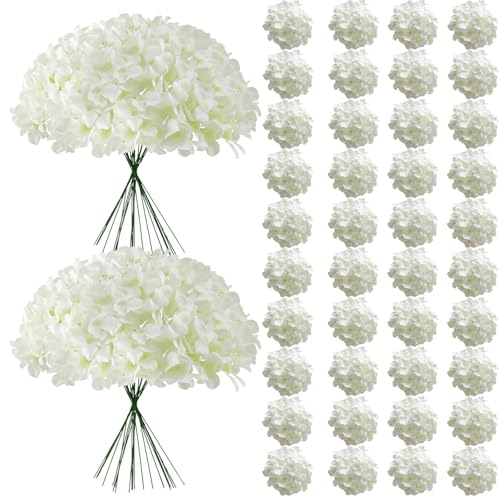
Cherica 65Pcs White Hydrangea Artificial Flowers Bulk for Home Decor | Realistic Silk Fake Flowers with Stems,Faux Flowers for Wedding Decor Centerpieces Living Room Party Baby Shower Decoration
Check price on Amazon
NYGardenia 35 Mixed Hydrangea Seeds for Planting, Mophead Flower Clusters | Woody shrub habit with broad foliage; partial shade to filtered sun and evenly moist, well-drained soil
Check price on Amazon
Yatim 21In White Artificial Hydrangea Flowers with Stems 5 Pcs | Real Touch Hydrangeas, Full Latex Petals, for Home DIY Floral Arrangements Wedding Outdoor Decor
Check price on Amazon
Kimura's Cabin 6Pcs Hydrangea Artificial Flowers Fall Flower,Autumn Yellow | Faux Hydrangeas with Stems,Vintage Fake Flowers,Wedding Bouquets Arrangement ,Autumn Farmhouse Home Table Center Decoration
Check price on Amazon
6PCS White Hydrangea Artificial Flowers, Bulk Silk Fake Flower with Stems | Faux Hydrangeas Bouquets for Home Décor, Wedding, Party, and Office Table Centerpieces.
Check price on Amazon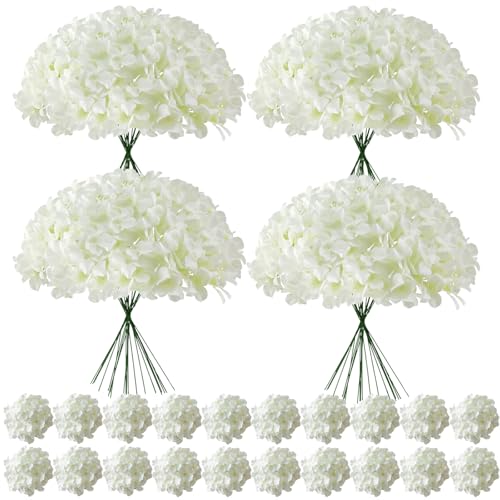
Cherica 100 Pcs Faux White Hydrangea Artificial Flowers Bulk Fake Flowers | Silk Hydrangea Flowers Heads with Stems for Wedding Decorations Garden Party Baby Shower Porch Home Decor Table Centerpieces
Check price on AmazonFrequently Asked Questions About Hydrangeas
How often should I water hydrangeas?
Hydrangeas need consistent moisture, especially during hot weather. Water deeply 2-3 times per week, providing about 1 inch of water each time. Container plants may need daily watering in summer. Always check soil moisture before watering — the top inch should feel dry before you water again.
Why are my hydrangeas not blooming?
Common causes include improper pruning timing (especially for old-wood bloomers), too much shade, excessive nitrogen fertilizer, frost damage to buds, or drought stress. Identify your hydrangea type to prune correctly and ensure it receives adequate sunlight. Bigleaf hydrangeas in cold climates may also lose buds to winter cold — try protecting them with burlap or mulch.
How do I change hydrangea color?
For bigleaf and mountain hydrangeas, soil pH determines color. Acidic soil (pH below 6.0) produces blue flowers; alkaline soil (pH above 7.0) produces pink. Add aluminum sulfate for blue or garden lime for pink. White hydrangeas (panicle, smooth, oakleaf) do not change color.
When should I prune hydrangeas?
Pruning timing depends on variety. Prune bigleaf, oakleaf, and mountain hydrangeas after summer bloom (late summer) since they bloom on old wood. Panicle and smooth hydrangeas bloom on new wood and should be pruned in late winter or early spring. Never prune old-wood bloomers in spring or you'll lose the season's flowers.
Can hydrangeas grow in containers?
Yes! Many hydrangeas thrive in containers, especially dwarf varieties like 'Little Lime' or 'Bobo'. Use a large pot (at least 18-24 inches wide) with drainage holes, and fill it with rich, well-draining potting mix. Container hydrangeas need more frequent watering — often daily in summer — and benefit from a layer of mulch to retain moisture.
Are hydrangeas toxic to pets?
Hydrangeas contain cyanogenic glycosides and can be mildly toxic to dogs and cats if ingested in large quantities, causing vomiting and diarrhea. They're generally not fatal but should be kept out of reach of curious pets. If you suspect your pet has eaten hydrangea, contact your veterinarian.