Storing Vegetables: Keep Your Harvest Fresh Longer
Discover the best methods to store vegetables — from root cellaring to freezing. Reduce waste, save money, and enjoy garden-fresh taste all year round.
Learn When to HarvestProper vegetable storage is the key to enjoying your garden's bounty long after the growing season ends. Whether you have a surplus of tomatoes, a glut of zucchini, or a cellar full of root crops, knowing how to store each type correctly can extend shelf life from days to months. This guide covers the most effective techniques — from traditional root cellaring to modern freezing and canning — so you can reduce food waste and savor your harvest year-round.
Top Storage Methods at a Glance
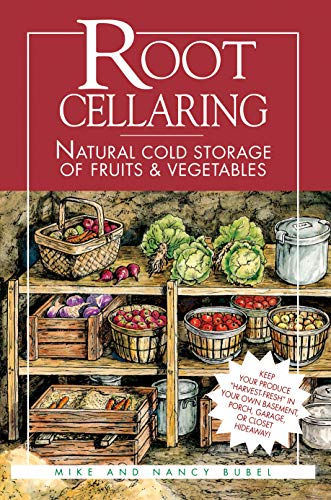
🥕 Root Cellaring
Ideal for potatoes, carrots, beets, and onions. Keep them in a cool, dark, humid place (32–40°F) with good ventilation.
❄️ Refrigeration
Best for leafy greens, broccoli, celery, and herbs. Use high-humidity drawers and proper wrapping to prevent wilting.
🧊 Freezing
Perfect for peas, corn, beans, and berries. Blanch first to preserve color, texture, and nutrients.
🥫 Canning & Preserving
Great for tomatoes, cucumbers (pickles), and fruit. Water-bath or pressure canning ensures long-term shelf stability.
Root Cellaring & Cool Storage
Before refrigeration, root cellars were the cornerstone of food preservation. Even today, a cool, dark, and slightly humid environment is the best way to store many root vegetables. Potatoes, carrots, beets, turnips, and onions thrive in temperatures between 32°F and 40°F with 85–95% humidity. If you don't have a basement or cellar, a garage, unheated room, or even a buried container can work. For onions and garlic, a drier, well-ventilated spot is crucial to prevent mold. Learn how to grow potatoes that store well, and see our carrot growing guide for the best varieties for long-term storage.
For those with limited space, consider raised bed soil that promotes healthy root development, making storage easier. Also, proper crop rotation reduces disease, which improves storage life.
Refrigeration: Best Practices
Your refrigerator is a powerful tool for storing vegetables that are sensitive to heat and ethylene gas. Leafy greens, broccoli, cauliflower, celery, and herbs all benefit from high humidity and cool temperatures (32–36°F). Wrap them in slightly damp paper towels and place them in perforated bags or crisper drawers. Avoid storing ethylene-producing fruits (like apples and tomatoes) near ethylene-sensitive vegetables, as this accelerates spoilage. Growing your own lettuce and other greens is rewarding, and proper storage keeps them crisp for up to a week.
For peppers and cucumbers, a slightly warmer spot (45–50°F) is better, as they are prone to chilling injury. Check our pepper growing guide for harvest and storage tips.
Freezing Vegetables: A Step-by-Step Guide
Freezing is one of the simplest and most nutritious ways to preserve vegetables. The key is blanching — briefly boiling or steaming vegetables before freezing — which stops enzyme activity that causes loss of flavor, color, and texture. Popular vegetables for freezing include peas, corn, green beans, broccoli, and spinach. Growing beans and sweet corn gives you plenty of produce to freeze.
📦 Freezing Quick Tips
- Blanch vegetables for 2–5 minutes (depending on size).
- Plunge into an ice bath to stop cooking, then drain well.
- Pack into freezer-safe bags or containers, remove as much air as possible.
- Label with date and use within 8–12 months for best quality.
For vegetables like squash and zucchini, freezing is also effective, but they release water, so they're best used in cooked dishes. Learn how to grow squash and okra for a diverse frozen harvest.
Canning & Preserving for Long-Term Storage
Canning is a time-honored method for storing vegetables without refrigeration. Water-bath canning works for high-acid foods like tomatoes and pickles, while pressure canning is necessary for low-acid vegetables like green beans, corn, and carrots. This method locks in freshness and can keep food safe for over a year. Explore our full canning and preserving guide for detailed instructions, safety tips, and recipes.
If you're new to canning, start with a simple recipe like pickled cucumbers or tomato sauce. Growing your own tomatoes ensures the freshest flavor for your canned goods. Also, onions and garlic are excellent additions to many preserved recipes.
Seed Saving: Your Next Garden Starts Here
Storing vegetables isn't just about the produce — it's also about saving seeds for next season. Properly dried and stored seeds can last for years. Read our seed saving guide to learn how to collect, dry, and store seeds from your best-performing plants. This practice not only saves money but also helps you develop varieties adapted to your local conditions.
For a complete system, combine storage knowledge with square foot gardening to plan your garden for continuous harvest. And don't forget succession planting to spread your harvest over a longer period, reducing the pressure to store everything at once.
Ready to Store Your Vegetables Like a Pro?
Equip yourself with the right tools — from canning jars to freezer bags — and make the most of your harvest.
Get Garden-Fresh Recipes