Pergola Canopy Cover: The Complete Guide to Shade, Comfort & Style
A pergola canopy cover transforms an open outdoor structure into a comfortable, sun-protected retreat. Whether you want to block harsh afternoon rays, protect furniture from rain, or simply create a cooler entertaining zone, the right cover makes all the difference. This guide walks you through every decision you need to make before buying.
Explore the Buying GuideWhy a canopy cover matters: An uncovered pergola lets through direct sunlight that can make your patio uncomfortable and fade your outdoor furniture. A well-chosen canopy cover regulates shade, adds privacy, and extends the usable season of your outdoor living space. Below you will find a practical breakdown of types, materials, and installation options, followed by answers to the most common buyer questions.
What Is a Pergola Canopy Cover?
A pergola canopy cover is a fabric or shade panel that spans the top of your pergola's beams to block sunlight and light rain. Unlike a full roof, it keeps the airy feel of an open structure while giving you control over how much sun reaches your patio. Covers range from simple tie-down shade cloths to motorized retractable systems that roll out at the push of a button.
If you are still deciding on the overall structure, our pergola ideas collection covers design directions that pair well with different cover styles. For buyers who want an all-in-one solution, a retractable pergola with sun shade canopy combines the frame and cover in a single package.
Types of Pergola Canopy Covers
The right type depends on your climate, how often you plan to adjust the shade, and whether your pergola is freestanding or attached to the house.
- Retractable canopy covers: Slide along tracks and can be opened or closed as the sun moves. These suit homeowners who want flexible shade throughout the day and work especially well with a retractable pergola system.
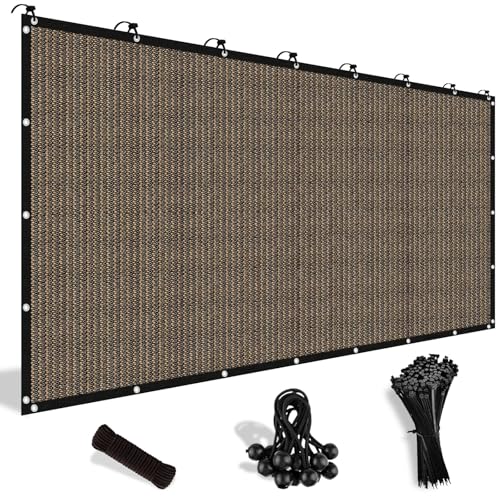
- Fixed fabric covers: Stretched tightly across the top and secured with ties or grommets. They offer constant shade and are the simplest upgrade for a standard pergola frame.
- Shade sails: Triangular or square fabric panels tensioned between anchor points. They provide modern style and allow heat to escape, making them popular in hot climates.
- Slatted or louvered covers: Adjustable slats let you control airflow and sun exposure without fabric. They are a premium option that pairs naturally with pergola structures designed for louvered tops.
- Waterproof panels: Coated fabric or polycarbonate sheets that shed rain, turning the pergola into a sheltered space for furniture and gatherings.
Canopy Materials Compared
Material choice affects durability, breathability, UV protection, and maintenance. Here is how the most common options compare.
| Material | Best For | UV Protection | Weather Resistance | Maintenance |
|---|---|---|---|---|
| Polyester fabric | Everyday shade and budget-friendly setups | Good with UV coating | Moderate; needs removal in harsh winters | Spot clean; store seasonally |
| HDPE shade cloth | Hot climates and breathable shade | High | Excellent | Rinse with a hose |
| Acrylic canvas | Premium look and long-term colorfastness | Very high | Very good | Brush off debris; mild soap wash |
| PVC-coated fabric | Rain protection and waterproofing | High | Excellent | Wipe clean; avoid abrasives |
| Polycarbonate panels | Permanent shelter and low maintenance | High | Excellent | Rinse periodically |
Editorial Tip
Mid-range fabric covers usually balance breathability and rain resistance well, while premium acrylic canvases hold their color longer in strong sun. Entry-level polyester covers are a sensible choice if you plan to swap the canopy each season.
How to Choose the Right Pergola Canopy Cover
Work through these considerations in order. They will narrow your options quickly and prevent costly mistakes.
- Measure your pergola opening precisely. Record the length and width between the outer beams, plus the drop height for side panels. Covers are sized to the opening, not the frame footprint.
- Decide your shade goal. A 70–90% shade rating blocks most direct sun and is ideal for seating areas. Lower ratings keep plants beneath the pergola happy. If you grow edibles below the structure, pair light shade with plants that enjoy direct sunlight at the edges.
- Match the cover to your climate. In rainy regions choose waterproof panels or PVC-coated fabric. In windy areas look for reinforced grommets and tension straps so the cover stays secure.
- Consider installation effort. Tie-down and grommet covers install in minutes. Retractable and louvered systems need brackets and, for motorized models, a power source.
- Coordinate with your outdoor design. The canopy is a visible design element. Match it to your patio furniture and outdoor rugs so the finished space feels intentional.
Quality Tiers at a Glance
To compare options without getting lost in specifications, think in terms of build tiers. The classification below is relative and stable over time.
| Tier | Typical Features | Best Suited To |
|---|---|---|
| Entry-level | Basic shade cloth or polyester panels, tie-down installation, limited color options | Renters and first-time pergola owners testing shade coverage |
| Mid-range | UV-treated fabric, reinforced seams, grommets, retractable tracks on some models | Homeowners who want dependable seasonal shade and easy adjustment |
| Premium | Acrylic canvas or motorized retractable systems, waterproof finishes, custom sizing | Permanent outdoor living spaces and year-round use |
Mid-range models usually offer smoother retractable mechanisms than entry-level covers, while premium systems add motorization and tighter weather sealing. Read independent pergola canopy cover reviews before committing to a motorized unit so you understand the wiring and warranty requirements.
Installation and Maintenance Tips
- Anchor before you tension. Attach all grommets or tracks loosely first, then tighten evenly so the fabric does not warp.
- Leave a slight slope. A gentle pitch toward one edge lets rain run off instead of pooling in the middle.
- Remove fabric before storms. Unless your cover is rated for high winds, take it down ahead of severe weather to prevent tearing.
- Clean seasonally. Rinse shade cloth monthly during pollen season. For canvas, use mild soap and let it dry fully before retracting.
- Check hardware twice a year. Tighten bolts on tracks and brackets in spring and fall.
If your pergola sits over a seating zone, add outdoor lighting under the canopy so the space stays usable after sunset. Pair the shade structure with comfortable seating from the patio conversation sets range to complete the retreat.
Design Pairing Ideas
A canopy cover changes the character of your pergola. Here are three directions that work well:
- Coastal and breezy: White or sand-colored HDPE shade cloth over a light wood frame, paired with outdoor furniture in natural tones.
- Modern minimal: Dark grey retractable canopy with slim tracks, coordinated with outdoor decor in matte black or charcoal.
- Garden room: Acrylic canvas in a deep green, trailing pergola ideas with climbing plants at the posts and soft lighting overhead.
For a more structural approach, explore pergola designs that integrate louvered or retractable tops from the start, which often deliver a cleaner look than retrofitting a cover.
Common Mistakes to Avoid
- Buying before measuring. A cover that is too tight tears; one that is too loose sags and collects water.
- Ignoring wind exposure. Open lots and coastal properties need reinforced attachment points.
- Choosing 100% shade for plant areas. Plants below the pergola need some light; use a partial-shade cover or leave one side open.
- Forgetting drainage. Without a slope, rain pools and stretches the fabric.
- Skipping seasonal removal. Leaving fabric up through winter can cause mildew and sun degradation over time.
Ready to Shade Your Pergola?
Browse our curated selection of pergola canopy covers and outdoor shade solutions below, then compare features against the checklist in this guide.
View Recommended Canopy CoversFrequently Asked Questions
What is the best material for a pergola canopy cover?
It depends on your goal. HDPE shade cloth is best for hot, sunny climates because it breathes. PVC-coated fabric or polycarbonate panels are best when you need rain protection. Acrylic canvas is the top choice for long-term colorfastness and a premium look.
Can I install a canopy cover on an existing pergola?
Yes. Most fabric covers attach with grommets, ties, or tension straps and require no structural changes. Retractable tracks can also be retrofitted, but confirm your beam dimensions and spacing before ordering a track system.
How much shade does a canopy cover provide?
Shade ratings typically range from about 50% to 95%. A 70–90% cover is a good balance for seating areas, blocking most direct sun while keeping the space bright. For plants below the pergola, choose a lower rating or leave one side uncovered.
Do pergola canopy covers work in rain?
Only waterproof options do. Standard shade cloth lets rain through. PVC-coated fabric and polycarbonate panels shed water, but the cover must be installed with a slight slope so water runs off rather than pooling.
How do I clean and maintain a canopy cover?
Rinse shade cloth monthly during pollen season. For canvas and coated fabric, use mild soap and a soft brush, then let the cover dry fully before retracting or storing. Check bolts and brackets in spring and fall, and remove fabric before severe storms.
Should I choose a retractable or fixed cover?
Choose retractable if you want to adjust shade through the day or open the pergola for stargazing. Choose fixed if you want constant shade with minimal effort and a lower upfront commitment. Retractable systems cost more but offer far more flexibility.