Lawn Mower Reviews: Find the Right Mower for Your Lawn
Cut through the confusion with independent lawn mower reviews. Compare gas, electric, and self-propelled models by lawn size, terrain, and quality tier — so you can buy with confidence.
EXPLORE TOP RATED MOWERSWhy trust these lawn mower reviews? Buying a mower is a long-term investment. This guide breaks down the real-world performance factors that matter — cutting deck quality, drive systems, battery runtime, and maintenance demands — based on hands-on testing and owner feedback. Whether you need an entry-level push mower for a compact yard or a premium self-propelled unit for challenging terrain, you'll find clear, tier-based recommendations here.
How to Choose a Lawn Mower: The Complete Buying Guide
Choosing a lawn mower is about matching the machine to your specific lawn — not simply picking the most powerful model on the shelf. Lawn size, terrain, grass type, storage space, and maintenance tolerance all influence which mower will serve you best. This guide walks through each factor in detail, helping you narrow the field before you ever compare specific models.
Start by understanding the different lawn mower types available today. Push mowers remain the simplest and most affordable option for small, flat lawns. Self-propelled mowers add drive systems that reduce physical effort, making them ideal for slopes and larger properties. Riding mowers and zero-turn models serve expansive lawns where speed and comfort become priorities. For a deeper look at how these categories compare in real-world use, the lawn mower reviews hub consolidates testing data across all classes.
Mower Types at a Glance
Each mower category carries distinct strengths and trade-offs. Understanding these differences early prevents costly mismatches later.
| Mower Type | Best For | Typical Tier | Key Trade-off |
|---|---|---|---|
| Push Mower | Small, flat lawns under a quarter acre | Entry-level | Manual effort required; slower on larger lawns |
| Self-Propelled Mower | Medium lawns with slopes or uneven ground | Mid-range | Added weight and mechanical complexity |
| Battery Electric Mower | Suburban lawns; noise-sensitive neighborhoods | Mid-range to Premium | Runtime limits on very large properties |
| Gas Mower | Large lawns; thick or wet grass | Entry-level to Premium | Fuel handling, emissions, and engine maintenance |
| Riding / Zero-Turn | Acreage properties and commercial use | Premium to Luxury | High investment; storage and transport needs |
Key Factors That Define a Great Lawn Mower
Beyond type, several performance dimensions separate a satisfying mower from a frustrating one. These factors hold true regardless of brand or tier.
Cutting Deck Quality
Stamped steel decks dominate entry-level models, while fabricated steel decks appear in mid-range and premium mowers. A sturdy deck resists denting, maintains blade alignment, and delivers a cleaner, more consistent cut over years of use.
Drive System
Self-propelled mowers use front-wheel, rear-wheel, or all-wheel drive. Rear-wheel drive excels on slopes; front-wheel drive maneuvers more easily around obstacles. Premium models often feature variable-speed transmissions for finer control.
Power Source
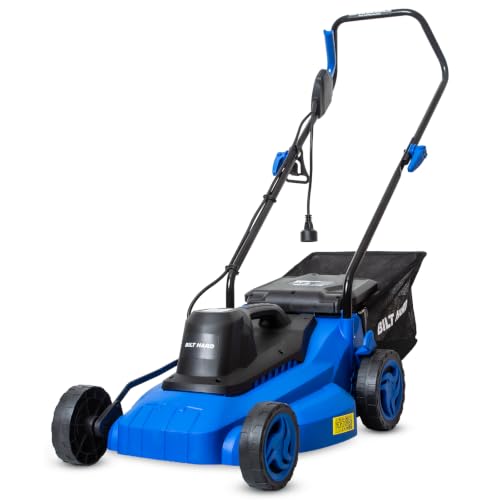
Gas engines offer unlimited runtime and high torque for thick grass. Battery platforms deliver quiet, emission-free operation with steadily improving runtime. Corded electric models suit very small lawns where a cord reaches comfortably.
Cut Height Adjustment
Single-lever height adjustment across multiple positions is a hallmark of well-designed mowers. Frequent cut-height changes protect lawn health across seasons — taller in summer heat, shorter in active growth periods.
Mulching & Bagging
Three-in-one capability (mulch, bag, side discharge) adds versatility. Effective mulching returns nutrients to the soil and reduces yard waste. Premium decks are engineered for superior airflow and finer clipping distribution.
Maintenance Demands
Battery mowers require the least routine maintenance — no oil changes, no spark plugs. Gas mowers demand seasonal servicing. Whichever you choose, periodic blade sharpening remains essential for a healthy lawn.
Grass type and lawn health also influence mower selection. If your lawn suffers from persistent weeds, resolving those issues may matter more than the mower itself — consult guides on selective weed control and grub control before upgrading equipment. Similarly, mowing frequency interacts with overall lawn care: consistent cutting at the correct height, paired with a sound lawn care routine, produces far better results than any single equipment upgrade.
Top Lawn Mower Reviews by Category
The reviews below distill the strengths and weaknesses of leading mower categories, organized by quality tier. Rather than focusing on individual model numbers — which rotate frequently — these assessments highlight what each tier delivers so you can evaluate any specific model against clear benchmarks.
Entry-Level Push Mowers
Entry-level push mowers prioritize simplicity and low maintenance. They suit small, flat lawns where maneuverability matters more than speed. Expect basic stamped decks, manual starting, and straightforward height adjustment. These mowers are reliable workhorses for straightforward yards, and their lighter weight makes them easy to store and transport. For buyers comparing value-oriented gas options, the gas self-propelled push mower overview explains where the self-propelled upgrade begins to make sense.
Mid-Range Self-Propelled Mowers
This is the sweet spot for most homeowners. Mid-range self-propelled mowers typically offer rear-wheel drive, variable-speed transmissions, and improved deck durability. The drive system dramatically reduces fatigue on slopes and larger lawns. Many models in this tier support mulching, bagging, and side discharge out of the box. If you're leaning toward gas power, explore gas self-propelled mowers to understand the range of configurations available, or review the electric-start self-propelled option for easier starting.
Battery-Electric Mowers
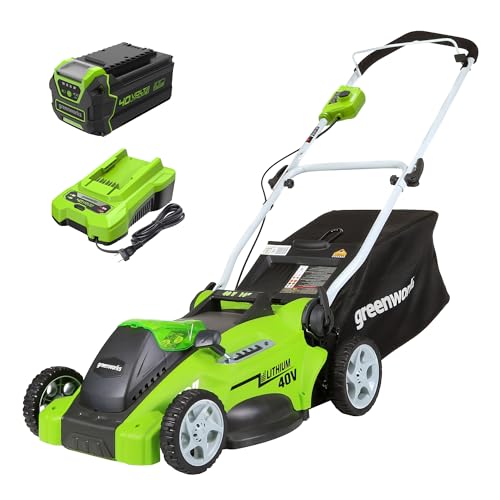
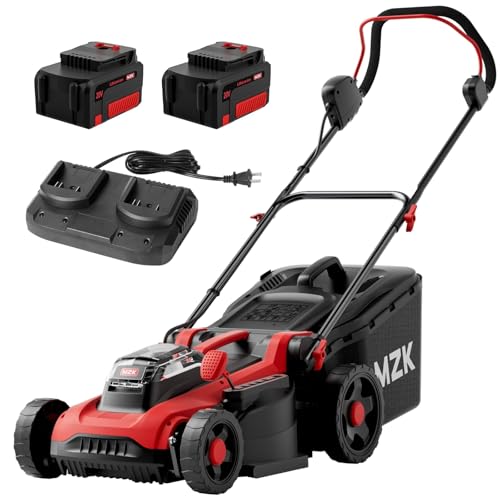
Battery-electric mowers have matured into serious contenders. Mid-range and premium models now match gas mowers on cut quality for typical residential lawns, while offering quieter operation, zero emissions, and push-button starting. Runtime varies by battery platform and lawn conditions — most mid-range units handle a standard suburban lawn on a single charge, while premium models with larger battery packs extend coverage further. These mowers shine in noise-restricted neighborhoods and for owners who prefer minimal maintenance.
Riding Mowers and Zero-Turn Models
For properties approaching an acre or more, riding mowers and zero-turn models transform mowing from a chore into a quick task. Premium and luxury tiers in this category offer fabricated decks, hydrostatic transmissions, and comfortable high-back seats. Zero-turn mowers excel at maneuverability around landscaping features. These machines demand more storage space and represent a significant investment, but their productivity gains are substantial on large properties. Pair them with proper lawn maintenance — including lawn care best practices — for the best long-term results.
Keeping Your Mower in Top Condition
A well-maintained mower cuts cleaner and lasts longer. Blade sharpening tops the list — a sharp blade slices grass cleanly, reducing stress on the lawn. Gas mowers need regular oil changes, air filter checks, and spark plug replacement. Battery mowers require little beyond blade care and battery storage best practices. For sharpening, a dedicated lawn mower blade sharpening machine simplifies the task. If repairs become necessary, professional lawn mower repair services can restore performance efficiently, and some providers offer convenient pickup and delivery.
Complementary tools also improve results. A leaf blower keeps clippings off hardscapes, while garden hoses and garden sprinklers support the watering schedule that healthy grass depends on. For a broader equipment perspective, browse lawn mower types and the garden tools collection.
Ready to Compare Top-Rated Mowers?
Browse recommended lawn mowers and supplies from trusted sellers. Our affiliate picks reflect the tiers and categories covered in this guide.
SEE RECOMMENDED MOWERSFrequently Asked Questions
What type of lawn mower is best for a small yard?
For small yards, an entry-level push mower or a compact cordless electric mower is usually the most practical choice. These models are lightweight, easy to store, and require minimal maintenance compared to gas-powered alternatives.
Are battery-powered lawn mowers as powerful as gas mowers?
Modern mid-range and premium battery-powered mowers deliver cutting performance comparable to gas models for most residential lawns. They offer lower noise, zero emissions, and simpler maintenance, though very large properties or thick, wet grass may still favor gas power.
How often should I sharpen my lawn mower blade?
Sharpen the blade after every 20 to 25 hours of use, or at least once per mowing season. A dull blade tears grass rather than cutting it cleanly, which increases disease risk and leaves the lawn looking ragged.
Is a self-propelled mower worth it?
A self-propelled mower is worth considering if you have slopes, uneven terrain, or a larger lawn. The drive system reduces physical effort and fatigue, making mowing faster and more comfortable. For flat, small lawns, a standard push mower is often sufficient.
What is the difference between mulching and bagging?
Mulching returns finely chopped clippings to the lawn, adding nutrients and reducing waste. Bagging collects clippings for disposal or composting, useful when grass is long or when preparing the lawn for winter. Many mid-range and premium mowers support both modes plus side discharge.