Lawn Blower Guide: Choose, Use & Maintain Leaf Blowers
Whether you are clearing autumn leaves, tidying up after mowing, or keeping your driveway spotless, a lawn blower is one of the most time-saving tools in your outdoor arsenal. This complete guide walks you through every type of leaf blower, how to match one to your property, proper technique, and long-term maintenance—so you buy with confidence and get years of reliable performance.
JUMP TO BUYING GUIDEWhy a Lawn Blower Belongs in Every Garden Shed: A leaf blower does far more than push leaves. It clears grass clippings from walkways, dries wet patios, removes debris from gutters (with the right attachment), and even helps spread mulch evenly. Understanding airflow, airspeed, and blower type is the difference between a frustrating chore and a five-minute task. This guide gives you the clarity you need to make a smart, lasting purchase.
What Is a Lawn Blower and Why Does It Matter?
A lawn blower—also called a leaf blower or yard blower—is a powered tool that moves air at high velocity to clear debris from lawns, driveways, patios, and garden beds. Originally designed for commercial landscaping, modern blowers are now compact, quiet, and energy-efficient enough for everyday homeowners. The right blower transforms a back-breaking raking session into a quick pass across your yard.
Choosing the correct blower matters because the wrong unit wastes energy, creates noise complaints, and may not handle your debris load. Light leaves call for a different machine than wet, heavy grass clippings or pinecones. Before you shop, think about your property size, debris type, and how often you plan to use the tool. For a broader look at outdoor power equipment, explore our garden tools collection and our gardening tools hub for complementary equipment like hedge trimmers.
Types of Lawn Blowers: Choose the Right Power Source
Lawn blowers fall into three main categories based on their power source. Each has distinct strengths, and the best choice depends on your yard size, noise tolerance, and maintenance preferences.
1. Cordless Electric Blowers
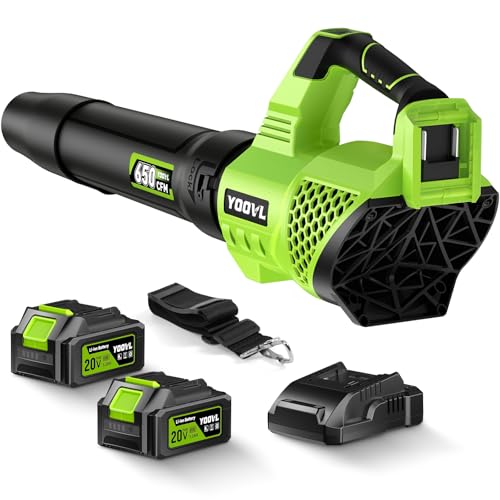
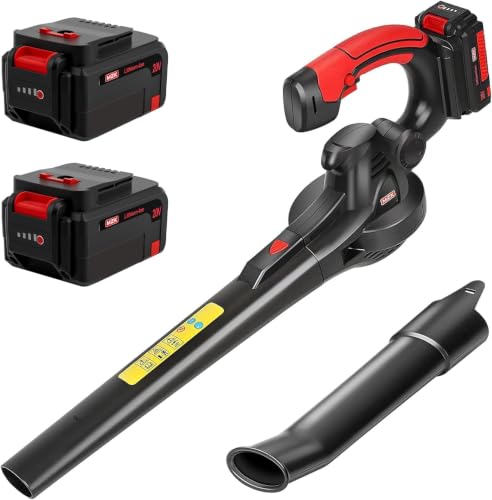
Cordless battery-powered blowers are the fastest-growing category because they combine freedom of movement with zero emissions and low maintenance. Modern lithium-ion batteries deliver surprising power, and many entry-level and mid-range models now rival gas blowers for light-to-medium yard work. They start instantly, run quietly, and need almost no upkeep beyond charging and cleaning.
Best for: Small to medium yards, neighborhoods with noise restrictions, and anyone who values convenience. Battery platforms from major brands let you share packs with other tools such as string trimmers.
2. Corded Electric Blowers
Corded blowers plug into a standard outlet and deliver consistent power without battery anxiety. They are typically the lightest and most affordable option, making them ideal for patios, decks, and small lawns where an extension cord can reach. The trade-off is limited mobility and cord management.
Best for: Small yards, hardscape cleanup, and budget-conscious buyers who want dependable power near the house.
3. Gas-Powered Blowers
Gas blowers remain the top choice for large properties and heavy debris. They deliver the highest airspeed and airflow, run indefinitely on a full tank, and handle wet leaves and storm debris with ease. The trade-offs are noise, exhaust emissions, and regular maintenance like fuel mixing and spark plug changes.
Best for: Large lots, rural properties, commercial use, and heavy seasonal cleanup. Learn more about gas-powered lawn care by reading our lawn mower types guide and lawn mower reviews.
| Feature | Cordless Electric | Corded Electric | Gas-Powered |
|---|---|---|---|
| Power Level | Entry to mid-range | Entry to mid-range | Mid to premium |
| Mobility | Excellent | Limited by cord | Excellent |
| Noise Level | Low to moderate | Low | Moderate to high |
| Maintenance | Very low | Very low | Moderate to high |
| Emissions | Zero | Zero | Exhaust emissions |
| Best Yard Size | Small to medium | Small | Large |
Key Specifications: Airspeed, Airflow, and What They Mean
Two numbers define a leaf blower's performance: airspeed (measured in miles per hour) and airflow (measured in cubic feet per minute, or CFM). Airspeed determines how forcefully the blower pushes debris, while airflow determines how much debris it can move at once. You need both to match your job.
Airspeed (MPH)
Airspeed is the velocity of the air leaving the nozzle. Higher airspeed helps dislodge stuck debris like wet leaves and pinecones from grass. Think of airspeed as the blower's "punch."
- Entry-level blowers typically reach 100–150 mph—fine for dry leaves on hard surfaces.
- Mid-range blowers reach 150–200 mph and handle mixed debris on lawns.
- Premium blowers exceed 200 mph and clear wet, heavy debris with ease.
Airflow (CFM)
Airflow measures the volume of air moved per minute. High CFM is what sweeps a wide path of leaves forward efficiently. A blower with high airspeed but low CFM punches holes through debris; high CFM with low airspeed moves leaves but struggles with stuck debris. Balanced models pair both figures well.
Quick Tip: For light leaf cleanup on patios and driveways, prioritize airflow. For wet leaves, grass clippings, and pinecones on lawns, prioritize airspeed. Mid-range models that balance both are the safest all-round choice for most homeowners.
Lawn Blower Buying Guide: Match the Tool to Your Property
Buying a leaf blower is not about picking the most powerful model—it is about matching power to your actual needs. Overbuying wastes money and creates unnecessary noise; underbuying leaves you frustrated with a tool that cannot handle your debris. Follow this practical framework.
Step 1: Measure Your Yard
Walk your property and estimate the area you need to clear. Small yards under a quarter-acre are well-served by cordless or corded electric models. Medium yards between a quarter and half an acre benefit from higher-capacity cordless units or lighter gas blowers. Large properties over half an acre should look at gas-powered or premium cordless blowers.
Step 2: Identify Your Debris Type
Dry leaves on a driveway are the easiest debris to move. Wet leaves, grass clippings, acorns, and pinecones require more force. If your property has mature trees that drop heavy debris, invest in a mid-range or premium blower. For general tidying, an entry-level or mid-tier model is sufficient.
Step 3: Consider Noise and Local Rules
Many communities restrict gas blower use during certain hours or seasons. If you live in a dense neighborhood, a cordless electric blower keeps you compliant and neighbor-friendly. Electric models are also safer for early-morning or evening use.
Step 4: Check Ergonomics and Weight
You will carry the blower for extended periods. Look for padded straps, adjustable tubes, and lightweight designs. Backpack blowers distribute weight across your shoulders and suit long sessions. Handheld models are easier to maneuver in tight spaces. If you have limited mobility, consider our garden kneelers for comfortable positioning during other yard tasks.
Step 5: Factor in Battery Platform
If you already own cordless tools from a specific brand, choose a blower that shares the same battery system. This reduces cost and clutter. Battery voltage and amp-hours determine runtime—higher amp-hours mean longer sessions between charges.
Step 6: Look for Useful Features
- Variable speed trigger: Lets you dial down force near garden beds and delicate plants.
- Cruise control: Holds a consistent speed for long passes without finger fatigue.
- Vacuum and mulch kits: Some blowers convert into vacuums that shred leaves for composting.
- Nozzle attachments: Flat nozzles widen the airstream; round nozzles concentrate force.
- Tube length adjustment: Helps users of different heights work comfortably.
For complementary cleanup tools, browse our garden hoses, hose nozzles, and hose reels to keep your outdoor space tidy year-round.
How to Use a Lawn Blower Correctly
Proper technique protects your plants, saves time, and gets better results. Many homeowners over-blow and damage soil or mulch. Follow these steps for efficient, damage-free cleanup.
Clear Hard Surfaces First
Start on driveways, patios, and walkways. Use higher speed and a wide nozzle to move debris efficiently.
Work With the Wind
Blow in the direction of the wind when possible, and always push debris toward a collection point.
Reduce Speed Near Plants
Switch to lower speed near garden beds, mulch, and delicate plants to avoid displacing soil and damaging roots.
Use Sweeping Motions
Move the nozzle in smooth, wide arcs rather than jabbing at individual leaves for faster, even results.
Collect and Compost
Gather leaves into a pile and add them to your compost bin. Leaf mold is excellent for soil health.
Finish With a Final Pass
Do a slow final pass on hard surfaces to catch stragglers. A clean finish makes the whole yard look cared for.
Pair blower work with a broader seasonal plan. Our lawn fertilizing and mowing tips guides help you keep grass healthy through every season, while our lawn aeration article covers soil improvement.
Lawn Blower Maintenance: Keep It Running for Years
Regular maintenance extends blower life, protects performance, and prevents costly repairs. Electric and gas models have different needs.
Electric Blower Maintenance
- Wipe down the housing and tube after each use to prevent debris buildup.
- Check intake vents monthly and remove leaves or dust that restrict airflow.
- Inspect the power cord on corded models for cracks or fraying.
- Store batteries at moderate temperatures and charge them fully before long storage.
- Clean battery contacts with a dry cloth if performance drops.
Gas Blower Maintenance
- Clean or replace the air filter every 25 hours of use.
- Inspect the spark plug every season and replace it when worn.
- Use fresh fuel and add stabilizer before storing the unit for winter.
- Check the fuel lines for cracks and replace them as needed.
- Clean the cooling fins and intake to prevent overheating.
- Sharpen or replace worn impeller blades if airflow drops noticeably.
Seasonal Tune-Up Tip: Before heavy fall leaf season, perform a full inspection—clean filters, check belts, tighten bolts, and test the trigger. A 15-minute tune-up prevents mid-season breakdowns when you need the blower most.
For related equipment upkeep, see our lawn mower reviews and lawn mower types guides to keep every powered tool in top shape.
Safety Tips for Lawn Blower Use
Leaf blowers are powerful tools, and misuse can cause injury or property damage. Follow these safety practices every time you operate one.
- Wear safety glasses and hearing protection, especially with gas models.
- Never point the nozzle at people, pets, or windows.
- Avoid blowing debris toward storm drains, which can cause clogs.
- Do not use a blower on gravel or loose soil where debris can become a projectile.
- Keep children and pets at a safe distance while operating.
- Never modify the nozzle or remove safety guards.
- For gas models, refuel only when the engine is cool and outdoors.
Safety also means protecting your garden. Use lower speeds near hostas, hydrangeas, and other delicate plants to avoid damaging leaves and blooms.
Common Lawn Blower Mistakes to Avoid
Even experienced gardeners make these mistakes. Avoiding them improves results and protects your landscaping.
- Blowing at full speed everywhere: High speed is for hard surfaces. Reduce speed near garden beds and mulch.
- Blowing into the wind: You will fight the debris. Work with the wind whenever possible.
- Ignoring the intake: A clogged intake reduces power and overheats the motor. Clean it regularly.
- Using a blower on wet, heavy debris: Wet leaves cling to surfaces. Let them dry or use a rake first.
- Storing batteries in the cold: Cold storage shortens battery life. Keep batteries indoors during winter.
- Overlooking local noise rules: Check your municipality's regulations before using a gas blower.
Frequently Asked Questions About Lawn Blowers
What is the best type of lawn blower for home use?
For most homeowners, a cordless electric leaf blower offers the best balance of convenience, power, and low maintenance. Gas models suit larger properties, while corded electric units work well for smaller yards near an outlet.
How do I choose the right airspeed for my leaf blower?
Airspeed is measured in mph. Entry-level blowers typically reach 100–150 mph, mid-range units reach 150–200 mph, and premium models exceed 200 mph. Choose based on your debris type—light leaves need less, wet or heavy debris needs more.
Can a leaf blower damage my lawn or plants?
Yes, if used improperly. Avoid blowing at full force directly into garden beds, keep the nozzle away from soil and mulch, and never aim at delicate plants. Use lower speeds near landscaping and higher speeds on hard surfaces.
How often should I maintain my lawn blower?
Clean the air filter and check the spark plug every 25 hours of use for gas models. For electric models, inspect the intake and vents monthly. Perform a full seasonal tune-up before heavy fall use.
Are cordless leaf blowers powerful enough for large yards?
Premium cordless models now deliver airspeed and airflow comparable to lighter gas blowers, making them suitable for medium to large yards. For very large properties with heavy debris, gas remains the most powerful option.
Can I use a leaf blower to dry my car or patio?
Yes, a leaf blower is excellent for drying cars, patios, and outdoor furniture after washing. Use a moderate speed and a wide nozzle to avoid splashing water onto nearby surfaces.
Final Thoughts: Buy Once, Use for Years
A lawn blower is a long-term investment in your property's appearance and your own free time. The right model depends on your yard size, debris type, and noise considerations—not simply on raw power. Cordless electric blowers have become the sweet spot for most homeowners, offering instant starts, low maintenance, and sufficient power for everyday cleanup. Gas models remain the choice for large properties and heavy seasonal work.
Whatever you choose, commit to proper technique and regular maintenance. Those two habits will keep your blower running efficiently for a decade or more. And remember to pair your blower with other essential tools—our garden tools hub covers everything from hedge trimmers to garden hoses, so your outdoor workspace stays organized and ready for any season.
Explore our lawn mower reviews, lawn care maintenance resources, and leaf blower guide for further reading before you make your final decision.