Herb Garden Design Styles That Work
The first decision in any herb garden design is choosing a style that matches your space, your cooking habits, and the time you can commit to maintenance. There is no single "correct" layout — the best design is one that fits your lifestyle and encourages you to harvest often. Below are the most popular and practical approaches, each suited to different situations.
Formal Geometric Garden
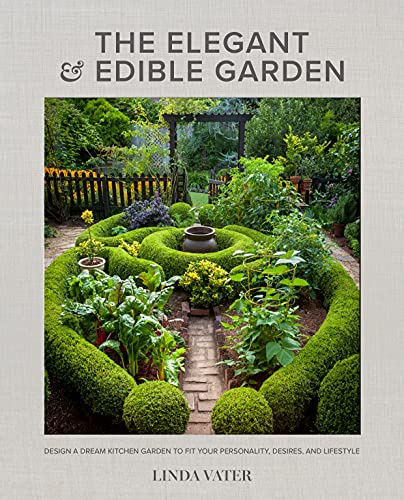
Symmetrical beds divided by paths create a classic, structured look. Ideal for larger yards where you want a focal point. The formality works beautifully with culinary herbs arranged in repeating patterns.
Mid-range to premium materialsKitchen Door Herb Garden
Practical and convenient — place your most-used herbs within easy reach of the kitchen door. This design prioritizes harvest frequency over formality, keeping parsley, basil, and chives close at hand.
Budget-friendlyRaised Bed Herb Garden
Raised beds improve drainage and reduce back strain, making them ideal for DIY garden beds and gardeners who want better control over soil quality. Perfect for mixed herb and vegetable plantings.
Mid-rangeContainer & Patio Herb Garden
Containers let you grow herbs on patios, decks, and balconies. Use modern fiberstone planters for a polished look, and cluster pots at different heights to maximize space.
Affordable to mid-pricedVertical Herb Wall
Vertical planters and wall-mounted pockets transform bare walls into productive growing space. Excellent for small yards and renters who cannot dig permanent beds.
Budget-friendlyCottage-Style Herb Border
Informal, loose plantings along a path or fence create a romantic cottage feel. Combine herbs with flowers like butterfly plants to attract pollinators while keeping the garden productive.
Entry-levelChoosing the Right Layout for Your Space
Once you have selected a design style, the next step is mapping out your layout. Layout determines how easily you can reach plants, how much sunlight each herb receives, and how efficiently you use available space. Consider these proven layout patterns as starting points.
- Grid Layout Divide the bed into equal squares and plant one herb type per square. This makes rotation, harvesting, and maintenance simple and is especially effective in raised beds.
- Spiral Layout A spiral mound lets you place sun-loving Mediterranean herbs at the top and moisture-loving herbs at the base. Dramatic and space-efficient for small gardens.
- Border Layout Line a path or patio edge with low-growing herbs like thyme and oregano. This softens hardscaping and makes harvesting effortless as you walk by.
- Island Layout A freestanding island bed works well in open lawns. Plant taller herbs at the center and lower growers around the edges for a layered, viewable design.
- Pot Cluster Layout Group containers of varying heights and sizes on a patio. This approach allows you to move plants to follow the sun and overwinter tender herbs indoors.
- Wall Pocket Layout Mount fabric or plastic pockets on a sunny wall and plant trailing herbs like creeping thyme. Great for narrow spaces and urban balconies.
Selecting Herbs for Your Design
Herb selection should be guided by your cooking style, local climate, and the light conditions of your chosen spot. Grouping herbs by their water and sunlight needs prevents one group from suffering at the expense of another. The table below organizes popular culinary herbs by their growing preferences so you can plan compatible plantings.
| Herb | Sunlight | Water Needs | Best Placement |
|---|---|---|---|
| Rosemary | Full sun | Low | Raised bed edges or large containers |
| Thyme | Full sun | Low | Borders, rock gardens, crevices |
| Oregano | Full sun | Low to moderate | Spilling over walls or bed edges |
| Sage | Full sun | Low to moderate | Mid-bed or large container |
| Basil | Full sun | Moderate to high | Kitchen door containers or warm beds |
| Parsley | Full sun to partial shade | Moderate | Mid-bed or large pot |
| Cilantro | Partial shade | Moderate | Shaded bed edges or containers |
| Mint | Partial shade to full sun | High | Containers only — spreads aggressively |
| Chives | Full sun to partial shade | Moderate | Border clumps or pot clusters |
| Lavender | Full sun | Low | Sunny borders and gravel beds |
If you are new to herb gardening, start with a small selection of versatile herbs — basil, parsley, chives, and mint cover a wide range of culinary uses. As your confidence grows, expand into more specialized herbs. For those interested in exploring the broader world of edible plants, our guide on culinary herbs offers deeper insight into flavor pairings and growing techniques. And if you are considering growing lavender specifically, learn how hard it is to grow lavender from seed before committing to a large planting.
Planters, Containers, and Structural Elements
The containers and structures you choose shape both the look and the function of your herb garden. The right planter balances drainage, durability, and visual appeal. Consider these tier-based options as you plan your setup.
Terracotta & Plastic Pots
Classic terracotta breathes well and suits Mediterranean herbs. Modern plastic pots are lightweight and budget-friendly, ideal for starting a first herb collection.
Glazed Ceramic & Fiberstone
Glazed ceramic planters retain moisture better than terracotta, while fiberstone planters offer a premium look with lightweight construction.
Raised Bed Kits & Wood Structures
Sturdy raised beds made from cedar or composite materials provide long-term durability and improve drainage, making them a worthwhile investment for serious herb gardeners.
Custom Built-In Planters
Built-in masonry or custom carpentry planters integrate the herb garden into your landscape architecture, creating a permanent and elegant growing area.
Beyond planters, consider supporting structures. A simple trellis or garden structure can support climbing herbs and add vertical interest. If you plan to grow herbs alongside vegetables, raised garden bed ideas can help you design a layout that serves both purposes. For gardeners managing larger landscapes, driveway landscaping principles can inform how you edge and frame your herb beds for a polished look.
Herb Garden Care: Watering, Soil, and Maintenance
Design is only half the story — consistent care keeps your herb garden productive and attractive. Herbs are generally low-maintenance, but a few habits make a significant difference in plant health and harvest quality.
- Water deeply, not frequently. Allow the top inch of soil to dry between waterings. Overwatering is a more common cause of herb decline than underwatering, especially for Mediterranean varieties.
- Prioritize drainage. Amend heavy soil with grit or compost, and always ensure containers have drainage holes. Herbs like rosemary and thyme rot quickly in waterlogged soil.
- Harvest regularly. Frequent picking encourages bushy growth and prevents herbs from bolting. Snip from the top and never remove more than one-third of a plant at a time.
- Refresh mulch each season. A light layer of organic mulch conserves moisture, suppresses weeds, and moderates soil temperature. Keep mulch slightly away from stems to prevent rot.
- Divide perennials. Every few years, divide clumping herbs like chives and oregano to rejuvenate growth and expand your garden.
- Prune woody herbs after flowering. Rosemary, sage, and lavender benefit from a light trim after blooming to maintain shape and encourage fresh growth.
- Feed sparingly. Too much fertilizer produces leafy growth at the expense of flavor. A light application of compost in spring is usually sufficient.
For container-grown herbs, water retention becomes more critical. Learn how to look after a lavender plant in a pot as a model for managing potted Mediterranean herbs. If you are expanding into vegetable gardening alongside your herbs, guides on growing carrots and DIY garden beds can help you coordinate plantings and share resources.
Designing for Pollinators and Wildlife
An herb garden is also a wildlife garden. Many culinary herbs produce flowers that attract pollinators, adding ecological value to your design. Allowing herbs like basil, thyme, and oregano to flower at the end of the season supports bees and beneficial insects. Consider incorporating butterfly plants and hanging plants that attract hummingbirds and butterflies into your layout for a garden that is both productive and alive. A nearby bird bath can complete the habitat, and choosing the best solar bird bath fountain with battery backup ensures a reliable water source even on cloudy days.
Seasonal Herb Garden Checklist
Herb gardens evolve through the year. A simple seasonal rhythm keeps your design looking its best and your harvests steady.
- Spring: Refresh soil with compost, divide perennials, and sow annual herbs like basil and cilantro once the danger of frost has passed.
- Summer: Water consistently, harvest frequently, and pinch off flower buds on leafy herbs to prolong leaf production. Provide afternoon shade for tender herbs in hot climates.
- Fall: Plant cool-season herbs like parsley and cilantro, harvest and dry surplus, and take cuttings of tender herbs to overwinter indoors.
- Winter: Protect perennial herbs with mulch, move containers to sheltered spots, and plan next season's layout changes while the garden rests.