DIY Garden Beds: Build Your Own Raised Bed Garden
Building your own garden beds is one of the smartest investments a home grower can make. Raised beds improve drainage, extend your growing season, and turn compacted yard soil into a productive vegetable patch. This guide walks you through planning, materials, construction, and soil so you can build a DIY garden bed you will use for years.
Start Building Your Garden BedsWhy Build DIY Garden Beds?
Raised garden beds solve problems that frustrate in-ground gardeners: poor soil, drainage issues, weeds, and back strain. When you build your own bed, you control the soil mix from the start, which is especially helpful if your yard has heavy clay, sandy patches, or contamination concerns. A raised bed also warms faster in spring, letting you plant earlier and harvest later.
Building your own beds is typically more economical than buying prefabricated kits, and you can size each bed to fit your space precisely. Whether you have a small patio, a sloped yard, or a generous backyard plot, there is a raised garden bed design that fits. DIY builds also let you choose food-safe materials and customize depth for the crops you love most.
Another practical advantage is ergonomics. Beds built 18 to 24 inches tall reduce bending, which matters for anyone with back or knee concerns. Paired with a comfortable kneeling pad, such as those found in our garden kneelers guide, a well-planned bed turns daily garden chores into a pleasant routine rather than a physical strain.
Types of DIY Garden Beds
Before you pick up a saw, decide which style of bed matches your goals, budget tier, and available space. Most home builds fall into four categories.
1. Classic Wooden Raised Beds
Wood is the most popular material for DIY garden beds because it is easy to cut, forgiving to work with, and visually blends into any landscape. Simple four-board boxes with corner posts form the backbone of most beginner projects. These range from entry-level builds using basic lumber to premium designs with cedar and decorative trim.
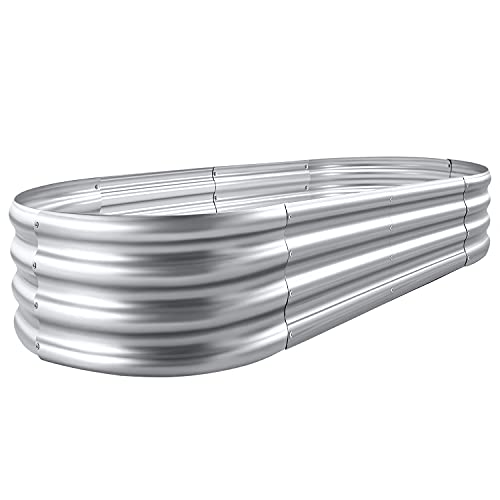
2. Corrugated Metal Beds
Metal beds with wood or steel frames have gained popularity for their modern look and excellent durability. They heat up faster in spring, which helps warm-season crops but can stress cool-season plants in hot climates. Mid-range metal kits are increasingly common, though building your own frame and panels can cost less while giving you full control over dimensions.
3. Concrete Block and Stone Beds
Permanent beds built from concrete block or stacked stone are heavy-duty options for long-term gardens. They retain moisture well and resist rot indefinitely, but they require more effort to install and are difficult to move. These are best for dedicated vegetable plots where you plan to stay put.
4. Container and Tiered Beds
Small-space gardeners often build tiered or container-style beds to maximize vertical space. A three-tier bed on a patio can grow herbs, lettuce, and strawberries simultaneously. These builds are typically budget-friendly and require fewer materials, making them excellent starter projects.
| Bed Type | Best For | Durability Tier | Skill Level |
|---|---|---|---|
| Wooden raised bed | Vegetables, flowers, beginner builds | Entry-level to premium (depends on wood) | Beginner-friendly |
| Corrugated metal | Modern landscapes, warm-season crops | Mid-range to high-end | Intermediate |
| Concrete block | Permanent vegetable gardens | Top-tier durability | Intermediate to advanced |
| Tiered / container | Patios, small yards, herbs | Budget-friendly to mid-tier | Beginner-friendly |
Planning and Sizing Your DIY Garden Beds
Good planning prevents wasted lumber and awkward layouts. The two most important dimensions are width and depth. A bed width of 4 feet is ideal because most gardeners can reach the center from either side without stepping into the soil. If your bed sits against a wall or fence, limit the width to 2 feet so you can reach the back row comfortably.
Recommended Bed Dimensions
- Standard vegetable bed: 4 ft wide × 8 ft long × 10–12 in deep
- Salad and herb bed: 3 ft wide × 6 ft long × 6–8 in deep
- Root vegetable bed: 4 ft wide × 8 ft long × 12–18 in deep
- Accessible / ergonomic bed: 3 ft wide × 6 ft long × 18–24 in tall
Placement Considerations
Most vegetables need six to eight hours of direct sun, so orient your beds toward the south if possible. Leave 2 to 3 feet of walking space between beds for wheelbarrows and easy harvesting. Avoid low spots where water pools, or build the bed up higher to compensate. If drainage is a persistent problem, explore broader drainage solutions before building.
Choosing the Best Materials for DIY Garden Beds
Material choice affects cost tier, lifespan, and food safety. Here is a breakdown of the most common options.
Wood Options
- Cedar: Premium tier; naturally rot-resistant and lightweight. Ideal for edible gardens.
- Redwood: Premium tier; similar rot resistance to cedar with a rich color.
- Pine and fir: Budget-friendly tier; lasts several years, especially when lined or sealed.
- Pressure-treated lumber: Mid-range tier; modern formulations are generally safe, but many growers prefer untreated wood for edibles as a precaution.
Hardware and Fasteners
Use exterior-grade screws or galvanized nails to prevent rust. Corner brackets or interior corner posts add rigidity and extend the bed's life. For taller beds, reinforce the sides with mid-span braces to prevent bowing under soil pressure.
Liners and Weed Barriers
A layer of cardboard at the bottom suppresses weeds and decomposes over time. Landscape fabric works too but should be water-permeable. Avoid solid plastic sheeting because it traps water and can cause waterlogged soil. If you plan to grow moisture-loving crops, pair your bed with a reliable drip irrigation system so watering stays consistent.
Step-by-Step Build Instructions for a DIY Garden Bed
This walkthrough covers a standard 4 ft × 8 ft × 12 in wooden raised bed, the most common DIY project. Adjust dimensions as needed, but keep the 4-foot width for reachability.
Tools and Materials
- Four 2×10 or 2×12 boards, 8 ft long (cut two in half for the ends)
- Four corner posts (4×4, 18–24 in tall)
- Exterior wood screws (2.5–3 in)
- Drill, circular saw, measuring tape, level, and safety glasses
- Cardboard or landscape fabric for the base
Step 1: Prepare the Site
Mark the bed outline with stakes and string. Remove grass and weeds from the footprint. Level the ground as much as possible; a slightly uneven site is manageable, but major slopes require digging in or stepping the bed.
Step 2: Cut and Assemble the Frame
Cut two boards to 8 feet for the long sides and four boards to 4 feet for the short ends. Attach the short ends to the long sides using corner posts as internal supports. Pre-drill holes to avoid splitting, then drive exterior screws through the long sides into the posts.
Step 3: Add a Second Tier (Optional)
For a 20-inch bed, stack a second course of boards on top of the first. Offset the seams so the joints do not align, which adds strength. Screw the second course into the same corner posts.
Step 4: Level and Brace
Check the frame with a level on both directions. For beds longer than 8 feet, add a center brace across the middle to prevent bowing. Tap the posts into the ground slightly for stability.
Step 5: Line the Base
Lay overlapping cardboard over the bottom to smother grass and weeds. Wet the cardboard thoroughly, then fill the bed with soil. The cardboard will break down within a few months and improve organic matter.
Step 6: Fill and Settle
Fill with a blend of topsoil and compost. Water thoroughly to settle the soil, then top off as needed. Let the bed rest for a few days before planting to allow the soil to stabilize.
Filling Your Beds with the Right Soil
Soil is where most DIY garden beds succeed or fail. A good raised bed mix is roughly 60 percent topsoil, 30 percent compost, and 10 percent perlite or coarse sand for drainage. Avoid filling beds entirely with compost, which can become too rich and hold excess moisture.
Soil Volume Calculation
Multiply length × width × depth in feet to get cubic feet. A 4 × 8 bed at 1 foot deep needs about 32 cubic feet of soil. For larger projects, buying in bulk is typically more economical than bagged soil. Check local suppliers or garden centers for delivery options.
Improving Soil Over Time
Top-dress with compost each season and consider cover cropping during off months. A simple compost bin nearby makes it easy to recycle kitchen scraps and garden trimmings. Our compost bins guide and compost tumblers guide can help you choose a system that fits your space.
Testing your soil periodically is also smart, especially if you grow edibles. Many garden centers offer testing services, or you can use a home kit. Keep pH in the 6.0 to 7.0 range for most vegetables, adjusting with lime or sulfur as needed.
Planting, Irrigation, and Crop Support
Once the bed is built and filled, the fun begins. Raised beds are ideal for intensive planting, but a few structural additions make them even more productive.
Irrigation Setup
Hand watering works for small plots, but consistent moisture is easier with drip irrigation or soaker hoses. A gravity-fed drip irrigation system is a practical choice for raised beds, especially when paired with a rain barrel. If you prefer overhead watering, choose a garden sprinkler with adjustable patterns to avoid overspray.
Vertical Support for Tomatoes and Vining Crops
Tomatoes, cucumbers, and peas all benefit from vertical support. Learn how to support tomatoes in a raised bed with cages, stakes, or a trellis system. Trellises also help vining crops stay off the soil, reducing disease pressure.
Companion Planting and Layout
Mix fast-growing crops with slower ones to maximize space. Lettuce and radishes can be harvested before tomatoes fill in. Herbs like basil and parsley make excellent bed edges. If you are new to vegetable gardening, our beginner-friendly guides on growing carrots and culinary herbs are useful starting points.
Long-Term Maintenance and Repair
A well-built DIY garden bed can serve for a decade or more with minimal upkeep. Wooden beds benefit from an annual inspection in early spring. Tighten loose screws, replace cracked boards, and top off soil after settling.
Seasonal Checklist
- Spring: Repair boards, add compost, check irrigation lines for leaks
- Summer: Mulch to retain moisture, monitor for pests, harvest regularly
- Fall: Remove spent plants, plant cover crops, clean tools
- Winter: Protect bare soil with mulch or a cover crop, store hoses indoors
Extending Bed Lifespan
Sealing wooden beds with a food-safe finish every few years slows rot. Keeping the bed free of standing water is equally important. If your bed sits in a low spot, consider raising it on blocks or improving site drainage with solutions from our drainage guide. Metal beds need occasional inspection for rust, and concrete beds need little more than a seasonal cleaning.
Frequently Asked Questions About DIY Garden Beds
What is the best wood for DIY garden beds?
Cedar and redwood are premium choices because they resist rot naturally. For budget-friendly options, pine or fir works well when lined or treated properly. Avoid pressure-treated wood if you plan to grow edibles, unless it is rated safe for food gardens.
How deep should a raised garden bed be?
Most vegetables need 10 to 12 inches of soil depth, while shallow-rooted crops like lettuce and herbs do fine with 6 to 8 inches. Root vegetables such as carrots prefer 12 to 18 inches for proper development.
Do I need to line the bottom of a DIY garden bed?
Lining the bottom with cardboard or landscape fabric helps suppress weeds and prevents soil from washing out while still allowing drainage. Avoid plastic sheeting, which traps water and can cause root rot.
How long do DIY wooden garden beds last?
Untreated pine may last 3 to 5 years, while cedar or redwood beds can last 10 to 15 years or more. Proper drainage, a protective liner, and occasional sealing extend the lifespan of any wooden bed.
Can I build a garden bed on concrete or a patio?
Yes. Use a bottomless bed with a layer of landscape fabric or a solid-bottom container bed with drainage holes. Place it where water can drain away from the building, and choose a depth that suits your crops. Container beds on patios are popular for herbs and salad greens.
How many garden beds do I need?
For a family of four, three to four 4 × 8 beds provide a solid start for a variety of vegetables. Start small, learn your site's sun and water patterns, and expand once you are comfortable with the maintenance routine.
Build Once, Harvest for Years
A DIY garden bed is one of the most rewarding projects a home gardener can take on. You control the soil, the dimensions, and the layout, which means fewer surprises and better harvests. Start with a single 4 × 8 bed, learn from your first season, and expand as your confidence grows. With the right materials and a little planning, your garden beds will become the productive heart of your outdoor space.
Whether you are growing salad greens, tomatoes, or a mix of herbs and flowers, the principles in this guide apply. Pair your new beds with the right tools and irrigation, and you will spend more time enjoying the garden and less time fixing problems. Happy building and happy growing.