
Chainsaws: The Complete Buying Guide for Gardeners & Homeowners
Cut through the confusion. Learn how to choose the right chainsaw for pruning, firewood, and tree work — with expert reviews of gas, electric, and battery-powered models.
EXPLORE CHAINSAW TYPESWhy a chainsaw belongs in your garden toolkit: A chainsaw is one of the most versatile power tools a homeowner can own. It transforms storm cleanup, tree pruning, firewood processing, and landscape maintenance from backbreaking chores into manageable tasks. But with hundreds of models on the market, choosing the right one requires understanding your needs, the types available, and the safety practices that keep you protected.
Understanding Chainsaws Before You Buy
A chainsaw is a motorized saw with a set of teeth attached to a rotating chain that runs along a guide bar. The cutting action is fast and aggressive, which makes chainsaws incredibly efficient for cutting wood — but also demands respect and proper training. Before comparing models, it helps to understand what you'll be cutting, how often, and where.
Homeowners typically use chainsaws for three main purposes: pruning and trimming trees and shrubs, cutting firewood and storm debris, and light land clearing. Professional users tackle larger trees, prolonged cutting sessions, and demanding conditions. Your intended use determines which power source and bar length make sense. For garden maintenance tasks that accompany gardening tools, a lighter, quieter model is often the smarter investment.
It's also worth noting that a chainsaw complements rather than replaces other garden cutting tools. Hedge trimmers shape shrubs and hedges, while pruning shears handle small branches. A chainsaw takes over where those tools reach their limits — thick limbs, fallen trees, and firewood logs.
Types of Chainsaws: Gas, Electric, and Battery
Gas Chainsaws
Gas chainsaws are the traditional choice for heavy-duty cutting. They deliver high power, run on a fuel-oil mix, and are not tethered to a power outlet or battery. This makes them suitable for remote work and prolonged sessions. However, they are heavier, noisier, and require regular engine maintenance — air filters, spark plugs, and carburetor adjustments. Gas models sit in the mid-range to premium tiers depending on displacement and build quality, and they are best reserved for users who cut frequently or tackle large trees.
Electric Chainsaws
Electric chainsaws plug into a standard outlet and offer instant starting, low noise, and zero exhaust emissions. They are lightweight, easy to maintain, and budget-friendly to mid-priced, making them excellent entry-level options for suburban homeowners. The main limitation is the cord, which restricts range and requires care to avoid cutting. For garden work near the house or in a workshop, an electric chainsaw is a practical, low-hassle choice.
Battery-Powered Chainsaws
Battery chainsaws have improved dramatically and now rival gas models for many tasks. They start instantly, run quietly, produce no fumes, and require minimal maintenance. Mid-range and premium battery platforms offer interchangeable batteries across tools, which is a major advantage if you already own other cordless equipment. Run time varies by battery capacity and cutting load, so owning spare batteries is common. For most home gardeners, a battery chainsaw is the sweet spot of convenience and capability. If you're comparing power sources across tool categories, our cordless vs gas tool comparison breaks down the trade-offs.
Key Features That Matter When Choosing a Chainsaw
- Bar length: The guide bar determines the maximum cutting diameter. A 14–16 inch bar suits pruning and small trees; 16–18 inches handles firewood and medium trees; 20 inches and above are for large trees and professional use. Match the bar to your typical task rather than the biggest job you might face.
- Engine or motor power: Gas power is measured in cubic centimeters (cc), electric in amps, and battery in volts. Higher numbers indicate more cutting capability, but weight and balance matter just as much for control and fatigue.
- Weight and balance: Lighter saws reduce fatigue during overhead pruning and extended use. A well-balanced saw feels secure and improves accuracy.
- Chain brake: An essential safety feature that stops the chain instantly in kickback situations. Every modern chainsaw should have one — never buy a saw without it.
- Anti-vibration system: Reduces hand fatigue and long-term health risks from prolonged vibration exposure.
- Tool-less chain tensioning: Makes adjusting the chain quick and easy, encouraging proper maintenance.
- Automatic oiler: Lubricates the chain and bar continuously during operation, extending component life.
- Battery platform compatibility: For battery models, choosing a brand you already own batteries for saves money and simplifies storage. Our brand comparisons can help you evaluate ecosystem value.
Chainsaw Tiers: Entry-Level, Mid-Range, and Premium
Rather than shopping by price alone, think in terms of tiers. Each tier reflects a different balance of performance, durability, and features — and the right choice depends on how often you'll use the saw and what you'll cut.
Entry-level chainsaws are budget-friendly electric or small battery models designed for occasional pruning and light yard cleanup. They are lightweight and simple to operate but may lack advanced anti-vibration systems and premium build materials. They suit homeowners who cut a few times per season.
Mid-range chainsaws include capable battery models and small gas saws with better power, improved ergonomics, and more durable components. This tier suits regular users who cut firewood, maintain trees, and want reliable performance without professional-grade complexity. If you're outfitting your garden with budget-friendly tools alongside a serious saw, mid-range is often where the best value sits.
Premium chainsaws are high-end gas and battery models built for frequent, demanding use. They feature professional-grade engines or motors, superior anti-vibration, magnesium or reinforced components, and advanced safety systems. These are appropriate for users who cut regularly, process large volumes of firewood, or manage woodland property.
Chainsaw Safety: Non-Negotiable Practices
Chainsaws are among the most dangerous tools in a garden shed, and most injuries are preventable with proper gear and technique. Before starting any saw, read the manual, understand kickback, and never operate when tired or rushed.
- Wear the right protective gear: Chainsaw chaps or protective pants, a forestry helmet with face shield and ear muffs, cut-resistant gloves, and sturdy non-slip boots. Add safety glasses under the face shield for extra eye protection.
- Understand kickback: Kickback occurs when the tip of the bar contacts an object and the saw kicks back toward the operator. Always hold the saw firmly with both hands, keep the chain brake functional, and avoid cutting with the bar tip.
- Maintain the saw: A sharp, properly tensioned chain and a clean air filter reduce risk and improve performance. A dull chain invites dangerous pushing and slipping.
- Plan your cut: Clear the work area, identify escape routes, and never cut overhead without proper training and equipment. For limbing and pruning, consider whether a pole saw or loppers are safer alternatives for the task.
- Store and transport safely: Use a bar cover, drain fuel for long storage, and keep the saw out of reach of children. Proper tool storage protects both the equipment and your household.
Chainsaw Maintenance: Keeping Your Saw Cutting Like New
Regular maintenance is the difference between a chainsaw that lasts for years and one that frustrates you within a season. The essentials are simple: sharpen the chain, check tension before each use, keep the oiler working, and clean the saw after every session.
For gas saws, change the spark plug and air filter periodically, use fresh fuel-oil mix, and run the engine dry before long storage. Battery and electric saws need less engine care but still require chain sharpening, bar maintenance, and clean cooling vents. Learning to sharpen a chain yourself is a valuable skill — a file guide and a few minutes of practice will keep your saw efficient and safe. You can pair this maintenance routine with the care practices in our clean and sharpen tools guide.
Frequently Asked Questions About Chainsaws
What type of chainsaw is best for home gardening?
For most home gardeners, a battery-powered or electric chainsaw is the best choice. They are lighter, quieter, require less maintenance than gas models, and are ideal for pruning branches, cutting firewood, and light tree work. Gas chainsaws are better suited for heavy-duty, prolonged use in remote areas without power access.
What size chainsaw bar do I need for garden work?
For typical garden tasks like pruning and cutting small to medium branches, a bar length of 14 to 16 inches is sufficient. A 16 to 18-inch bar handles medium trees and firewood, while bars over 20 inches are intended for large trees and professional forestry work.
How often should I sharpen my chainsaw chain?
Sharpen the chain after every few hours of use, or whenever you notice the saw cutting slower, producing fine dust instead of wood chips, or pulling to one side. Regular sharpening maintains cutting efficiency, reduces wear on the bar and engine, and improves safety.
Is a battery chainsaw powerful enough for cutting firewood?
Yes, modern battery chainsaws from reputable brands deliver enough power for cutting firewood and felling small to medium trees. Mid-range and premium battery models offer performance comparable to gas saws for occasional and moderate use, with the added benefits of quieter operation and no exhaust fumes.
What safety gear should I wear when using a chainsaw?
Always wear chainsaw chaps or protective pants, a forestry helmet with face shield and ear protection, cut-resistant gloves, and sturdy non-slip boots. Safety glasses under the face shield add extra eye protection. Never operate a chainsaw without proper protective equipment.
Final Thoughts: Choosing Your Chainsaw With Confidence
The right chainsaw is the one that matches your actual cutting needs, feels balanced in your hands, and includes the safety features that protect you every time you pull the trigger. Start with an honest assessment of what you cut and how often. If you prune a few branches each season, a lightweight electric or entry-level battery saw will serve you well. If you process firewood regularly or manage large trees, invest in a mid-range or premium model with better power and durability.
Whichever type you choose, pair it with proper protective gear, a maintenance routine, and a healthy respect for the tool. Browse the recommended models below to compare options across tiers, and make your purchase through a trusted retailer. A well-chosen chainsaw becomes one of the most useful investments in your garden equipment lineup — ready for storm cleanup, firewood season, and years of reliable cutting.
Recommended Chainsaws for Gardeners
⚠️ AFFILIATE DISCLOSURE: This website contains affiliate links. As an Amazon Associate, we earn from qualifying purchases. If you make a purchase through these links, we may receive a small commission at no additional cost to you. Read our full affiliate policy.
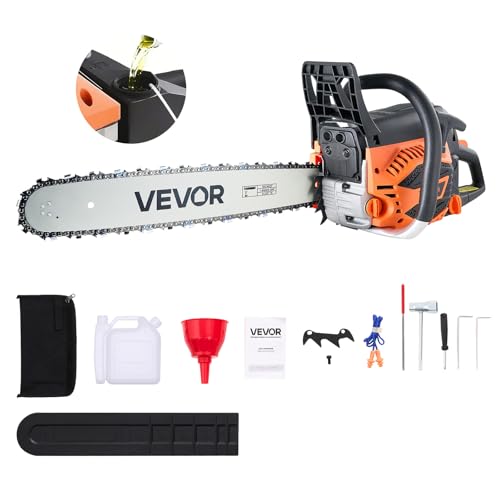
VEVOR 20inch 62CC Gas Powered Chainsaw, 3.8 HP 2 Stroke Engine Gas Power Chainsaws with Non-Slip Handle, Gas Chainsaws with Dual Fuel Tanks, For Wood Cutting, Tree Trimming, and Land Clearing
Check price on Amazon
Seesii Mini Chainsaw, 6-inch Mini Chainsaw Cordless, Handheld Electric Power Chain Saw with 2 Batteries, for Tree Trimming Wood Cutting, Best Gifts for Father, Dad, Husband, Men
Check price on Amazon
Husqvarna 120 Mark III Gas Chainsaw, Garden Tools, 16 Inch, Gifts for Men | 16-inch gas chain saw with automatic oiler for wood cutting and tree pruning, 38-cc, 2-cycle X-Torq engine, 970739616
Check price on Amazon
IVOVI 63CC Gas Chainsaw with 20-Inch and 18-Inch Bars, Silver | 3.7HP 2-Cycle Engine, 8500 RPM, 85 ft/s, 14 lb, Auto Oiler, 2 Chains, Tool Kit, Tree Felling, Firewood, Storm Cleanup
Check price on Amazon
CRAFTSMAN Electric Chainsaw, 16 Inch, 12 Amp Corded Chain Saw Electric, Ergonomic, Powerful Motor (CMECS600)
Check price on Amazon
VEVOR Gas Powered Chainsaw 25.4CC 2-Cycle 12 Inch 1.2HP Cordless Chain Saw | For Tree Wood Branch Cutting, Petrol Handheld Top Handle, Tree Trimming, Land Clearing, Farm Garden Ranch Forest Cutting Use
Check price on Amazon
62cc 20 & 24 Inch Gas Chainsaw for Tree Cutting, Firewood, Logging | 2-Cycle Engine & Anti-Vibration System, Quick Start Technology
Check price on Amazon
Husqvarna 130 Gas Powered Chainsaw, 16 Inch | Chain saw for homeowners featuring 38-cc 2-HP X-Torq, Automatic Oiler, yard maintenance and pruning chainsaw, Model 130
Check price on AmazonDisclaimer
Let Gardening provides educational content only. Not a substitute for professional horticulturist or landscape architect services. Always consult a qualified professional for major landscaping or agricultural work. Some content may use AI. We are not responsible for plant damage, injuries, or outcomes. By using this site, you accept these terms. If you do not agree, please leave this website and discontinue its use. Read full disclaimer.