Leaf Blowers & Vacs: The Complete Guide to Cleaner, Faster Yard Work
Stop raking for hours. A well-chosen leaf blower or vacuum transforms fall cleanup, driveway sweeping, and gutter clearing into a quick, satisfying task. This guide breaks down airflow specs, power sources, vacuum capability, and noise considerations so you can buy with confidence.
SEE TOP PICKS →Why this guide matters: Leaf blowers and vacuums are among the most misunderstood garden tools. Buyers often focus on one spec — usually MPH — while ignoring the balance of airflow (CFM), weight, battery runtime, and vacuum/mulch capability. The result is a tool that either can't handle wet leaves or leaves you exhausted after ten minutes. Below, we explain exactly what to look for so your next purchase is the right one.
Blower vs. Vacuum vs. Blower-Vac Combo: What Do You Actually Need?
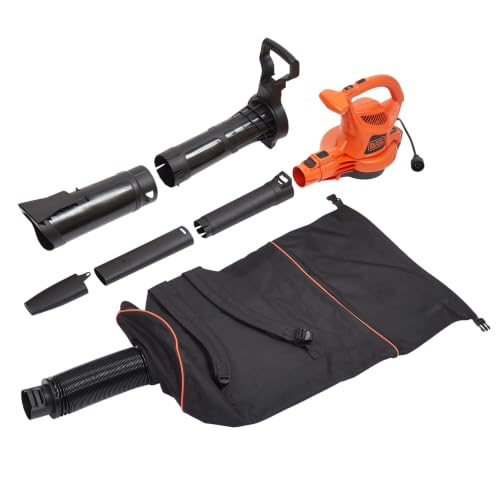
Before comparing specs, clarify the job. A dedicated leaf blower moves debris with high-velocity air — ideal for driveways, patios, lawns, and gutters. A dedicated leaf vacuum sucks leaves into a bag, which is useful for tight spaces or when you want to collect debris rather than pile it. A blower-vac combo (sometimes called 3-in-1 with mulching) switches between modes and shreds leaves at a high ratio, reducing volume for composting or yard waste bags.
For most homeowners, a combo unit offers the best value: you blow debris into a pile, then vacuum and mulch it in one pass. If your property is mostly hardscape and open lawn, a blower-only model is lighter and often more powerful for the same tier. If you deal with heavy wet leaves in beds, prioritize vacuum capability and mulching ratio.
The Three Power Sources — and Their Real-World Trade-offs
Corded Electric
Lightweight, low-maintenance, and consistent power. Limited by cord length, but ideal for small to mid-sized yards, patios, and garages. Typically the most budget-friendly entry into serious blowing power.
Cordless Battery
Freedom from cords with modern brushless motors delivering strong performance. Runtime depends on battery platform; extra batteries extend sessions. Excellent for mid-sized yards and quick cleanups. Premium tiers rival gas power.
Gas-Powered
Highest sustained airflow for very large properties and heavy, wet debris. Requires fuel mixing (2-stroke) or straight gas (4-stroke), plus regular maintenance. Heavier and louder; check local noise ordinances before buying.
Cordless technology has advanced dramatically. A lightweight cordless leaf blower with battery and charger now handles most suburban yards comfortably and eliminates the tripping hazard of extension cords. If you already own a battery platform from a major tool brand, staying within that ecosystem is often the smartest choice.
CFM vs. MPH: The Specs That Actually Matter
Manufacturers love to print big MPH numbers, but airflow volume (CFM) is what moves piles. Think of it this way: CFM is the size of the wave; MPH is how fast it hits. A blower with high CFM and moderate MPH clears a leaf pile efficiently, while a low-CFM, high-MPH unit may blast a narrow stream of air that scatters leaves rather than moving them.
| Spec | What It Measures | Why It Matters | Typical Range by Tier |
|---|---|---|---|
| CFM (cubic feet per minute) | Air volume — how much air moves per minute | Best indicator for moving large piles of leaves | Entry-level: 200–350 · Mid-range: 350–500 · Premium: 500–700+ |
| MPH (miles per hour) | Air speed — how fast the air exits the nozzle | Useful for dislodging stuck debris and cleaning cracks | Entry-level: 90–130 · Mid-range: 130–180 · Premium: 180–250+ |
| Mulching Ratio | How much leaves are shredded in vacuum mode | Reduces leaf volume for bags and compost (10:1 to 16:1 common) | Combo units typically 10:1 up to 16:1 |
| Runtime / Weight | Battery life or fuel capacity; tool weight | Affects comfort during long cleanup sessions | Cordless: 15–60+ min depending on battery; weight 5–12 lbs |
For a balanced perspective on how airflow translates to real yard performance, the leaf blowers and vacs category on this site covers model-level detail beyond the specs. And if your cleanup extends to gutters or tight foundation beds, a blower with a concentrator nozzle is invaluable — the same principle that makes modern outdoor lighting ideas for the front of the house work is all about placement and precision.
Vacuum and Mulching Features Worth Paying For
Vacuum mode is only as good as its bag and impeller design. Look for a collection bag with a wide opening and secure zipper or clip closure — flimsy bags leak dust and reduce suction. A metal impeller resists damage from twigs and acorns far better than plastic, especially on premium tiers. Mulching ratio matters: a 16:1 ratio means sixteen bags of leaves become one bag of shredded material, which is a genuine labor saver for compost piles and yard waste collection.
One caution: vacuum mode is not a substitute for a shop vac. Wet, heavy leaves clog most garden vacuums quickly. Blow wet leaves into a pile and let them dry, or use a rake for saturated debris. If your yard is mostly mossy or damp, read what to do when your lawn is full of moss — a blower alone won't fix underlying drainage and pH issues.
Blower-Vac Combo: Pros
- Two tools in one — blow piles, then vacuum and mulch
- Reduces leaf volume dramatically for disposal or compost
- Great for beds, borders, and tight spaces
- Often includes shoulder strap and concentrator nozzle
Blower-Vac Combo: Cons
- Vacuum mode adds weight and bulk compared to blower-only
- Bags require emptying and cleaning
- Wet leaves clog the impeller — dry debris only
- Suction performance varies widely between tiers
Noise, Safety, and Local Rules
Leaf blowers are loud — often 60–75 dB at the operator's ear, and gas models can exceed that. Hearing protection is non-negotiable, and eye protection matters when blowing dust and debris. Many municipalities restrict gas blower use to certain hours or seasons; check local ordinances before purchasing a gas model. Cordless electric and corded models are generally quieter and face fewer restrictions.
Safety basics: never point the nozzle at people or pets, wear closed-toe shoes, and avoid blowing debris toward storm drains. If you're clearing a neglected yard before a bigger project — say, installing an outdoor metal raised garden bed or prepping for paver installation — clear the area with a blower first to reveal hidden hazards and make layout work easier.
How to Choose the Right Leaf Blower or Vac
Buyer's Checklist
- Yard size: Under ¼ acre suits corded or entry-level cordless; ¼–½ acre favors mid-range cordless; larger properties may justify premium cordless or gas.
- Debris type: Dry leaves and grass clippings are easy for any tier; wet leaves, pine cones, and acorns demand higher CFM and a durable impeller.
- Vacuum needed? If yes, prioritize mulching ratio, bag capacity, and metal impeller construction.
- Weight and ergonomics: Under 8 lbs is comfortable for extended use; look for a shoulder strap on combo units.
- Battery ecosystem: If you already own a compatible battery platform, stay within it to save on cost and clutter.
- Noise restrictions: Check local rules for gas blowers; electric and cordless are usually safer choices.
- Maintenance appetite: Gas requires fuel and tune-ups; electric requires almost none beyond cleaning.
If your landscaping ambitions extend beyond cleanup — new lighting, furniture, or a full patio overhaul — a good blower is the maintenance tool that keeps those investments looking sharp. Keep hardscape clear before outdoor lighting installs and use a blower to clear debris from patio furniture and outdoor rugs between deep cleanings.
Maintenance That Extends Tool Life
Small habits make leaf blowers last years longer. Empty and rinse vacuum bags after heavy use to preserve suction. Clear the air intake of dust and grass clippings. For gas models, use fresh fuel and check the spark plug each season. For cordless units, wipe battery contacts, store batteries at moderate temperature, and avoid leaving them fully discharged. Clean impellers gently — never pry with metal tools that can bend the fan.
Frequently Asked Questions
What is the difference between a leaf blower and a leaf vac?
A leaf blower pushes debris with a high-velocity air stream, while a leaf vac pulls leaves into a collection bag using suction. Many models combine both modes and add mulching, shredding leaves at a high ratio so they take up far less space.
What do CFM and MPH mean on a leaf blower?
CFM (cubic feet per minute) measures air volume — how much air moves. MPH (miles per hour) measures air speed. CFM is the better indicator for moving piles of leaves, while MPH helps dislodge stuck debris. The best units balance both.
Are cordless leaf blowers powerful enough for large yards?
Modern mid-range and premium cordless blowers are powerful enough for most suburban yards. For very large properties or heavy wet debris, gas or top-tier cordless models are more practical. Entry-level cordless suits light touch-ups and small patios.
How do I maintain a leaf blower?
Clean the air intake, replace filters, check spark plugs on gas models, keep battery contacts clean on cordless units, and store in a dry place. Empty and wash vacuum bags regularly to maintain suction strength.
Can I use a leaf vacuum on wet leaves?
Most garden vacuums clog quickly with wet leaves. Blow wet leaves into a pile and let them dry before vacuuming, or rake saturated debris by hand. Vacuum mode works best on dry, loose material.